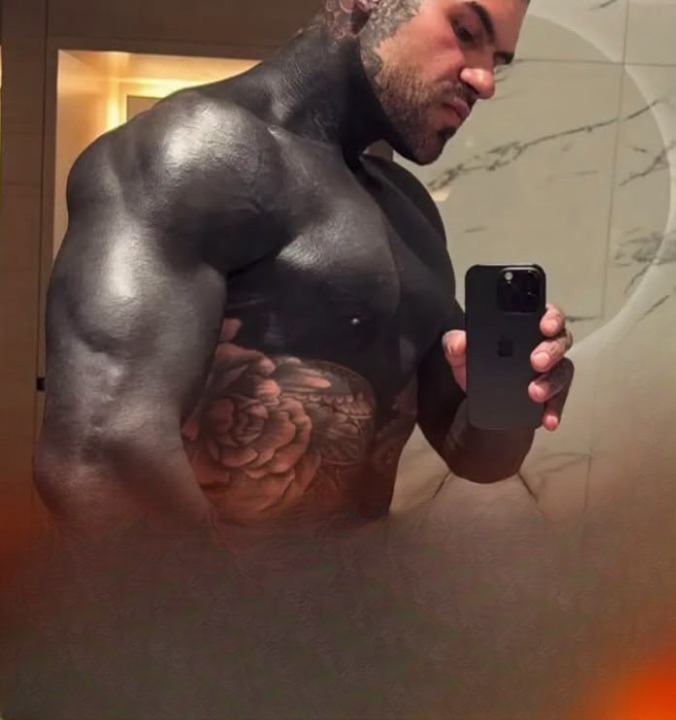
Blackout tattoos have become one of the most striking trends in modern body art, covering large sections of the body with solid black ink to create a bold and dramatic appearance. While the finished look may seem straightforward, people who specialize in this style say the process is far more complex than it appears.
Among those sharing their experiences is Dave Chudley, who has spent years transforming much of his body with blackout tattoos. Looking back on his journey, he says there are several important lessons he wishes he had understood before beginning the process.
Starting the Journey
Chudley began exploring blackout tattoos in 2020, when the style was becoming increasingly popular but was still evolving in terms of techniques and best practices.
At first, he believed the process would be relatively simple—covering existing skin with solid black ink until an even finish was achieved.
However, he soon realized that creating a smooth, consistent blackout tattoo requires far more than simply applying large amounts of ink.
Experienced artists must carefully balance ink saturation, skin health, healing, and technique to produce a clean, long-lasting result.
Learning the Hard Way
One of Chudley’s earliest experiences didn’t go as planned.
According to his account, the blackout work on his forearm healed poorly and failed to achieve the appearance he had hoped for. Instead of trying to work around the problem, he chose to have the tattoo removed and begin the project again.
Although the experience was frustrating, he says it taught him valuable lessons about the importance of selecting the right artist and understanding the demands of blackout tattooing.
Three Lessons He Wishes He Knew
Reflecting on the experience, Chudley says there are three things he wishes someone had told him before he started.
Blackout Tattoos Are More Difficult Than They Look
Many people assume blackout tattoos are easier than detailed artwork because they involve filling large areas with a single color.
In reality, producing an even finish without patchiness or excessive trauma to the skin requires considerable experience and precision.
Every section must heal properly to maintain a consistent appearance.
Choosing the Right Artist Matters
Not every tattoo artist specializes in blackout work.
Chudley now recommends working with artists who have extensive experience in this particular style, as they are more familiar with proper techniques, healing expectations, and skin management during lengthy sessions.
Reviewing portfolios, asking questions, and researching an artist’s previous blackout projects can help clients make informed decisions.
Techniques Continue to Improve
When Chudley first began, blackout tattooing was still developing as a specialized practice.
Since then, advances in equipment, tattooing methods, and aftercare recommendations have helped improve results for many artists and clients.
He believes today’s specialists generally have access to more knowledge and experience than was widely available only a few years ago.
Living With Blackout Tattoos
Despite the dramatic appearance of his tattoos, Chudley says most attention comes through social media rather than everyday interactions.
While his body art often attracts curiosity online, he reports that people he meets in person are generally respectful and simply ask questions about the process.
As blackout tattoos have become more visible, public familiarity with the style has also increased.
Growing Popularity
Large-scale black ink designs have attracted growing interest over recent years.
Some well-known public figures, including Machine Gun Kelly, have helped bring greater attention to bold tattoo styles, inspiring conversations about blackout work and other forms of extensive body art.
As with many tattoo trends, increased visibility has encouraged more people to explore the style while also prompting discussions about its long-term considerations.
Health Considerations
Medical professionals note that blackout tattoos involve a substantial amount of pigment compared to many traditional tattoo designs.
Because of the large area covered, some experts advise that individuals should understand the potential risks before making a decision.
Possible considerations may include:
- Skin irritation or allergic reactions to tattoo pigments.
- Longer healing times due to the extent of the tattooed area.
- Greater difficulty examining skin beneath heavily tattooed regions during certain medical evaluations.
- Potential complications during some imaging procedures, such as MRI scans, although serious problems are considered uncommon.
Anyone considering extensive tattoo work may benefit from discussing questions with both an experienced tattoo professional and, if appropriate, a healthcare provider.
Research Before Making a Decision
Chudley says preparation is one of the most important parts of the process.
He encourages anyone interested in blackout tattoos to spend time researching artists, learning about healing, understanding the commitment involved, and setting realistic expectations.
Unlike smaller tattoos, blackout work often requires multiple sessions, careful aftercare, and patience while the skin recovers.
Taking time to plan can help improve both the experience and the final result.
A Lasting Lesson
Looking back, Chudley views his tattoo journey as more than a cosmetic transformation.
It taught him that successful blackout tattoos require skill, planning, and respect for the craft behind the artwork. While he remains happy with his decision, he believes understanding the challenges beforehand could have saved time and avoided unnecessary setbacks.
For anyone considering blackout tattoos, his advice is simple: research thoroughly, choose an experienced specialist, and recognize that creating a high-quality blackout tattoo is a complex artistic process—not just a matter of covering skin with black ink.