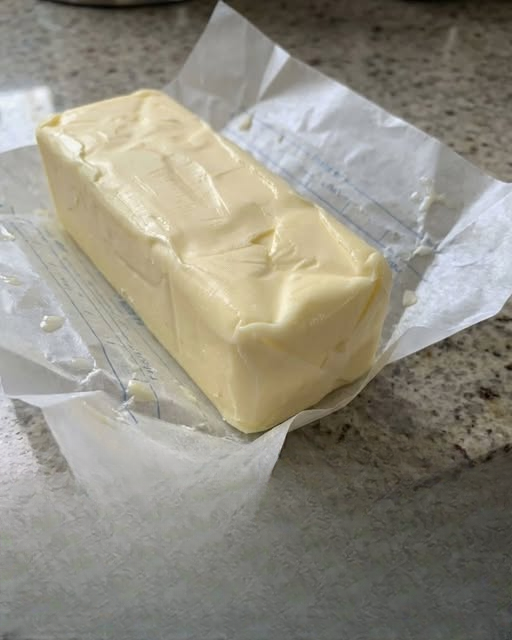
Butter is a kitchen staple found in millions of homes around the world. Whether spread on toast, melted over vegetables, used in baking, or incorporated into family recipes, it remains one of the most versatile ingredients available.
Yet one question continues to spark debate among home cooks and food enthusiasts alike:
Is it safe to leave butter on the kitchen counter instead of storing it in the refrigerator?
If you’ve ever visited someone’s home and noticed a butter dish sitting on the countertop, you may have wondered whether that practice is safe. The answer is a little more nuanced than a simple yes or no.
Under the right conditions, keeping a small amount of butter at room temperature can be both safe and practical. However, factors such as temperature, storage methods, and how quickly the butter will be used all play important roles in determining whether countertop storage is a good option.
Here’s what you need to know about proper butter storage and how to keep it fresh.
Why Butter Is Different from Other Dairy Products
Many people assume that because butter is made from milk, it should always be refrigerated.
However, butter differs significantly from products such as milk, yogurt, cream, and many soft cheeses.
Butter is created by churning cream until the fat separates from the liquid. The final product contains a high percentage of milk fat and a relatively low amount of water compared to other dairy foods.
This lower moisture content makes butter less susceptible to rapid spoilage under normal conditions.
Many microorganisms require moisture to grow and multiply. Since butter contains far less water than milk or cream, it creates a less favorable environment for bacterial growth when handled properly.
This characteristic helps explain why butter was often stored in cool pantries and kitchens long before modern refrigeration became common.
While butter does not last indefinitely at room temperature, its unique composition allows for greater flexibility than many other dairy products.
Benefits of Keeping Butter at Room Temperature
There are several reasons why many households choose to keep a small amount of butter on the counter.
Easier Spreading
One of the biggest advantages is convenience.
Cold butter straight from the refrigerator can be difficult to spread and often tears bread, bagels, muffins, or rolls.
Room-temperature butter becomes soft and creamy, making it much easier to use.
Better for Baking
Many baking recipes specifically call for softened butter.
If you’ve ever had to wait for refrigerated butter to warm up before making cookies or cakes, you know how helpful it can be to have soft butter readily available.
Keeping a small amount on the counter can save time and simplify meal preparation.
Everyday Convenience
For households that use butter frequently, countertop storage can make cooking and dining more efficient.
Instead of waiting for butter to soften, it’s ready whenever you need it.
How Long Can Butter Stay on the Counter?
The answer depends largely on your kitchen environment.
Temperature is the most important factor.
In a relatively cool kitchen, butter can often remain fresh for several days and, in many cases, up to a week.
However, warmer conditions can shorten that timeframe considerably.
Excessive heat may cause butter to soften too much, separate, lose flavor, or become rancid more quickly.
Since every home is different, it’s important to pay attention to your butter’s condition rather than relying solely on a specific number of days.
The Best Ways to Store Butter on the Counter
If you decide to keep butter at room temperature, proper storage can help preserve its quality.
Use a Covered Butter Dish
A covered butter dish is one of the simplest and most effective storage solutions.
The cover helps protect butter from:
- Dust
- Air exposure
- Cooking odors
- Household contaminants
It also keeps the butter clean and ready to use.
Keep Only a Small Portion Out
Rather than storing an entire package on the counter, many people keep only enough butter for several days of use.
The remaining butter stays refrigerated until needed.
This approach reduces waste and helps maintain freshness.
Choose a Cool Location
Where you place your butter matters.
For best results, keep it away from:
- Direct sunlight
- Ovens
- Stovetops
- Heating vents
- Warm windows
A cool, shaded area of the kitchen helps preserve texture and flavor.
What Is a Butter Bell?
A butter bell, also known as a butter crock, is a traditional storage container that has been used for generations.
It consists of two parts:
- A chamber that holds the butter
- A base that contains a small amount of water
When assembled, the water creates an airtight seal that helps limit air exposure while keeping the butter soft and spreadable.
Many people appreciate butter bells because they combine convenience with an attractive design.
Today, they are available in a variety of styles and colors, making them both practical and decorative additions to the kitchen.
Salted vs. Unsalted Butter
If you’re planning to store butter on the counter, salted butter is generally the better choice.
Salt acts as a natural preservative and can help maintain freshness for longer periods.
Unsalted butter can still be kept at room temperature for short durations, but it tends to be more sensitive and should usually be consumed more quickly.
For extended storage, refrigeration remains the safest option regardless of the variety.
Signs Your Butter May No Longer Be Fresh
No matter how you store butter, it’s important to watch for changes that may indicate declining quality.
Unusual Odor
Fresh butter has a mild, pleasant scent.
If it develops a sour, strong, or unpleasant smell, it may be time to discard it.
Discoloration
Some variation in color is normal, but significant darkening or unusual spots may indicate deterioration.
Off Taste
If butter tastes sour, bitter, or otherwise unpleasant, it should not be consumed.
Texture Changes
Excessive oil separation or unusual consistency can suggest that the butter has been exposed to unfavorable conditions.
Why Refrigeration Is Still Important
While room-temperature storage works well for short-term use, refrigeration remains the best choice for preserving butter over longer periods.
Keeping butter refrigerated slows oxidation and helps maintain quality for weeks or even months, depending on storage conditions.
Many households use a simple two-part strategy:
- Keep a small amount on the counter for daily use.
- Store the remainder in the refrigerator.
This method offers both convenience and freshness.
Can You Freeze Butter?
Absolutely.
Butter freezes exceptionally well and is one of the easiest foods to preserve for long periods.
Many shoppers purchase extra butter when it goes on sale and store unopened packages in the freezer.
When properly wrapped, frozen butter can maintain its quality for months.
When needed, simply transfer it to the refrigerator and allow it to thaw gradually.
Common Butter Storage Myths
Myth: Butter Must Always Be Refrigerated
While refrigeration is ideal for long-term storage, a small amount of butter can often remain safely at room temperature when stored properly.
Myth: Butter Spoils Immediately on the Counter
Properly stored butter does not spoil instantly. Environmental conditions and storage practices play major roles in determining freshness.
Myth: Every Kitchen Is the Same
Temperature and humidity vary greatly from one household to another.
A storage method that works well in a cool climate may not be ideal in a warmer environment.
The Bottom Line
Butter remains one of the most useful and beloved ingredients in the kitchen, and understanding how to store it properly can help you enjoy both convenience and quality.
For many households, keeping a small amount of butter on the counter is a practical solution. A covered butter dish, a cool location, and regular attention to freshness can help maintain its flavor and texture.
At the same time, refrigeration remains the best option for long-term storage, while freezing provides an excellent way to preserve extra butter for future use.
Ultimately, the best storage method depends on how often you use butter, the temperature of your kitchen, and your personal preferences. By following a few simple guidelines, you can enjoy soft, spreadable butter whenever you need it while helping ensure it stays fresh and delicious.