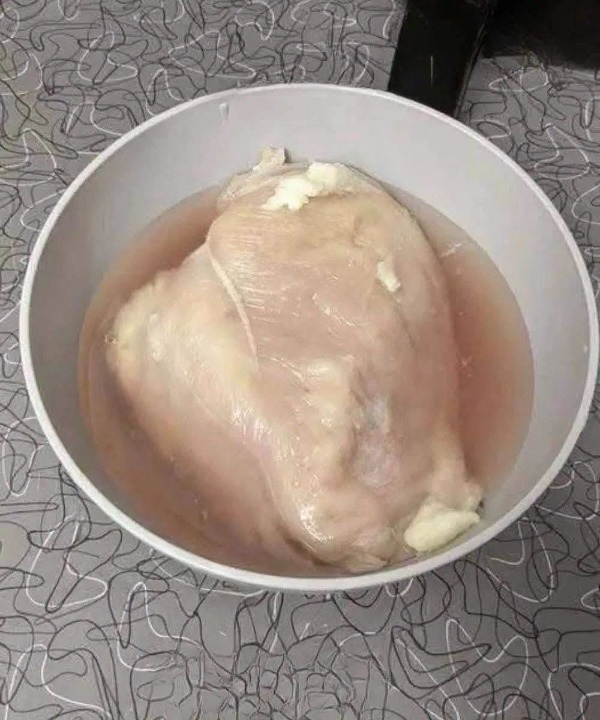
That container of leftover chicken sitting in your fridge can feel like an easy win for tomorrow’s lunch or a quick dinner. It looks fine, smells fine, and it seems wasteful to throw it away. But food safety isn’t always obvious—and chicken is one of the foods where small mistakes in storage can turn into real health risks.
Understanding when leftover chicken is safe to eat isn’t about paranoia; it’s about knowing how bacteria behave, how quickly food can become unsafe, and what simple habits can keep you protected.
The Danger Zone: Why Time and Temperature Matter
Once chicken is cooked, it doesn’t become immune to bacteria. In fact, cooked food can become contaminated again if it’s left out too long.
Food safety experts refer to a temperature range between 40°F and 140°F (4°C to 60°C) as the “danger zone.” In this range, bacteria can multiply extremely quickly. Chicken is especially vulnerable because it is moist, protein-rich, and an ideal environment for microbial growth.
If cooked chicken is left sitting at room temperature, bacteria such as Salmonella, Staphylococcus aureus, or Clostridium perfringens can begin multiplying rapidly. The longer it sits, the greater the risk.
The general rule is simple:
- Do not leave cooked chicken out for more than 2 hours
- If the temperature is above 90°F (32°C), reduce that time to 1 hour
Beyond that window, the risk increases significantly—even if the chicken still looks perfectly normal.
Why Smell and Appearance Can Be Misleading
One of the most dangerous misconceptions about food safety is the idea that spoiled food always looks or smells bad. With chicken, that assumption can be especially misleading.
Many harmful bacteria do not produce noticeable odors or visible changes in texture or color. That means chicken can appear completely normal while still containing enough bacteria—or toxins—to make someone sick.
Even worse, some bacteria produce toxins that remain active even after reheating. So while cooking or reheating might kill live bacteria, it does not always neutralize the toxins they leave behind if the food was mishandled earlier.
This is why relying on smell, taste, or appearance alone is not a safe method for judging leftovers.
How Long Cooked Chicken Is Actually Safe in the Fridge
Proper refrigeration is the key to keeping leftover chicken safe.
Once stored correctly in the refrigerator at or below 40°F (4°C):
- Cooked chicken is safe for 3 to 4 days
- After that, it should be discarded, even if it looks fine
To maximize safety and quality:
- Store chicken within two hours of cooking
- Use shallow, airtight containers
- Allow hot chicken to cool slightly before refrigerating (but not longer than the safe window)
- Keep the refrigerator consistently cold
Shallow containers are particularly useful because they allow food to cool more evenly and quickly, reducing the time bacteria have to grow.
Freezing: The Safer Long-Term Option
If you don’t plan to eat leftover chicken within a few days, freezing is a better option.
Properly stored in airtight packaging or freezer-safe containers:
- Chicken can remain safe for months
- Best quality is usually maintained for up to 4 months
- It remains safe beyond that if continuously frozen, though texture and flavor may decline
When thawing frozen chicken, always do so in the refrigerator, cold water, or microwave—not at room temperature, which brings the surface back into the danger zone.
Safe Reheating Practices
Reheating leftover chicken properly is just as important as storing it correctly.
To reduce risk:
- Reheat chicken to an internal temperature of 165°F (74°C)
- Ensure it is steaming hot throughout, not just warm in spots
- Stir or rotate pieces when using a microwave to avoid cold centers
However, it’s important to understand a limitation: reheating kills most bacteria, but it may not destroy toxins that certain bacteria produce if the chicken was left out too long before refrigeration.
This is why proper storage is critical—reheating alone cannot always “fix” unsafe food.
Signs You Should Not Eat It
Even though appearance isn’t a perfect indicator, there are still clear warning signs that chicken should be thrown away:
- It was left out longer than the safe time limits
- It has been refrigerated for more than 4 days
- It has a sour, unpleasant, or unusual odor
- The texture is slimy, sticky, or overly dry in an odd way
- You are unsure how long it has been stored
When in doubt, the safest decision is always to discard it. Food poisoning is not worth the risk of saving a single portion of meat.
Why Chicken Is Higher Risk Than Many Other Foods
Chicken carries a higher risk than many other leftovers because of how it is processed and cooked.
Raw chicken often contains bacteria, and although cooking kills these organisms, cross-contamination can easily occur afterward—from cutting boards, utensils, hands, or improper storage.
Additionally, chicken is often cooked in large batches, meaning leftovers may take longer to cool if not stored correctly, giving bacteria more time to multiply.
The Bottom Line
Leftover chicken can absolutely be safe to eat—but only if it has been handled properly from the moment it was cooked.
The rules are simple:
- Refrigerate within 2 hours (1 hour in hot weather)
- Store in airtight containers
- Eat within 3–4 days
- Reheat to 165°F (74°C)
- Freeze if you need longer storage
- When uncertain, throw it out
Food safety is ultimately about reducing risk, not guessing. While leftover chicken can be convenient and delicious, it only stays safe when time and temperature are respected. When those limits are ignored, even a normal-looking meal can become a hidden hazard.
In the end, no leftover is worth a preventable illness.