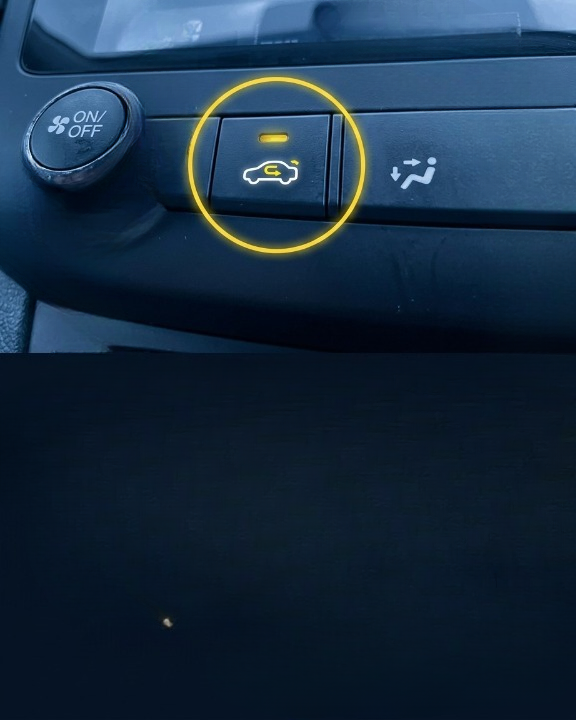
Many drivers regularly notice a small but important button or dashboard icon in their vehicle—a picture of a car with a curved arrow looping inside it. While it is a common feature in most modern vehicles, many people are not fully aware of what it actually does or how it affects comfort inside the car.
This symbol represents the air recirculation system, a built-in climate control function designed to manage how air moves in and out of the vehicle cabin. When used correctly, it can significantly improve driving comfort, help the air conditioning system work more efficiently, and even enhance air quality depending on road conditions.
Despite being widely available in cars around the world, this feature is often misunderstood or used incorrectly. Learning when to activate it—and when to turn it off—can make a noticeable difference in both comfort and driving experience.
Understanding the Purpose of Air Recirculation in a Vehicle
At its core, the air recirculation system is designed to control whether your car uses fresh outside air or recycles the air already inside the cabin. This simple switch can change how quickly your vehicle cools or heats, how clean the air feels, and even how much strain is placed on your climate control system.
When the system is turned off, your vehicle continuously pulls air from outside. That air is then filtered to remove dust and particles before being adjusted to your selected temperature. After conditioning, it is circulated throughout the cabin to maintain comfort.
When the system is activated, the process changes completely. Instead of bringing in outside air, the system closes the external intake and begins reusing the air already inside the car. This creates a closed-loop system where the same air is cooled or heated repeatedly.
This difference may seem small, but it has a noticeable impact on temperature control, air freshness, and overall cabin comfort.
How Fresh Air Mode Works in Everyday Driving
When fresh air mode is active (recirculation turned off), the car continuously replaces cabin air with air from outside. This mode is generally better for long drives, highway travel, or situations where maintaining oxygen flow and reducing humidity is important.
As outside air enters the system, it passes through the cabin air filter, which helps trap dust, pollution, and other airborne particles. The filtered air is then adjusted to match your selected temperature before being distributed inside the vehicle.
This constant exchange of air helps prevent stuffiness inside the cabin and ensures that oxygen levels remain stable, especially during long trips.
However, because the system is always processing new air from outside, it may take slightly longer for the air conditioner or heater to reach the desired temperature compared to recirculation mode.
How Air Recirculation Mode Changes the Process
When air recirculation is activated, the system stops pulling in outside air and instead reuses the air already inside the cabin. This creates a sealed environment where air continuously cycles through the cooling or heating system.
Because the air inside the cabin is already partially conditioned, the system can adjust temperatures more quickly and with less effort. This often results in faster cooling during hot weather or quicker warming in colder conditions.
This mode is especially helpful in situations where outside air quality is poor or when immediate temperature control is needed.
When Air Recirculation Is Most Useful
One of the biggest advantages of recirculation mode is its efficiency in certain driving environments. For example, during extremely hot weather, activating recirculation allows the air conditioning system to cool down the cabin much faster. Since the system is reusing already cooled air instead of constantly processing hot outside air, it reduces workload and improves cooling speed.
This feature is also useful in heavy traffic conditions. When surrounded by other vehicles, especially in urban areas, recirculation helps reduce the amount of exhaust fumes entering the cabin. This can make the driving experience more comfortable and less irritating, particularly in congested roads.
In addition, it can be beneficial for individuals who are sensitive to airborne particles such as dust, pollen, or pollution. By limiting the intake of outside air, the system helps maintain a more controlled and filtered environment inside the vehicle.
Odors from outside sources—such as construction areas, garbage zones, or industrial surroundings—can also be reduced when recirculation mode is active, improving overall cabin comfort.
When You Should Avoid Using Recirculation Mode
Although air recirculation offers several benefits, it is not designed to be used continuously for long periods of time. Keeping it active for extended drives can lead to certain issues that affect comfort and visibility.
One common problem is window fogging. Because the system continuously reuses the same air inside the cabin, moisture levels can gradually increase. In humid or cold conditions, this can cause the windows to fog up more quickly, reducing visibility and making driving less safe.
Another concern is reduced fresh airflow. Without outside air entering the cabin, oxygen levels can feel lower over time, especially during long journeys. This may lead to a slightly stale or uncomfortable environment for passengers.
For these reasons, experts generally recommend switching between fresh air mode and recirculation mode depending on driving conditions rather than relying on one setting all the time.
Finding the Right Balance for Comfort and Safety
The key to using your vehicle’s air circulation system effectively is balance. Instead of keeping it permanently on or off, drivers should adjust it based on the environment.
For example:
- In hot weather or traffic jams, recirculation can improve cooling efficiency.
- On highways or during long trips, fresh air mode is often more comfortable and healthier.
- In polluted or dusty areas, temporary use of recirculation can help reduce exposure.
By switching between both modes when needed, drivers can maintain better air quality while also improving climate control efficiency.
The Role of the Cabin Air Filter
Another important but often overlooked factor in air quality is the cabin air filter. This filter is responsible for cleaning incoming air before it enters the cabin, whether in fresh air mode or during partial system operation.
Over time, the filter collects dust, dirt, and pollutants, which can reduce airflow and affect overall system performance. A clogged or dirty filter can also lead to unpleasant odors or weaker air circulation.
Regular replacement of the cabin air filter helps ensure that both fresh air and recirculated air remain clean and efficient. Most manufacturers recommend replacing it periodically, depending on driving conditions and usage.
Final Thoughts: Why Understanding This Feature Matters
Although the air recirculation button may seem like a minor feature inside a vehicle, it plays an important role in shaping the overall driving experience. It affects how quickly your car cools down, how clean the air feels inside, and how comfortable long journeys become.
By understanding how and when to use it, drivers can take better control of their environment inside the vehicle. Instead of treating it as just another button on the dashboard, it becomes a practical tool for improving comfort, efficiency, and air quality.
Ultimately, the best approach is not to rely on one fixed setting, but to adjust the system thoughtfully based on real-world conditions.
Because when used correctly, this small feature can make every drive noticeably more comfortable, healthier, and more efficient.