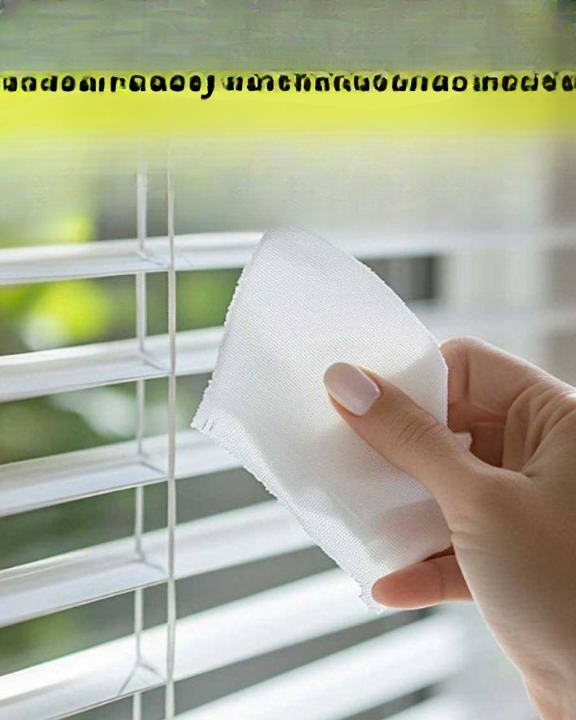
Window blinds are a popular choice for homes because they offer privacy, control natural light, and complement many interior styles. Whether they are made of wood, metal, vinyl, or fabric, blinds provide both function and style to living spaces.
However, one challenge many homeowners face is keeping blinds clean.
Dust, pet hair, and everyday airborne particles tend to settle on blinds quickly. Because blinds often contain many thin slats placed closely together, cleaning them can feel like a slow and repetitive task. For this reason, many people delay cleaning their blinds until the dust becomes very noticeable.
The good news is that maintaining clean blinds does not have to be complicated or time-consuming. With the right techniques and tools, you can clean blinds thoroughly while saving time and effort.
This guide will walk you through simple and effective ways to clean horizontal and vertical blinds, including methods for removing dust, dealing with stains, and keeping blinds cleaner for longer.
Why Cleaning Blinds Regularly Is Important
Blinds are positioned directly in front of windows, which means they are constantly exposed to air movement. Whenever windows are opened, outside particles such as pollen, dust, and pollution can enter the home and settle on the blinds.
Even when windows remain closed, indoor air circulation can cause dust to accumulate on surfaces throughout the home.
Cleaning blinds regularly offers several benefits.
Improved Indoor Air Quality
Dust that collects on blinds can eventually circulate back into the air when the blinds are adjusted or when airflow moves through the room. Removing this dust helps maintain a cleaner indoor environment.
A More Attractive Living Space
Blinds are often located in prominent areas of the room. When they are dusty or stained, they can affect the overall appearance of the space. Clean blinds help maintain a tidy and welcoming home.
Longer Lifespan of the Blinds
Regular maintenance prevents buildup that may cause discoloration or damage to certain materials. Keeping blinds clean can extend their lifespan and maintain their appearance.
Understanding Different Types of Blinds
Before cleaning blinds, it is helpful to know the type of material you are working with. Different materials require slightly different cleaning methods.
Horizontal Blinds
Horizontal blinds are the most common type and consist of narrow slats connected by cords or fabric tapes. These slats can be tilted to control light.
Common materials include:
-
Aluminum
-
Vinyl
-
Faux wood
-
Real wood
Vertical Blinds
Vertical blinds are often used for large windows or sliding glass doors. Instead of horizontal slats, they have vertical panels that can rotate or slide to the side.
Vertical blinds are commonly made from:
-
Fabric
-
Vinyl
-
PVC
Fabric Blinds
Some blinds use fabric materials similar to curtains. These may require gentler cleaning methods to avoid damaging the material.
Understanding the material of your blinds helps determine the safest and most effective cleaning technique.
Tools That Make Cleaning Blinds Easier
Having the right tools can make a big difference when cleaning blinds. Fortunately, most of the items you need are common household cleaning supplies.
Some useful tools include:
-
Microfiber cloths
-
Vacuum cleaner with a brush attachment
-
Soft duster
-
A clean sock or glove
-
Mild cleaning solution
-
White vinegar
-
Warm water
-
Soft sponge
Using gentle tools helps prevent scratches or damage to delicate materials.
Method 1: Using a Vacuum Cleaner
One of the easiest ways to remove dust from blinds is by using a vacuum cleaner with a soft brush attachment.
Step-by-Step Instructions
-
Close the blinds so the slats face in one direction.
-
Attach the brush tool to your vacuum cleaner.
-
Gently run the brush along the slats from top to bottom.
-
Move slowly to allow the vacuum to capture dust effectively.
-
Reverse the direction of the blinds and repeat on the other side.
This method works particularly well for horizontal blinds, as the brush attachment can easily reach between slats.
Vacuuming blinds once every few weeks helps prevent dust from accumulating.
Method 2: Cleaning Blinds with a Microfiber Cloth
Microfiber cloths are highly effective at trapping dust without spreading it into the air.
How to Use This Method
-
Close the blinds completely.
-
Hold a microfiber cloth in your hand.
-
Wipe each slat from one end to the other.
-
Continue working from top to bottom.
-
Turn the blinds in the opposite direction and repeat.
Microfiber cloths are especially useful for faux wood or aluminum blinds, as they clean surfaces without scratching them.
Method 3: The Sock Cleaning Method
A surprisingly effective cleaning method involves using a clean sock.
Why This Method Works
Fabric socks can fit comfortably over your hand, allowing you to grip each slat easily while cleaning.
How to Do It
-
Place a clean sock over your hand.
-
Lightly dampen the sock with water or a mild cleaning solution.
-
Hold each slat gently between your fingers.
-
Slide your hand along the slat to remove dust and dirt.
This method is convenient because it allows you to clean both sides of a slat at the same time.
It also provides better control when cleaning delicate blinds.
Method 4: Using a Traditional Duster
A feather duster or microfiber duster can also be used for routine maintenance.
This method is best for light dusting between deeper cleanings.
Steps
-
Close the blinds.
-
Move the duster across each slat.
-
Work from the top of the blinds downward.
-
Repeat on the opposite side.
While this method is quick, it may not remove heavier dust buildup as effectively as other techniques.
Method 5: Deep Cleaning with a Mild Solution
If blinds have accumulated grease, stains, or heavy dust, a deeper cleaning method may be necessary.
Preparing the Cleaning Solution
Mix the following in a bowl or bucket:
-
Warm water
-
A few drops of mild dish soap
-
Optional: a small amount of white vinegar
This solution helps break down dirt without damaging most blind materials.
Steps for Deep Cleaning
-
Close the blinds fully.
-
Dip a microfiber cloth into the cleaning solution.
-
Wring out excess water.
-
Wipe each slat gently.
-
Rinse the cloth frequently.
-
Dry the blinds with a clean cloth.
Avoid soaking blinds, especially if they are made of wood.
Cleaning Vertical Blinds
Vertical blinds require a slightly different cleaning approach because of their design.
Dusting Vertical Panels
-
Use a vacuum with a brush attachment.
-
Move the brush downward along each panel.
-
Repeat on both sides.
Wiping with a Cloth
For heavier dust or stains:
-
Use a damp microfiber cloth.
-
Wipe from top to bottom.
-
Support the panel with your hand to avoid bending it.
Cleaning Fabric Blinds
Fabric blinds require extra care because excessive moisture can damage the material.
Light Cleaning
Use a vacuum with a brush attachment to remove dust.
Spot Cleaning
If stains appear:
-
Mix warm water with a small amount of mild detergent.
-
Dampen a cloth with the solution.
-
Gently blot the stained area.
-
Allow it to air dry.
Avoid scrubbing fabric blinds, as this can damage the fibers.
Removing Stubborn Dust and Grime
Sometimes blinds collect grease or residue, particularly in kitchens.
For these situations:
-
Use a mild cleaning solution.
-
Wipe gently with a microfiber cloth.
-
Follow with a dry cloth.
Regular cleaning prevents buildup from becoming difficult to remove.
Preventing Dust Buildup on Blinds
While cleaning blinds is necessary, a few simple habits can reduce how quickly dust accumulates.
Maintain Good Air Circulation
Using air filters and keeping ventilation systems clean can help reduce airborne dust.
Clean Nearby Surfaces
Dust from furniture and floors can settle onto blinds. Regularly cleaning nearby surfaces helps reduce this transfer.
Dust Blinds Frequently
Light dusting once every one or two weeks prevents heavy buildup.
Creating a Simple Blind-Cleaning Routine
Keeping blinds clean becomes much easier when incorporated into a routine.
Weekly
-
Light dusting with a microfiber cloth or duster.
Monthly
-
Vacuum blinds with a brush attachment.
Every Few Months
-
Perform a deeper cleaning with a mild solution.
This schedule keeps blinds looking fresh without requiring large amounts of time.
Common Mistakes to Avoid When Cleaning Blinds
When cleaning blinds, it is important to avoid a few common mistakes.
Using Too Much Water
Excess moisture can damage certain materials, especially wood.
Scrubbing Too Hard
Aggressive scrubbing can bend slats or remove protective finishes.
Ignoring the Top Rail
The top section of the blinds can collect dust as well and should not be overlooked.
When It May Be Time to Replace Blinds
Although regular cleaning can maintain blinds for many years, there may come a time when replacement is the better option.
Signs that blinds may need replacement include:
-
Broken slats
-
Warping
-
Discoloration that cannot be removed
-
Mechanical problems with cords or rotation mechanisms
New blinds can refresh the appearance of a room and improve functionality.
Final Thoughts
Cleaning blinds may not be the most exciting household task, but it plays an important role in maintaining a clean and comfortable home. Dust and airborne particles naturally settle on blinds because of their location near windows, making regular maintenance essential.
Fortunately, with the right tools and techniques, cleaning blinds can be quick and manageable. Methods such as vacuuming with a brush attachment, wiping with microfiber cloths, or using a simple household cleaning solution can remove dust and buildup effectively.
By incorporating blind cleaning into your regular household routine, you can maintain better indoor air quality, improve the appearance of your rooms, and extend the life of your window coverings.
With a little consistency and the simple tips outlined in this guide, keeping your blinds clean becomes a straightforward and efficient part of home care.