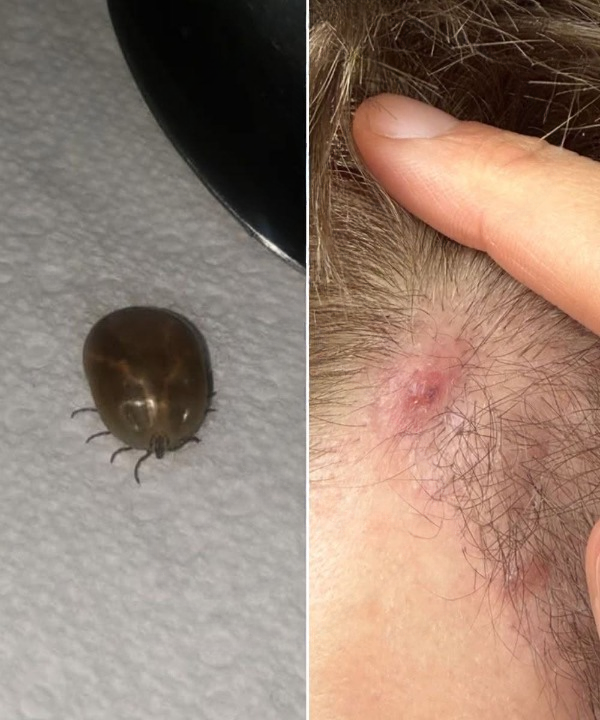
Finding a tick in your child’s hair can feel alarming in the moment. Your first instinct might be panic, worry, or even guilt. But in most cases, what matters most is not the presence of the tick itself, but how calmly and quickly you respond.
Ticks are small parasites that attach to skin and feed on blood. They’re commonly found in grassy, wooded, or outdoor areas, and they can occasionally end up on children after playtime outside. While they can carry illnesses in some regions, not every tick bite leads to infection. The key is careful removal, proper cleaning, and watching for symptoms.
Here’s a grounded, step-by-step way to handle the situation without panic.
1. Pause before reacting
The moment you notice something unusual in your child’s hair, your stress response may spike. That’s normal. But the first and most helpful action is simply to slow down.
Your child is likely watching your reaction. Staying calm helps them feel safe and prevents unnecessary fear. Take a breath, get good lighting, and prepare to look closely before doing anything.
Remember: a tick in the hair is unpleasant, but it is not an emergency in most cases.
2. Confirm what you’re seeing
Sometimes what looks like a tick may be dirt, a small scab, or an insect that is no longer attached.
Ticks are usually small, dark, and may appear embedded in the skin. They do not move quickly once attached.
If you are unsure, part the hair carefully and check the scalp. Common hiding spots include behind the ears, the nape of the neck, and along the hairline.
3. Remove it carefully and correctly
If you confirm it is a tick, the goal is simple: remove it fully and safely.
Use fine-tipped tweezers if available. Grasp the tick as close to the skin as possible and pull upward slowly and steadily. Avoid twisting or squeezing the body of the tick.
Do not use home “tricks” like applying oil, alcohol, or heat while it is still attached. These methods can make removal more difficult and may increase the risk of irritation.
After removal, clean the area with soap and water or rubbing alcohol. Wash your hands thoroughly.
If you want to be cautious, you can save the tick in a sealed container or bag in case a healthcare provider asks for it later.
4. Keep the situation emotionally calm for your child
Children often take emotional cues from adults. If you stay steady and matter-of-fact, your child is more likely to remain calm too.
You can reassure them with simple language like:
- “We found something, and we’re taking care of it.”
- “This happens sometimes after playing outside.”
- “You’re okay.”
Avoid dramatic explanations or visible panic, even if you feel unsettled inside.
5. Watch for symptoms over time
After a tick bite, mild redness or irritation can be normal. However, it’s important to monitor your child over the next several days or weeks.
Look out for:
- Fever
- Headache
- Unusual tiredness
- Muscle or joint pain
- Swollen lymph nodes
- A rash that expands or changes shape
One condition often associated with ticks is Lyme disease. Not every tick carries it, and not every bite leads to illness, but early awareness helps ensure prompt medical care if needed.
If your child develops symptoms or you feel uncertain, it’s always appropriate to contact a healthcare professional.
6. Know when to seek medical help
Most tick bites can be handled at home. However, you should seek medical advice if:
- The bite area becomes increasingly red, swollen, or painful
- Your child develops fever or flu-like symptoms
- A rash spreads or changes over time
- The tick was attached for a long period and you are unsure about removal
Urgent care is needed if severe symptoms appear, such as difficulty breathing, weakness, or unusual neurological signs.
7. Prevention makes future situations easier
You can reduce the chances of ticks becoming a recurring issue with a few simple habits:
After outdoor play, check:
- Scalp and hairline
- Behind ears
- Neck and shoulders
- Underarms
- Waistline
- Behind knees and ankles
Encourage children to wear long sleeves and pants in grassy or wooded areas when possible. Showering after outdoor activity can also help remove ticks before they attach.
Pets should be checked regularly as well, since they can bring ticks indoors.
8. The most important part: perspective
It’s easy to feel shaken when you discover something like this in your child’s hair. But in most cases, a tick is a manageable situation, not a crisis.
What matters most is calm action: remove it properly, clean the area, observe for symptoms, and seek help if anything changes.
Ticks are small, but your response doesn’t need to be big. Steady, simple steps are enough.
And once the moment passes, what your child will remember most is not the tick—but that you handled it calmly and made them feel safe.