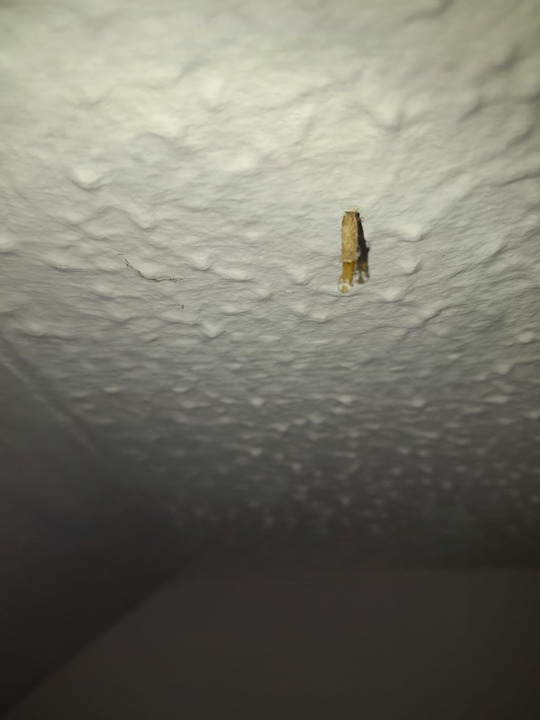
Introduction: When You Notice Unusual Activity on Your Ceiling
It can be surprising to look up at your ceiling and notice small specks, tiny cases, or delicate web-like formations that weren’t there before. At first glance, they may seem harmless — perhaps just dust buildup or minor debris. But when these spots begin appearing more frequently or forming small clusters, it’s natural to wonder what’s happening.
Many homeowners experience this situation at some point. Small insects or larval cases may attach themselves to ceilings, upper walls, or corners near cabinets and light fixtures. While the sight can feel unsettling, the good news is that in most cases, the issue is manageable with proper identification and simple preventive steps.
This comprehensive guide explains:
-
What these “ceiling creepers” might be
-
Why they appear indoors
-
How to identify common household insect larvae
-
Safe and practical steps for removal
-
Long-term prevention strategies
-
When professional help may be necessary
By understanding the cause and responding calmly, you can restore your home to a clean and comfortable environment.
Why Do Insects Appear on Ceilings?
Before jumping to conclusions, it’s important to understand why small insects or larvae might be found near ceilings.
In many cases, the insects themselves are not attracted to the ceiling specifically. Instead, they:
-
Seek higher ground to pupate (transition to adult stage)
-
Move toward light sources
-
Follow airflow patterns
-
Search for safe, undisturbed surfaces
Certain species climb walls and attach themselves near the ceiling as part of their natural life cycle. This behavior is common and does not necessarily indicate structural damage or severe infestation.
Step 1: Identifying What You’re Seeing
Correct identification is the most important step. Treating the wrong issue can waste time and effort.
Below are some of the most common household insects that may leave small cases, webbing, or specks on ceilings.
1. Indian Meal Moths (Pantry Moths)
One of the most frequent causes of ceiling sightings is the larval stage of the Indian meal moth.
What They Look Like:
-
Small moths with copper and gray wings (adults)
-
Cream-colored larvae (young stage)
-
Fine webbing in food packages
-
Tiny silk cocoons attached to ceilings or walls
Why They Climb to Ceilings:
Larvae often crawl upward before forming a cocoon. They attach themselves in high, protected corners where they complete their transformation.
Where They Come From:
Pantry moths usually enter homes through:
-
Packaged grains
-
Rice and pasta
-
Flour
-
Cereal
-
Pet food
-
Birdseed
-
Dried fruits or nuts
Even sealed store packaging may already contain eggs, which hatch later in your pantry.
2. Plaster Bagworms
Another common ceiling dweller is the plaster bagworm.
What They Look Like:
-
Small gray or brown spindle-shaped cases
-
Resemble tiny seeds or lint clumps
-
Often attached to ceilings or walls
These insects feed on:
-
Dust
-
Spider webs
-
Hair
-
Natural fibers
They are generally more common in humid climates and areas with high indoor moisture.
3. Case-Bearing Clothes Moths
The case-bearing clothes moth can also produce small portable cases.
These pests are more likely found near:
-
Closets
-
Wool clothing
-
Rugs
-
Upholstered furniture
If you see cases near bedrooms or closets rather than kitchens, this species could be responsible.
4. Harmless Spider Activity
Sometimes what appears to be insect larvae may simply be spider web clusters or debris caught in webbing. Spiders frequently build in upper corners where airflow carries small insects.
Step 2: Confirming the Source
Once you suspect a likely cause, inspect key areas of your home.
Check Your Pantry
Look for:
-
Webbing inside flour or cereal boxes
-
Clumped grains
-
Tiny crawling larvae
-
Small moths flying at night
If food is contaminated, discard it immediately.
Inspect Closets and Storage Areas
Examine:
-
Wool garments
-
Stored blankets
-
Carpets
-
Felt or natural fiber items
Look for irregular holes or small cases attached to fabric surfaces.
Examine Ceilings and Corners
Note:
-
Are the cases clustered?
-
Are they near light fixtures?
-
Do they appear in kitchen areas?
Patterns can help narrow down the cause.
Step 3: Safe and Effective Removal
Once identified, follow these steps to address the issue safely.
1. Remove Visible Cases
Using gloves:
-
Gently scrape off visible cocoons or cases
-
Vacuum thoroughly
-
Dispose of vacuum bag contents immediately
Do not crush insects directly on painted surfaces, as it may stain.
2. Dispose of Contaminated Food
If pantry moths are confirmed:
Discard:
-
Flour
-
Rice
-
Cereal
-
Pasta
-
Pet food
-
Baking ingredients
Even unopened items may need removal if infestation is widespread.
Place discarded items in sealed trash bags and remove them from your home promptly.
3. Deep Clean Storage Areas
Clean shelves using:
-
Warm water and mild detergent
-
Vinegar solution (for non-porous surfaces)
Vacuum cracks and corners carefully.
Allow surfaces to fully dry before restocking.
4. Store Food Properly
Transfer pantry goods into:
-
Airtight glass containers
-
Metal containers
-
Heavy-duty plastic containers with tight seals
Thin cardboard packaging is not insect-proof.
5. Reduce Humidity
For plaster bagworms and similar pests:
-
Improve ventilation
-
Use a dehumidifier
-
Repair leaks
-
Keep bathrooms dry
Lower moisture levels reduce survival rates.
6. Use Pheromone Traps (If Needed)
Moth traps can help monitor adult populations.
These traps:
-
Attract male moths
-
Reduce reproduction
-
Help determine if infestation is ongoing
They are monitoring tools — not complete solutions.
Step 4: When to Consider Professional Help
If:
-
The infestation persists for several weeks
-
Multiple rooms are affected
-
You continue seeing adult moths daily
-
Structural damage appears
Contact a licensed pest control service.
Professionals can:
-
Identify species accurately
-
Apply targeted treatments
-
Provide long-term prevention guidance
Always choose certified providers and follow safety instructions carefully.
Step 5: Preventing Future Problems
Long-term prevention is easier than dealing with recurring infestations.
Maintain Regular Cleaning
-
Vacuum weekly
-
Clean pantry shelves monthly
-
Wipe food containers
-
Remove crumbs immediately
Inspect Groceries Before Storage
When bringing home dry goods:
-
Check packaging for small holes
-
Freeze grains for 48 hours to eliminate potential eggs
-
Avoid storing large quantities long-term
Seal Entry Points
Inspect for:
-
Cracks near windows
-
Gaps around vents
-
Loose door seals
Use caulk or weatherstripping to block access.
Monitor High-Risk Areas
Keep traps in:
-
Pantry
-
Laundry room
-
Closet spaces
Regular monitoring allows early intervention.
Understanding the Life Cycle
Knowing how these insects develop helps explain why ceilings are involved.
Typical moth life cycle:
-
Egg
-
Larva (feeding stage)
-
Pupa (cocoon stage, often on ceilings)
-
Adult moth
The ceiling appearance often represents the pupation stage — meaning the feeding likely occurred elsewhere.
Common Myths About Ceiling Insects
Myth 1: They Only Appear in Dirty Homes
Not true. Even very clean homes can experience pantry moths due to contaminated packaged goods.
Myth 2: They Damage Structural Ceilings
Most pantry and plaster species do not damage building materials.
Myth 3: One or Two Means Severe Infestation
Sometimes isolated cases occur without widespread contamination.
Natural Preventive Measures
Some homeowners prefer natural deterrents.
Options include:
-
Bay leaves in pantry containers
-
Cedar blocks in closets
-
Lavender sachets for fabric areas
While not guaranteed solutions, these may help discourage certain insects.
Emotional Impact: Staying Calm
Unexpected household pests can cause stress. However, most common ceiling insects are:
-
Not dangerous
-
Not harmful to humans
-
Manageable with simple steps
A calm, systematic approach works best.
Seasonal Patterns
Infestations often increase during:
-
Warmer months
-
Periods of high humidity
-
Times when windows are frequently open
In colder seasons, activity typically declines.
Apartment Living Considerations
If you live in shared housing:
-
Inform property management if issue persists
-
Inspect shared storage areas
-
Coordinate cleaning efforts
Infestations can travel between units.
Children and Pet Safety
When addressing pest concerns:
-
Avoid spraying chemicals near food
-
Keep traps out of reach
-
Follow product instructions carefully
If uncertain, consult professionals.
Frequently Asked Questions
Are these insects harmful to health?
Most pantry and plaster moth species do not pose direct health risks, though contaminated food should not be consumed.
How long does it take to eliminate them?
With prompt cleaning and proper storage, mild infestations often resolve within several weeks.
Will repainting the ceiling solve it?
Painting may cover stains but will not eliminate larvae if food sources remain.
Final Thoughts: Restoring Comfort to Your Home
Seeing small insect cases on your ceiling can feel concerning at first. However, with proper identification, cleaning, and preventive steps, most situations can be resolved efficiently.
Remember:
-
Identify the species
-
Remove contaminated materials
-
Deep clean affected areas
-
Store food properly
-
Monitor regularly
A clean, well-maintained home greatly reduces the chance of recurrence.
With awareness and proactive care, your living space can remain comfortable, hygienic, and free from unwanted insect activity.