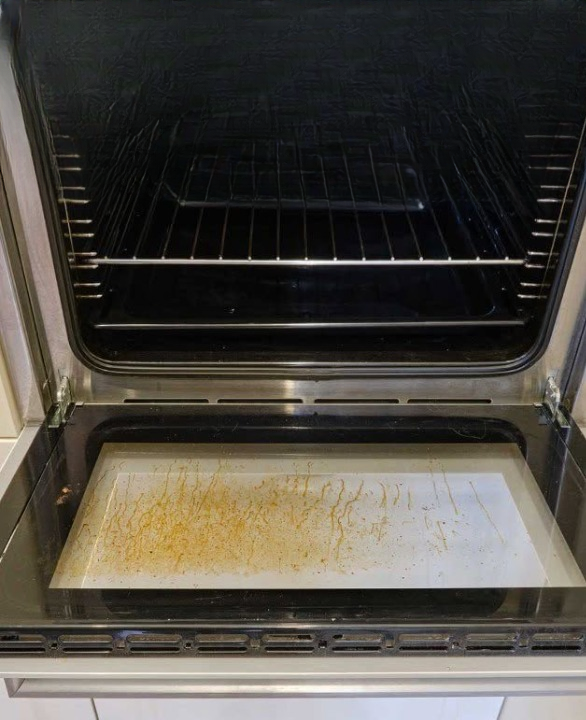
If you take a close look at the glass window on your oven door, you might notice something frustrating. Even after cleaning the outside of the oven thoroughly, the glass still appears cloudy, streaked, or stained. Sometimes you can see drips, smudges, or baked-on residue trapped inside the door itself.
Many people assume the glass is permanently stained or that the oven is simply impossible to clean completely. However, the truth is that the mess often isn’t on the outside surface at all—it’s trapped between the layers of glass that make up the oven door.
Modern ovens are designed with multiple panes of glass to help insulate heat and make cooking safer. While this design is effective, it also creates small spaces where grease, condensation, and food particles can sometimes collect.
Over time, these materials may bake onto the glass due to the high temperatures inside the oven. This buildup can leave your appliance looking dirty even when the rest of the kitchen is spotless.
The good news is that cleaning between the glass panels is often easier than most people expect. With the right approach and a bit of patience, you can restore the clarity of your oven door and make your kitchen look cleaner overall.
This guide will walk you through the process in a safe and simple way while also providing tips to help prevent future buildup.
Why Oven Doors Have Multiple Glass Panels
Before learning how to clean between the glass panels, it’s helpful to understand why ovens use multiple layers of glass in the first place.
Most modern ovens have two or three panes of glass in the door. These layers serve several important purposes.
1. Heat Insulation
The extra layers of glass help trap heat inside the oven while keeping the exterior door cooler. This improves energy efficiency and reduces the chance of burns when touching the outside of the door.
2. Improved Cooking Performance
Proper insulation allows the oven to maintain a more consistent temperature during baking or roasting.
3. Increased Safety
Multiple glass panels help prevent the outer surface of the oven door from becoming dangerously hot.
Although this design provides many benefits, the narrow gaps between the glass panels can occasionally allow grease, steam, or small particles to enter through vents in the door.
Over time, these materials may stick to the glass and become visible.
How Residue Gets Between the Glass Panels
Many people are surprised to learn that the inside of an oven door is not completely sealed.
Most oven doors include small ventilation openings that help regulate airflow and prevent overheating. These vents are usually located along the top or bottom edge of the door.
During cooking, heat and moisture circulate through these vents. Occasionally, tiny droplets of grease, steam, or food particles may travel through them and settle between the glass panes.
Common causes of buildup include:
-
Grease splatter from roasting meats
-
Steam from baked dishes
-
Spilled sauces or liquids inside the oven
-
Food particles released during cooking
Once these materials settle between the glass panels, repeated heating can cause them to harden and darken.
This is why the stains may appear permanent even though they are simply baked-on residue.
Signs Your Oven Door Needs Cleaning
You may notice several signs that it’s time to clean the inside of your oven door.
These include:
-
Cloudy or hazy glass that won’t wipe clean
-
Drip marks visible inside the door
-
Brown or black stains between the glass layers
-
Greasy smudges that appear trapped inside
While these marks do not affect the performance of the oven, they can make the appliance look older or poorly maintained.
Cleaning the glass panels can instantly improve the appearance of your kitchen.
A Simple Method for Accessing the Glass Panels
Many ovens allow access to the interior glass panels by removing a small panel located at the top of the oven door.
This panel usually contains the ventilation openings mentioned earlier.
Although the exact design varies depending on the manufacturer, the process often involves removing a few screws that secure the vent panel in place.
Once this section is removed, you may be able to reach the interior glass surfaces for cleaning.
However, it is important to approach this process carefully.
Important Safety Tips Before You Begin
Before attempting to clean between the glass panels, take a few safety precautions.
Make Sure the Oven Is Completely Cool
Never attempt to clean or disassemble any part of the oven while it is still warm.
Disconnect Power if Necessary
If you feel more comfortable doing so, unplug the appliance or turn off the circuit breaker to ensure the oven cannot accidentally turn on.
Work Slowly and Carefully
The glass panels inside the door can be heavy and fragile. Handling them carefully helps prevent damage.
Consider Having Another Person Assist
Having a second person nearby can make the process easier and safer.
Step-by-Step Guide to Cleaning Between the Glass Panels
The following steps provide a general approach that works for many oven models.
However, always consult your oven’s manual if you have it available.
Step 1: Open the Oven Door
Open the oven door completely so you can access the top edge.
Step 2: Locate the Vent Panel
Look for the vented section along the top of the door. This area often contains small openings or slots that allow heat to escape.
Step 3: Remove the Screws
Using the appropriate screwdriver, carefully remove the screws holding the vent panel in place.
Place the screws somewhere safe so they are easy to find later.
Step 4: Lift the Panel
Once the screws are removed, gently lift or slide the panel away from the door.
This may reveal access to the space between the glass panes.
Step 5: Support the Glass Panels
Before proceeding further, make sure the glass panels are stable.
Some oven doors have internal brackets that hold the glass securely, while others require a little extra care to prevent movement.
Step 6: Clean the Glass
Use a soft cloth or a flexible cleaning tool to reach between the panes.
Spray a small amount of glass cleaner onto the cloth rather than directly onto the glass.
Then gently wipe the interior surfaces.
Step 7: Address Stubborn Spots
If you notice tough stains, a mild mixture of baking soda and water may help loosen residue.
Apply the paste gently and wipe it away with a damp cloth.
Step 8: Dry the Glass
Use a clean, dry cloth to remove any remaining moisture.
Step 9: Reassemble the Door
Carefully replace the vent panel and secure it with the screws you removed earlier.
Make sure everything fits snugly before closing the door.
Alternative Cleaning Tools That May Help
Some homeowners find it helpful to use simple tools that make it easier to reach inside narrow spaces.
Examples include:
-
Long microfiber cloths
-
Flexible cleaning wands
-
Thin spatulas wrapped with cloth
-
Bottle brushes with soft bristles
These tools can help reach deeper areas between the glass panels without scratching the surface.
Natural Cleaning Solutions That Work Well
Many people prefer gentle cleaning solutions that are easy to prepare at home.
Here are a few options that may help remove residue.
Baking Soda Paste
Mix baking soda with a small amount of water to create a paste.
This mixture can help loosen baked-on spots.
Vinegar Solution
Diluted vinegar can help break down grease and leave glass surfaces looking clearer.
Mild Dish Soap
A small amount of dish soap mixed with warm water can remove oily residue effectively.
Always rinse and dry thoroughly to avoid streaks.
Preventing Future Buildup Inside the Oven Door
While it may not be possible to completely prevent residue from entering the door, a few habits can reduce the likelihood of buildup.
Clean Spills Quickly
If food spills inside the oven, clean it as soon as the appliance cools down.
Use Covered Cookware
Using lids or foil can help reduce splatter during cooking.
Avoid Overfilling Dishes
Overfilled casseroles or baking dishes may bubble over and release steam or sauce.
Wipe the Oven Regularly
Regular light cleaning helps prevent grease from circulating inside the appliance.
When to Check Your Oven Manual
Although many ovens share similar designs, some models have unique door structures.
Your oven’s instruction manual can provide valuable information about:
-
Safe disassembly procedures
-
Recommended cleaning products
-
Special features specific to your model
If you still have the manual, reviewing it before beginning can be very helpful.
If not, many manufacturers offer digital versions online.
When Professional Cleaning May Be Helpful
If the buildup inside your oven door is extremely heavy or difficult to reach, a professional appliance cleaning service may be able to assist.
These professionals have experience working with different oven designs and may have specialized tools for accessing interior spaces.
While many homeowners successfully clean the glass themselves, professional help is an option for more complicated situations.
Why a Clean Oven Door Matters
Keeping your oven door clean isn’t just about appearance.
Clear glass panels allow you to easily monitor food while it cooks without opening the oven door. This helps maintain consistent cooking temperatures and improves energy efficiency.
Additionally, a well-maintained oven contributes to a more organized and pleasant kitchen environment.
The Satisfaction of Restoring Your Oven’s Appearance
Few things are more satisfying than restoring a cloudy or stained oven door to a clear, polished look.
After cleaning the interior glass panels, many people are surprised at how much brighter and cleaner their appliance appears.
Sometimes small maintenance tasks like this can make an entire kitchen feel refreshed.
Final Thoughts
Residue trapped between the glass panels of an oven door is a common issue that many homeowners encounter. Grease, steam, and small food particles can gradually make their way into the narrow space between the panes, where they may bake onto the glass over time.
Although the stains may look permanent, they can often be cleaned with a little patience and the right approach.
By carefully accessing the interior glass surfaces, using gentle cleaning solutions, and reassembling the door properly, you can greatly improve the appearance of your oven.
Regular maintenance and mindful cooking habits can also help reduce future buildup.
With these simple steps, your oven door can stay clear, clean, and ready for your next cooking project.