Introduction
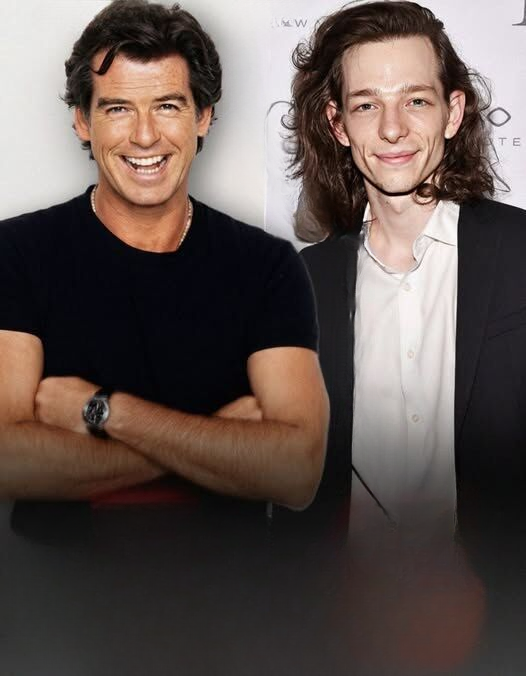
Ideas of attractiveness are never fixed. They change gradually over time, influenced by culture, media, fashion, and social values. What one generation considers the ideal image of male beauty may look very different to the next.
In the past, mainstream media—especially Hollywood—played a dominant role in shaping what was considered attractive. Today, however, social media platforms and online communities have introduced a far more fragmented and rapidly changing landscape of beauty standards.
Rather than a single universal ideal, there are now multiple overlapping aesthetics, ranging from traditional “leading man” looks to more unconventional and internet-driven interpretations of attractiveness.
This article explores how these standards have shifted over the past few decades and why modern definitions of male attractiveness are more diverse than ever.
The Classic Hollywood Era: Clear and Defined Standards
In the 1990s and early 2000s, male beauty standards in mainstream media were relatively consistent. Hollywood heavily influenced global perceptions of attractiveness, and the ideal male image often followed a familiar formula.
This era emphasized:
- Strong facial symmetry
- Athletic or toned physiques
- Confident posture and demeanor
- Groomed, polished appearance
- A sense of controlled masculinity
Actors like George Clooney and Patrick Swayze were widely associated with this classic standard of attractiveness. Their appeal combined physical appearance with charisma, confidence, and screen presence.
Swayze, for example, became known for roles that blended physical strength with emotional expression, while Clooney represented a balance of charm, intelligence, and sophistication. These qualities helped define a cultural ideal where attractiveness was closely tied to confidence, refinement, and traditional masculinity.
Even older figures such as John F. Kennedy Jr. were often retrospectively included in discussions of ideal male beauty, reinforcing the idea that composure and public image played an important role in perceptions of attractiveness.
During this period, the “leading man” archetype was clear: well-groomed, confident, and physically polished individuals were widely regarded as the standard.
The Shift Toward Complexity and Emotional Expression
By the late 2000s and early 2010s, perceptions of attractiveness began to diversify. Instead of focusing solely on physical symmetry and polished presentation, audiences started valuing emotional depth, individuality, and authenticity.
Actors such as Keanu Reeves became widely appreciated not only for their screen roles but also for their perceived humility and grounded public presence. His popularity reflected a broader cultural shift toward valuing relatability alongside traditional attractiveness.
Similarly, actors like Adam Driver challenged earlier expectations of what a leading man should look like. His appearance did not conform to traditional Hollywood standards, yet his performances emphasized emotional intensity and complexity, which resonated strongly with audiences.
Another example is Timothée Chalamet, whose rise in popularity reflects a more fluid and modern interpretation of masculinity. His look—often described as delicate or unconventional compared to older archetypes—represents a shift toward embracing softer, more diverse expressions of male identity in mainstream media.
During this period, attractiveness became less about uniform physical traits and more about personality, emotional expression, and uniqueness.
The Influence of Social Media and Fragmented Aesthetics
The rise of social media platforms such as Instagram, TikTok, and X (formerly Twitter) has significantly changed how beauty standards evolve. Unlike earlier decades, where a few major studios influenced global trends, today’s aesthetics are shaped by fast-moving online communities.
This has led to the emergence of micro-trends—short-lived, often humorous or ironic interpretations of attractiveness that spread rapidly across the internet.
Instead of a single dominant ideal, multiple styles now coexist simultaneously. Some are nostalgic, others are experimental, and many are intentionally playful or ironic.
Online communities often reinterpret celebrity appearances in unexpected ways, blending admiration with humor and creativity. This has resulted in entirely new categories of informal aesthetics that exist primarily in digital culture.
Internet-Era Aesthetics: Humor and Reinterpretation
One notable example of modern online aesthetic labeling is the informal concept sometimes referred to as “internet boyfriends” or humorous beauty labels that circulate on social platforms.
These labels are not formal or scientific classifications. Instead, they are part of internet culture, where users collectively assign playful descriptions to public figures based on perceived traits.
Actors like Josh O’Connor, Mike Faist, and Barry Keoghan are often discussed in these online contexts because their appeal does not fit traditional Hollywood molds. Instead, their attractiveness is frequently described in more subjective, humorous, or character-based terms.
In some cases, even musicians such as Thom Yorke have been reinterpreted through internet discussions that highlight individuality rather than conventional aesthetics.
These examples demonstrate how modern online culture often blends seriousness with irony when discussing attractiveness.
Why Unconventional Aesthetics Become Popular
The rise of unconventional beauty trends can be understood through several cultural and psychological factors:
1. Rejection of perfection
Highly polished or symmetrical beauty standards can feel unrealistic. As a result, audiences often gravitate toward more natural or imperfect appearances that feel relatable.
2. Humor and irony in online culture
Internet communities frequently use humor as a way to engage with beauty discussions. Playful or exaggerated labels create shared cultural jokes that spread quickly.
3. Relatability and authenticity
People often respond positively to features or expressions that feel more human, imperfect, or emotionally accessible.
4. Focus on personality and roles
Modern audiences increasingly value acting ability, personality, and emotional depth alongside physical appearance.
These factors contribute to a broader and more flexible understanding of attractiveness.
From Uniform Standards to Diverse Aesthetics
One of the most significant changes in recent decades is the shift from a single dominant ideal to multiple coexisting standards.
In earlier decades, male attractiveness was more centralized and defined by specific physical traits and presentation styles. Today, however, there is no single reference point.
Instead, multiple aesthetics exist at the same time, including:
- Classic Hollywood-inspired looks
- Soft or androgynous styles
- Minimalist or natural appearances
- Internet-driven ironic aesthetics
- Character-based attractiveness linked to roles or personality
This diversity reflects broader cultural changes in how identity and self-expression are understood.
What This Evolution Reflects About Society
The evolution of male beauty standards is not only about appearance. It reflects changing cultural values over time.
In earlier decades, emphasis was placed on stability, confidence, and traditional masculinity. In contrast, modern interpretations often highlight individuality, emotional openness, and uniqueness.
Importantly, older standards have not disappeared. Classic icons remain influential, but they now exist alongside a much wider range of representations.
This coexistence allows for greater flexibility in how attractiveness is understood and expressed.
Conclusion
Male beauty standards have changed significantly over the past several decades, shifting from a relatively narrow set of ideals to a broad and diverse range of interpretations.
Where once there was a strong focus on polished, traditional masculinity, there is now space for individuality, emotional expression, and even humor-driven reinterpretations of attractiveness.
Rather than replacing older ideals entirely, modern culture has expanded the definition of what is considered appealing. Today, attractiveness is no longer a single standard but a collection of evolving perspectives shaped by media, technology, and cultural dialogue.
Ultimately, this ongoing evolution reflects a broader truth: beauty is not fixed—it is constantly redefined by the societies that observe it.