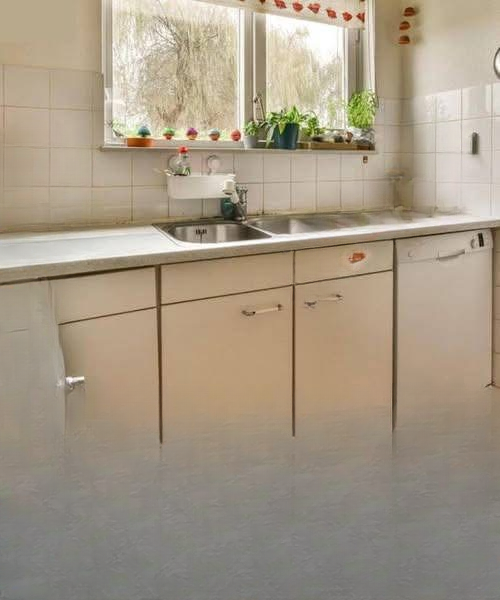
The cabinet located beneath the kitchen sink is one of the most commonly used storage spaces in many homes. It is convenient, easily accessible, and often large enough to hold a variety of household supplies. Because of this convenience, people frequently place many different items there without thinking twice about whether the location is appropriate.
However, the area under the kitchen sink is not always ideal for storing certain types of products. The environment inside this cabinet can be quite different from other storage spaces in the home. Plumbing pipes run through the cabinet, which means the area is exposed to moisture, occasional condensation, and sometimes minor leaks. Additionally, the space is usually enclosed and lacks proper ventilation.
These conditions may affect the safety, effectiveness, and lifespan of certain items stored there. Over time, humidity, temperature changes, and limited airflow can cause damage to products or create unnecessary risks.
For this reason, it is helpful to periodically review what you store beneath your kitchen sink. By organizing the space carefully and avoiding certain items, you can maintain a safer and more functional kitchen environment.
In this guide, we will explore the types of items that may not be suitable for under-sink storage, explain why these items can be affected by the conditions in that space, and provide practical tips for organizing the cabinet more effectively.
Understanding the Environment Under the Kitchen Sink
Before discussing what should not be stored in this cabinet, it is important to understand why this space can be problematic for certain items.
Unlike many other storage areas in the home, the cabinet beneath the sink contains plumbing components that carry water to and from the faucet. These pipes can produce moisture in several ways.
Condensation
Cold water pipes often create condensation when warm air from the kitchen comes into contact with the pipe surface. Small droplets of water may form and drip into the cabinet area.
Occasional Leaks
Even well-maintained plumbing systems can develop small leaks over time. A loose connection or worn seal may allow water to drip slowly into the cabinet.
Limited Air Circulation
Most under-sink cabinets remain closed for long periods. Because airflow is limited, moisture that enters the space may take longer to evaporate.
Temperature Changes
The kitchen environment can change rapidly when cooking. Steam and heat from ovens, stovetops, or dishwashers can affect nearby cabinets.
Together, these conditions create an environment that may not be suitable for certain household products.
Why Proper Storage Matters
Storing items in the wrong environment can have several consequences.
Some products may lose their effectiveness when exposed to moisture or temperature changes. Others may become damaged or deteriorate over time.
In some cases, improper storage can even lead to safety concerns, particularly when strong cleaning products or fragile materials are involved.
By understanding which items are best kept elsewhere, you can prevent potential problems and keep your kitchen better organized.
Cleaning Chemicals That Require Careful Storage
Many households keep cleaning products under the kitchen sink because they are often used in that area. While this location can be convenient, some products require extra attention when choosing where to store them.
Certain cleaning solutions contain active ingredients designed to remove grease, stains, or bacteria. When these products are stored improperly, they may release odors or react with other substances.
Examples of products that should be handled carefully include:
-
Bleach-based cleaners
-
Strong oven cleaning products
-
Ammonia-based solutions
-
Concentrated degreasers
If these containers become damaged or leak inside a confined cabinet, the odors may build up due to limited airflow.
To reduce risks, it is best to store these items in an organized container or basket that prevents them from tipping over. Some households also choose to store stronger products in a separate cabinet designed specifically for cleaning supplies.
Keeping cleaning chemicals clearly labeled and separated helps ensure they remain safe to use.
Powdered Products and Moisture Sensitivity
Another category of items that may not be ideal for under-sink storage includes powdered household products.
Powdered materials often absorb moisture from the surrounding air. In a humid environment, this can cause the powder to clump together and become difficult to use.
Examples of products that may be affected by moisture include:
-
Powdered laundry detergents
-
Baking soda
-
Certain cleaning powders
-
Dry stain removers
When exposed to moisture, these products may lose their original texture and effectiveness. Clumping can make it harder to measure the product accurately and may reduce its performance.
If possible, it is better to store these products in a dry pantry or utility cabinet where humidity levels are lower.
Paper Products and Packaging
Many people place extra paper products under the kitchen sink without realizing that humidity may affect them.
Paper items such as paper towels, napkins, and cardboard packaging can absorb moisture over time. Even small amounts of condensation from nearby pipes can cause paper to become soft or develop unpleasant odors.
In addition, damp environments may encourage the growth of mold on paper materials.
Because of these risks, it is usually better to store paper goods in a pantry, drawer, or other dry location away from plumbing.
Keeping paper products dry helps preserve their quality and prevents unnecessary waste.
Spare Batteries and Electronic Accessories
Although the kitchen sink cabinet might seem like a convenient place to store small items, electronics and batteries are generally not suited for this environment.
Batteries can be sensitive to humidity and temperature changes. When exposed to moisture, they may corrode or leak over time.
This can damage nearby objects and reduce the lifespan of the batteries themselves.
To keep batteries in good condition, it is recommended to store them in a cool, dry location such as a desk drawer or dedicated storage container.
Organizing batteries properly also makes them easier to find when needed.
Food Items and Edible Products
While it may seem obvious, some households occasionally store certain food-related items under the sink simply because space is available.
However, this location is not appropriate for food storage due to the potential presence of cleaning chemicals, moisture, and plumbing components.
Food products may absorb odors from nearby chemicals or become contaminated if leaks occur.
Even sealed containers may not be fully protected in an environment that experiences temperature and humidity fluctuations.
For this reason, food items should always be stored in designated kitchen areas such as pantries, cabinets, or refrigerators.
Medications and Health Products
Medications require stable storage conditions to maintain their effectiveness.
Most medications are designed to be kept in cool, dry environments away from excessive humidity and temperature changes.
The cabinet beneath the sink does not meet these requirements because it may be exposed to moisture and heat.
Storing medications in such conditions could reduce their effectiveness over time.
Instead, medications should be kept in a dedicated medicine cabinet or another secure location that remains dry and stable.
Sharp Tools and Hazardous Items
Some people store tools such as scissors, utility knives, or small repair tools beneath the sink. While this may seem convenient, the space can become cluttered quickly.
Clutter increases the likelihood of accidents when reaching into the cabinet.
In addition, moisture may cause certain metal tools to rust over time.
For safety and organization, tools are usually better stored in a toolbox or designated drawer where they remain dry and easy to locate.
Household Electronics or Chargers
Small electronics such as chargers, extension cords, or adapters should not be stored in damp environments.
Exposure to humidity can damage wiring or internal components over time.
To keep electronics functioning properly, they should be stored in dry areas away from plumbing and moisture.
What You Can Safely Store Under the Sink
Although some items should be avoided, the cabinet under the sink can still be a useful storage space when organized correctly.
Items that are generally suitable for this area include:
-
Dishwashing supplies
-
Sponges and scrub brushes
-
Dishwashing liquid
-
Trash bags
-
Waterproof cleaning cloths
These items are typically designed to be used in the kitchen and are less sensitive to humidity.
Keeping them organized in containers or baskets helps prevent clutter and makes them easier to access.
Smart Organization Tips for Under-Sink Storage
Improving the organization of this cabinet can make the space more efficient and safer.
Here are several practical strategies.
Use Waterproof Containers
Plastic bins or waterproof baskets help keep items separated and protect them from moisture.
Install Shelf Risers
Adding small shelves can increase storage capacity while keeping items visible and accessible.
Label Storage Bins
Labels help family members quickly locate cleaning products or supplies.
Keep Products Upright
Ensuring that bottles remain upright reduces the chance of spills or leaks.
Regularly Inspect the Area
Checking the cabinet occasionally allows you to spot early signs of leaks or moisture buildup.
Preventing Moisture Problems
To protect the items stored under the sink, it is helpful to manage moisture levels.
Several simple steps can help:
-
Place a waterproof liner on the cabinet floor
-
Use absorbent mats designed for under-sink areas
-
Check pipes periodically for condensation or leaks
-
Allow airflow by leaving the cabinet open briefly after cleaning
These steps can help keep the space dry and protect stored supplies.
The Benefits of an Organized Under-Sink Cabinet
Taking time to organize the cabinet beneath your sink offers several advantages.
A well-organized cabinet:
-
Makes cleaning supplies easier to access
-
Reduces clutter and confusion
-
Improves safety in the kitchen
-
Protects household products from damage
-
Helps identify plumbing problems quickly
By storing only appropriate items in this space, you can make better use of the cabinet while maintaining a cleaner and safer home environment.
Final Thoughts
The cabinet beneath the kitchen sink is a practical storage space, but it also presents unique challenges. Moisture, limited ventilation, and nearby plumbing can create conditions that are not ideal for certain items.
Cleaning chemicals, powdered products, paper goods, batteries, medications, and food items are often better stored elsewhere in the home.
Instead, reserve this cabinet for kitchen cleaning supplies and durable items that are less sensitive to humidity.
With a few thoughtful adjustments and improved organization, the space under your kitchen sink can remain useful while protecting both your household supplies and the overall safety of your kitchen.