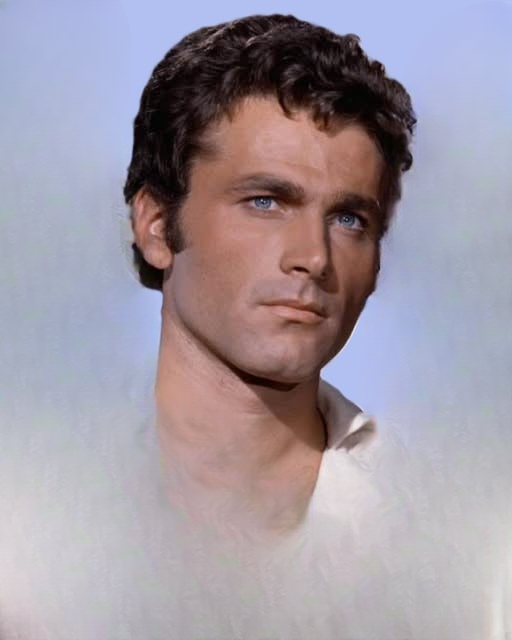
Introduction: A Career That Spans Generations
Cinema history is filled with actors who leave a brief yet memorable mark on audiences. A smaller group of performers, however, manage to build careers that stretch across decades, adapting to changes in film styles, technology, and audience expectations. One such figure is Franco Nero, whose presence on screen has remained recognizable for more than half a century.
Born Francesco Clemente Giuseppe Sparanero in 1941, Nero rose to prominence during a transformative period in European filmmaking. The 1960s were a time when directors experimented with storytelling techniques, genre boundaries began to shift, and international cinema gained a growing global audience.
Among the many roles that defined that era, Nero’s portrayal of a mysterious gunslinger in the film Django stands out as one of the most iconic. The film introduced audiences to a character who carried both quiet intensity and emotional depth, qualities that would become trademarks of Nero’s acting style.
While many performers become associated with a single role, Nero’s career has been far broader. Over the decades, he has appeared in historical dramas, action films, political thrillers, and international productions. His work reflects not only his personal talent but also the evolving nature of the film industry.
Today, Nero continues to be recognized as one of the most enduring figures of European cinema. His journey from a young actor in Italy to an internationally respected performer offers a fascinating look at how dedication and artistic passion can shape a lifetime in the arts.
Early Life and Background
Franco Nero was born on November 23, 1941, in San Prospero Parmense, a small town in northern Italy. Growing up during the years following the Second World War, he experienced a period when Italy was rebuilding both its economy and its cultural identity.
Like many young people of his generation, Nero was exposed to a rapidly changing world. Cinema, music, and literature were undergoing significant transformation during the 1950s and early 1960s.
Before entering the film industry, Nero studied economics and business at university. However, his interests gradually shifted toward the creative arts. During his studies, he became involved in student film projects and theatrical performances.
These early experiences helped him develop an appreciation for storytelling and performance.
His natural screen presence soon attracted attention from filmmakers searching for new talent in Italy’s growing film industry.
Entering the World of Cinema
Italy’s film industry during the 1960s was vibrant and innovative. Directors experimented with genres and production styles that would later influence filmmakers worldwide.
Among the most distinctive genres of that period was the “spaghetti western,” a term used to describe Western films produced primarily in Italy.
Unlike traditional American Westerns, these films often explored darker themes, complex characters, and morally ambiguous storylines.
It was within this environment that Franco Nero received the role that would change his career.
The Breakthrough Role in Django
In 1966, Nero starred in Django, directed by Sergio Corbucci.
The film introduced audiences to a mysterious drifter who arrives in a troubled frontier town while dragging a coffin behind him.
The image quickly became one of the most memorable visual symbols in Western cinema.
Unlike many action heroes of the time, Nero’s character relied less on dialogue and more on atmosphere and expression.
His calm demeanor and steady gaze communicated a sense of quiet strength.
This subtle approach made the character both intriguing and unforgettable.
Although Django was produced with a modest budget, it eventually gained international recognition and developed a dedicated following among film enthusiasts.
The film’s influence extended far beyond its original release, inspiring numerous adaptations and references in later cinema.
The Impact of the Spaghetti Western Era
The success of Django helped establish Nero as a leading actor in European Westerns.
During this period, Italian filmmakers were producing Western films that combined dramatic storytelling with distinctive visual style.
These productions often featured sweeping landscapes, dramatic music, and complex characters.
Actors like Franco Nero played an important role in bringing these stories to life.
His performance style emphasized emotion conveyed through silence and subtle facial expressions rather than lengthy dialogue.
This approach allowed audiences to interpret the character’s motivations and inner struggles in their own way.
Expanding Beyond Westerns
While the success of Django made Nero widely recognizable, he did not limit himself to a single genre.
Throughout the late 1960s and 1970s, he appeared in a wide variety of films.
These included:
-
Historical epics
-
Political dramas
-
War films
-
Romantic stories
-
International co-productions
This willingness to explore different roles allowed him to avoid being permanently associated with one type of character.
Instead, Nero developed a reputation as a versatile actor capable of adapting to diverse storytelling styles.
International Recognition
As his reputation grew, Franco Nero began working in productions outside Italy.
He appeared in films across Europe and later in Hollywood projects.
This international exposure introduced his performances to broader audiences.
During the 1970s and 1980s, many European actors sought opportunities in global cinema, and Nero became one of the most recognizable among them.
Working across different countries required adapting to new production environments, languages, and filmmaking techniques.
However, Nero’s calm and focused acting style translated effectively across cultures.
Collaboration with Influential Directors
Over the course of his career, Franco Nero worked with numerous respected directors.
Each collaboration contributed to his growth as an actor.
Directors appreciated his ability to convey complex emotions with minimal dialogue.
This skill proved especially valuable in films that emphasized visual storytelling.
Nero’s presence often added depth and intensity to the characters he portrayed.
A Career Defined by Consistency
One of the most remarkable aspects of Nero’s career is its longevity.
While many actors experience brief periods of fame followed by decline, Nero continued working steadily across multiple decades.
His filmography eventually grew to include hundreds of screen appearances.
These projects ranged from major productions to independent films and television roles.
This consistent work demonstrated his dedication to the craft of acting.
Rather than chasing trends, he focused on selecting roles that allowed him to explore different facets of storytelling.
Personal Life and Relationships
Beyond his professional career, Franco Nero’s personal life also attracted public interest.
He developed a long-standing relationship with British actress Vanessa Redgrave, known for her acclaimed performances in both film and theater.
The couple met while working on the film Camelot.
Their relationship became one of the most enduring partnerships in the entertainment world.
Over the years, they maintained both independent careers and shared creative interests.
Their story reflects the balance many artists strive to achieve between personal life and professional dedication.
Continuing Work in Modern Cinema
Even as film technology and storytelling styles evolved, Franco Nero continued to accept new roles.
In recent years, he has appeared in contemporary productions that introduce his work to younger audiences.
One notable appearance occurred in Django Unchained, directed by Quentin Tarantino.
The film paid homage to classic spaghetti Westerns and included a brief cameo by Nero himself.
This moment symbolically connected the original Django era with modern cinema.
For many viewers, it was a reminder of the lasting influence of the earlier film.
The Evolution of Acting Style
Over the years, Nero’s acting style has remained distinctive.
Rather than relying on dramatic gestures or exaggerated expressions, he emphasizes subtlety.
This understated approach often allows audiences to focus on the character’s internal emotions.
Such performances require careful control and strong screen presence.
Actors who master this style often leave a lasting impression because their portrayals feel authentic and natural.
Aging Gracefully in the Public Eye
One of the reasons audiences continue to admire Franco Nero is the way he has embraced aging with confidence.
Rather than retreating from the spotlight, he continues to participate in creative projects.
This willingness to remain active reflects a genuine love for storytelling and filmmaking.
Many fans appreciate seeing actors who continue contributing their talents throughout different stages of life.
Influence on Future Generations
Actors who build long careers often become inspirations for younger performers.
Franco Nero’s journey demonstrates that success in cinema does not depend solely on early fame.
Instead, long-term dedication, versatility, and professionalism play important roles.
Young actors studying film history frequently encounter Nero’s performances as examples of strong character portrayal.
His work in Django alone has been analyzed in film schools around the world.
The Cultural Legacy of Django
Although Nero’s career includes many memorable performances, Django remains a significant cultural milestone.
The film introduced a darker, more reflective tone to the Western genre.
Its themes of justice, revenge, and moral ambiguity resonated with audiences during a time of social change.
Over the years, the film inspired numerous follow-ups, references, and reinterpretations.
Its imagery—especially the lone gunslinger walking through mud while dragging a coffin—became an enduring symbol of cinematic storytelling.
Recognition and Awards
Throughout his career, Franco Nero has received various honors recognizing his contributions to film.
These acknowledgments celebrate both his acting ability and his influence on international cinema.
Film festivals and cultural organizations have often highlighted his achievements in retrospectives and special screenings.
Such events allow new audiences to discover classic films while celebrating the artists who created them.
Reflections on Longevity in Film
A career lasting more than five decades is rare in any profession.
In cinema, where trends shift rapidly, such longevity is particularly impressive.
Nero’s ability to adapt to changing industry conditions reflects a combination of skill, discipline, and resilience.
By remaining open to new opportunities while honoring his artistic roots, he has maintained relevance across generations.
The Enduring Appeal of Classic Film Stars
Film enthusiasts often revisit performances from earlier decades to understand how cinematic storytelling has evolved.
Actors like Franco Nero represent an important link between classic and modern filmmaking.
Their work preserves the artistic spirit of earlier eras while continuing to influence contemporary directors and performers.
For audiences, revisiting these performances offers both entertainment and historical perspective.
Conclusion: A Legacy Built on Craft and Dedication
The story of Franco Nero illustrates how an actor’s impact can extend far beyond a single role.
From his breakthrough performance in Django to his appearances in modern films, he has remained committed to the art of acting.
His career reflects a quiet but powerful form of charisma—one that relies on skill, presence, and dedication rather than constant publicity.
As cinema continues to evolve, the contributions of actors like Franco Nero remind us of the enduring value of craftsmanship in storytelling.
Through decades of performances, he has shown that true artistic influence is measured not only by fame but by the lasting impression left on audiences and the film industry alike.