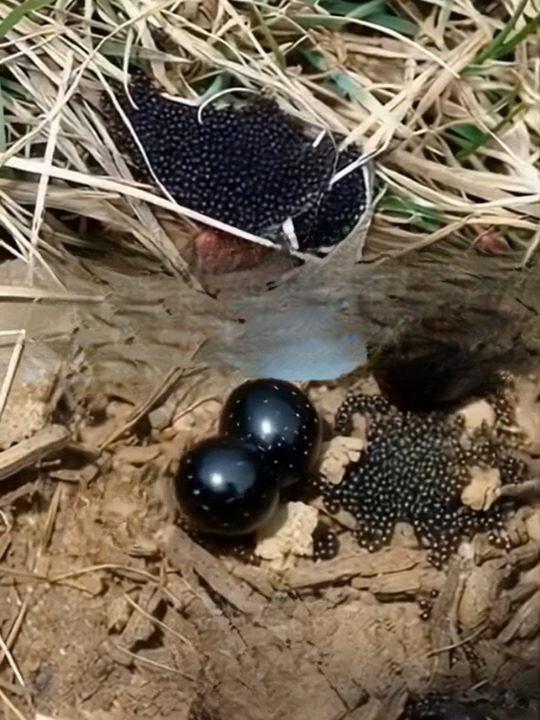
Discovering small, unfamiliar eggs scattered across your yard can be surprising and even alarming. At first glance, they may appear harmless—tiny, almost seed-like clusters resting in soil, grass, or leaf litter. However, these small eggs can sometimes belong to ticks, and their presence may signal the early stage of a much larger issue that could affect your home, family, and pets.
Ticks are small parasites that feed on the blood of animals and humans. While the adults are often easier to notice once attached to a host, their eggs are far more difficult to identify. A cluster of tick eggs in your yard can represent the beginning of a rapid population increase. Once the eggs hatch, hundreds or even thousands of young ticks can emerge and spread throughout the surrounding environment.
Because ticks are capable of transmitting serious illnesses, identifying their eggs early and taking appropriate action can help prevent potential health risks. For homeowners, gardeners, and families who spend time outdoors, understanding what tick eggs look like and how to deal with them can be an important step in protecting both people and animals.
This comprehensive guide explains what tick eggs are, how to recognize them, why they matter, and what steps you can take to reduce the risk of tick infestations around your home.
Understanding the Life Cycle of Ticks
To fully understand why tick eggs are important, it helps to know how ticks develop. Like many insects and parasites, ticks go through several stages of growth before reaching adulthood.
The typical tick life cycle includes four stages:
-
Egg
-
Larva
-
Nymph
-
Adult
The process begins when an adult female tick lays her eggs. After feeding on a host animal and becoming fully engorged with blood, a female tick drops off and seeks a protected location where she can deposit her eggs. These areas are usually moist, shaded, and protected from direct sunlight.
Common places where ticks lay eggs include:
-
Beneath leaf piles
-
Within tall grass
-
Under logs or branches
-
In soil or mulch
-
Around garden edges
Once the eggs are laid, the female tick typically dies. However, the eggs she leaves behind can number in the hundreds or even thousands.
After a few weeks—depending on environmental conditions—the eggs hatch into larvae. These tiny larvae are sometimes referred to as “seed ticks” because they are extremely small and often appear like moving specks of dust.
From that point, the young ticks begin searching for their first host.
Why Finding Tick Eggs Matters
Seeing tick eggs in your yard can be more significant than it first appears. The presence of eggs often indicates that an adult female tick was recently nearby, and where there is one tick, there may be others.
Because a single female can lay hundreds to several thousand eggs at once, a small cluster can quickly turn into a large tick population once hatching begins.
As the larvae grow, they will attach themselves to animals or birds to obtain their first blood meal. After feeding, they fall off and develop into nymphs. Eventually they mature into adult ticks capable of reproducing and repeating the cycle.
If the environment remains favorable—meaning plenty of hosts and suitable vegetation—the number of ticks in an area can increase significantly over time.
This is why identifying tick eggs early can make a major difference. Addressing the issue during the egg stage can help reduce the chances of a widespread infestation later.
What Tick Eggs Look Like
Tick eggs are extremely small and can easily go unnoticed unless they appear in large groups.
Although they vary slightly depending on the tick species, most tick eggs share several common characteristics.
Size:
Each egg is about the size of a poppy seed, making individual eggs difficult to spot with the naked eye.
Color:
Freshly laid eggs are usually pale, translucent, or slightly yellowish. As they mature, they may darken slightly.
Shape:
The eggs are typically round and smooth.
Grouping:
Unlike some insects that scatter their eggs, ticks usually lay them in dense clusters. These clusters can contain hundreds or even thousands of eggs tightly packed together.
Because of their tiny size and natural coloration, tick eggs often blend into their surroundings. They may resemble grains of sand, tiny seeds, or clusters of dust.
Most homeowners only notice them when the eggs are concentrated in a visible patch.
Where Tick Eggs Are Most Commonly Found
Ticks prefer environments that offer moisture and protection. For this reason, eggs are usually laid in shaded areas where they are less likely to dry out.
You may find tick eggs in places such as:
-
Under piles of leaves
-
Along fence lines
-
Near wooded edges of yards
-
Beneath shrubs or bushes
-
In garden beds with mulch
-
Under outdoor furniture or wood piles
Areas where wildlife frequently passes through—such as squirrels, mice, deer, or birds—are also more likely to contain ticks and their eggs.
Pets can sometimes bring adult ticks into a yard as well, allowing them to lay eggs nearby.
Why Early Detection Is Important
Once tick eggs hatch, the larvae quickly begin searching for hosts. They often climb onto blades of grass or vegetation and wait for a passing animal or person.
This behavior is known as “questing.” When a host brushes against the vegetation, the larvae attach themselves and begin feeding.
Although larvae are less likely to carry diseases initially, they can become infected after feeding on infected animals. As they grow into nymphs and adults, the risk of disease transmission increases.
Nymph ticks are particularly concerning because they are extremely small—about the size of a pinhead—and can be difficult to notice on the skin.
Because they are so small, they often remain attached long enough to transmit pathogens before being detected.
Health Risks Associated With Tick Populations
Ticks are known to carry several diseases that can affect both humans and animals. These illnesses are typically transmitted when an infected tick feeds on a host for an extended period.
Some of the most well-known tick-borne illnesses include:
Lyme Disease
Lyme disease is one of the most commonly reported tick-borne illnesses. Early symptoms may include fatigue, fever, headache, and a distinctive circular rash that sometimes resembles a bull’s-eye.
If untreated, Lyme disease can lead to joint pain, neurological issues, and other complications.
Rocky Mountain Spotted Fever
This bacterial infection can cause fever, rash, headaches, and muscle pain. In severe cases, it may lead to organ damage if not treated promptly.
Anaplasmosis
Anaplasmosis affects white blood cells and may cause flu-like symptoms such as fever, chills, muscle aches, and fatigue.
Babesiosis
This disease targets red blood cells and can lead to symptoms such as fever, chills, fatigue, and anemia.
While not every tick carries disease, the risk increases as tick populations grow in an area.
Risks for Pets and Outdoor Animals
Pets—especially dogs and outdoor cats—are particularly vulnerable to ticks because they spend time exploring grassy or wooded areas.
Ticks can attach themselves to pets during walks, outdoor play, or even while resting in the yard.
If left untreated, tick bites may lead to infections or diseases that affect animals as well.
Some common tick-related concerns for pets include:
-
Skin irritation or infection
-
Tick-borne illnesses
-
Weakness or fatigue
-
Loss of appetite
Regular tick checks and preventive treatments recommended by veterinarians can help protect pets from these risks.
What To Do If You Discover Tick Eggs
If you find a cluster of tiny eggs in your yard that you suspect may belong to ticks, it’s important to proceed carefully.
Handling them incorrectly could allow larvae to spread once they hatch.
Experts recommend the following precautions:
Avoid Direct Contact
Wear gloves whenever handling unknown insect eggs or clusters. This reduces the risk of exposure and prevents accidental spreading.
Contain the Eggs
Use a sealed container or plastic bag if you need to collect the eggs for identification or disposal.
Avoid Crushing Them
Crushing eggs can release larvae and allow them to scatter throughout the area.
Seek Professional Identification
If you are unsure whether the eggs belong to ticks, consider contacting a pest control professional or a local agricultural extension office.
These experts can help identify the eggs and recommend appropriate treatment options.
Yard Maintenance That Helps Reduce Tick Habitats
Maintaining a well-kept yard can significantly reduce the chances of ticks establishing themselves near your home.
Simple landscaping practices can make your outdoor space less appealing to ticks and the animals that carry them.
Helpful strategies include:
Keep grass trimmed
Shorter grass reduces hiding spots for ticks.
Remove leaf litter
Clearing away fallen leaves eliminates one of their preferred egg-laying locations.
Trim bushes and shrubs
This improves sunlight and airflow, which ticks tend to avoid.
Create barriers between lawn and wooded areas
Wood chips or gravel borders can help limit tick movement.
Store firewood neatly and away from the home
Wood piles can attract rodents that carry ticks.
Protecting Your Family From Tick Exposure
Even if ticks are present in your environment, simple precautions can reduce the likelihood of bites.
When spending time outdoors:
-
Wear long sleeves and long pants in wooded areas
-
Use insect repellents recommended for ticks
-
Walk in the center of trails rather than brushing against vegetation
-
Shower soon after returning indoors
Performing regular tick checks on the body—especially after outdoor activities—can help detect ticks early before they have time to attach for long periods.
Pay close attention to areas such as:
-
Behind the knees
-
Around the waist
-
Under the arms
-
Behind the ears
-
Along the hairline
For children and pets, careful inspections after outdoor play are particularly important.
When to Contact Professionals
If you notice repeated tick sightings, large clusters of eggs, or signs of infestation, professional pest control services may be necessary.
Experts can assess the situation and determine the most effective treatment approach.
They may recommend targeted yard treatments, habitat modifications, or strategies to reduce wildlife that may be carrying ticks into the area.
In some cases, local public health departments also provide guidance for residents dealing with tick concerns.
The Importance of Awareness
Finding tick eggs in your yard can be concerning, but it also offers an opportunity to take action early.
By recognizing the signs and understanding how ticks reproduce, homeowners can respond quickly and reduce the chances of large tick populations developing nearby.
Early detection, responsible yard care, and preventive measures for pets and family members all play important roles in maintaining a safe outdoor environment.
With the right information and proactive steps, it is possible to enjoy your yard while minimizing the risks associated with ticks and the diseases they may carry.