Food is usually associated with comfort, culture, celebration, and survival. Across the globe, communities have developed traditional cuisines built on local crops, seafood, spices, and wild ingredients. Most of the time, food nourishes and sustains us safely. However, some commonly consumed foods contain natural toxins that require proper preparation to avoid health risks.
It’s important to clarify something right away: these foods are not inherently “evil” or designed to harm people. In nearly every case, the danger comes from improper preparation, overconsumption, lack of awareness, or specific medical conditions. When handled correctly, most of them are safe and enjoyed by millions.
This article explores several foods that can pose health risks under certain circumstances. Rather than sensationalizing the topic, we’ll look at the science behind the risks, why people continue to eat these foods, and how proper preparation makes them safe.
1. Cassava: A Staple Crop That Requires Careful Preparation
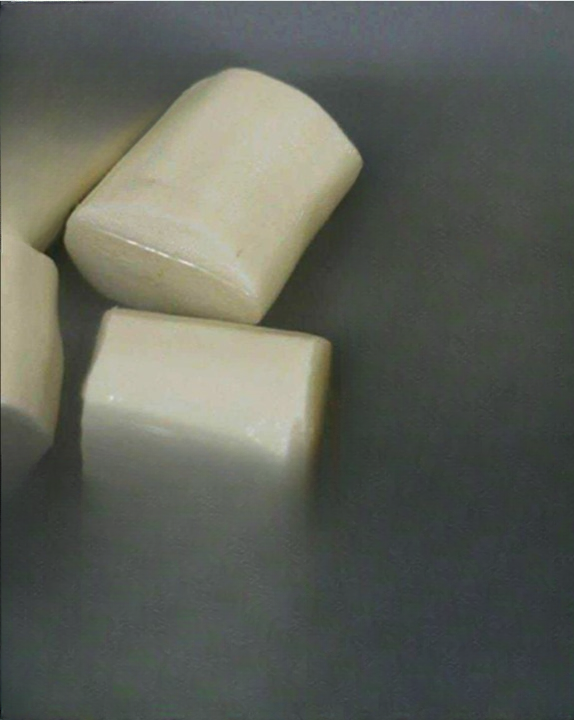
One of the most widely consumed root crops in the world is World Health Organization-reported cassava, a drought-resistant plant that feeds hundreds of millions of people across Africa, Asia, and Latin America.
Cassava roots and leaves naturally contain compounds called cyanogenic glycosides. When eaten raw or improperly processed, these compounds can release cyanide in the body. In high amounts, cyanide interferes with the body’s ability to use oxygen at the cellular level.
Why People Rely on Cassava
Despite the risks, cassava remains essential because:
-
It grows in poor soil.
-
It tolerates drought.
-
It provides affordable carbohydrates.
-
It supports food security in vulnerable regions.
For many communities, cassava is not a luxury — it is a necessity.
How It’s Made Safe
Traditional preparation methods significantly reduce toxicity:
-
Soaking
-
Fermenting
-
Drying
-
Thorough boiling
When processed correctly, cassava is safe and nutritious. Problems tend to occur during food shortages or crises when proper preparation steps are shortened.
2. Pufferfish (Fugu): A Regulated Culinary Tradition
In Japan, a delicacy known as fugu is made from pufferfish. The fish contains tetrodotoxin, a powerful neurotoxin found in certain organs.
The dish is tightly regulated in Japan, where only specially licensed chefs are legally allowed to prepare it. Training can take years, and strict safety standards are enforced.
What Makes It Risky?
Tetrodotoxin can cause:
-
Numbness
-
Muscle paralysis
-
Breathing difficulties
There is no widely available antidote, so prevention is critical.
Why It’s Still Popular
Fugu is valued for:
-
Culinary tradition
-
Skilled preparation
-
Unique texture
-
Cultural prestige
Modern regulation has dramatically reduced incidents. When prepared by certified professionals, the risk is extremely low.
3. Starfruit and Kidney Health
Starfruit is widely appreciated for its sweet-tart flavor and high vitamin C content. However, it contains compounds that can affect people with advanced kidney disease.
In individuals with healthy kidneys, the fruit is processed and eliminated without issue. But for those with severe kidney impairment, certain toxins can accumulate and potentially cause neurological symptoms.
Important Clarification
Starfruit is safe for the general population.
Those with chronic kidney disease should consult their healthcare provider before consuming it.
This highlights a broader point: some foods are risky only for specific medical conditions, not for everyone.
4. Fruit Seeds and Pits: Why Chewing Matters
Apple seeds and cherry pits contain a compound called amygdalin. When crushed or chewed, it can release small amounts of cyanide.
However, context matters:
-
Swallowing a whole pit typically poses little risk.
-
Large quantities would be required to cause serious harm.
-
The fruit flesh itself is completely safe.
The practical takeaway is simple: avoid chewing large amounts of seeds or pits. This is common-sense food safety rather than a widespread danger.
5. Green Potatoes and Solanine
When potatoes are exposed to light, they can develop a green tint. This greening indicates increased production of solanine, a natural defense compound.
In high amounts, solanine may cause:
-
Nausea
-
Digestive discomfort
-
Headaches
Serious illness is rare.
How to Avoid Risk
-
Store potatoes in a cool, dark place.
-
Discard heavily green or sprouted potatoes.
-
Peel away small green areas before cooking.
Proper storage nearly eliminates the issue.
6. Raw Cashews and Urushiol
Raw cashews in their natural state contain urushiol — the same irritant found in poison ivy. Direct contact can cause skin irritation.
However, the cashews sold in grocery stores labeled “raw” have already been heat-treated to remove the irritant. Truly untreated cashews are not sold commercially for consumption.
A Related Note
Mango skins also contain trace amounts of urushiol, which may irritate individuals sensitive to poison ivy.
For the vast majority of people, store-bought cashews are completely safe.
7. Nutmeg: Safe in Small Quantities
Nutmeg is a common spice used in desserts and beverages. It contains a compound called myristicin, which affects the nervous system when consumed in very large quantities.
Excessive consumption may lead to:
-
Nausea
-
Dizziness
-
Rapid heartbeat
-
Confusion
However, culinary use involves very small amounts — typically a fraction of a teaspoon. Problems arise only with intentional overconsumption.
As with many spices, moderation is key.
8. Wild Mushrooms: Identification Is Critical
Foraging for wild mushrooms can be rewarding, but it requires expertise. Some species are toxic, while others are edible and nutritious.
One particularly dangerous mushroom is the death cap, historically linked to accidental poisonings. It is sometimes confused with edible varieties.
According to Encyclopaedia Britannica, only a small percentage of mushroom species are deadly, but misidentification is the primary risk.
Best Practice
Unless you are an experienced forager:
-
Avoid eating wild mushrooms.
-
Purchase mushrooms from reliable markets.
-
Consult experts before consuming foraged varieties.
9. Rhubarb Leaves vs. Stalks
Rhubarb stalks are widely used in pies and jams. However, the leaves contain high levels of oxalic acid.
In very large amounts, oxalic acid can contribute to kidney problems.
The solution is straightforward:
-
Eat the stalks.
-
Discard the leaves.
This distinction has been known for generations, and rhubarb remains a safe and popular ingredient when prepared properly.
10. Raw Kidney Beans
Raw or undercooked kidney beans contain phytohaemagglutinin, a natural lectin that can cause digestive distress.
Symptoms may include:
-
Nausea
-
Vomiting
-
Stomach cramps
Fortunately, the toxin is easily neutralized.
Safe Preparation
-
Soak beans thoroughly.
-
Boil for at least 10 minutes at high temperature.
-
Avoid slow-cooking raw beans without pre-boiling.
Proper cooking completely resolves the issue.
Why Do People Continue Eating These Foods?
The answer is simple: when prepared properly, most of these foods are safe, nutritious, and culturally significant.
Key Reasons Include:
-
Cultural Tradition – Foods like fugu are deeply rooted in heritage.
-
Food Security – Cassava supports hundreds of millions.
-
Nutritional Value – Many contain vitamins, fiber, and antioxidants.
-
Flavor and Culinary Diversity – Spices and specialty foods enrich global cuisine.
-
Economic Importance – Agriculture and fisheries depend on them.
The risks are generally manageable with education and preparation.
Understanding Risk in Context
It’s easy to label certain foods as “deadly,” but that often oversimplifies the situation. Many everyday foods can be harmful under specific circumstances:
-
Drinking excessive water can be dangerous.
-
Consuming large amounts of salt can cause health issues.
-
Undercooked meat can carry bacteria.
Risk is about dose, preparation, and individual health conditions.
Most food-related illnesses worldwide stem from:
-
Improper storage
-
Contamination
-
Poor sanitation
-
Inadequate cooking
Education and safe handling practices significantly reduce these risks.
The Role of Regulation and Food Safety Standards
Modern food systems include:
-
Agricultural oversight
-
Import inspections
-
Restaurant licensing
-
Public health monitoring
Countries with strict food safety regulations have dramatically reduced incidents related to naturally toxic foods.
For example:
-
Fugu preparation in Japan is tightly controlled.
-
Commercial cashews are processed to remove irritants.
-
Food labeling often includes allergy and preparation guidance.
Global awareness continues to improve safety standards.
Lessons We Can Learn
Rather than fearing food, we can focus on informed choices.
1. Learn Proper Preparation Methods
Traditional food preparation techniques often exist for safety reasons.
2. Respect Dosage
Many substances are safe in small quantities but harmful in excess.
3. Consider Health Conditions
People with kidney disease, allergies, or other medical conditions may need dietary adjustments.
4. Store Food Properly
Preventing spoilage reduces many common risks.
5. When in Doubt, Seek Expert Advice
Especially with foraged foods.
A Balanced Perspective
Calling a food the “world’s deadliest” can attract attention, but it may not provide full context. Most foods listed here:
-
Are consumed safely by millions.
-
Only pose risks under certain conditions.
-
Become dangerous primarily when misused.
The global food landscape is complex and shaped by environment, culture, necessity, and innovation.
Final Thoughts
Food connects us to culture, family, and survival. Some ingredients require caution, knowledge, and respect — but they are not inherently forbidden.
From cassava fields feeding rural communities to carefully prepared fugu in Japan, these foods demonstrate human adaptability and culinary tradition.
The real takeaway is not fear — it’s awareness.
When we understand:
-
How food is prepared
-
Who may be vulnerable
-
Why safety practices matter
—we empower ourselves to enjoy diverse cuisines responsibly.
Have you ever tried a dish that required special preparation? Culinary traditions often carry fascinating stories about how people learned to turn potentially risky ingredients into beloved staples.
Food safety isn’t about avoiding everything unfamiliar. It’s about respecting preparation methods, cultural knowledge, and scientific understanding.
With proper care, even foods with natural toxins can be part of a safe and balanced diet.