Introduction
Across the United Kingdom, it is quite common for people to notice an increase in spider activity during certain times of the year. These seasonal changes often lead to more frequent indoor sightings, which can sometimes cause concern—especially when unfamiliar species are involved.
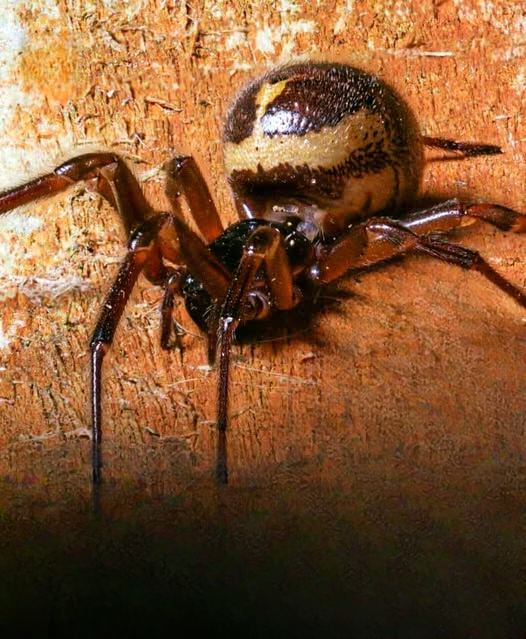
One spider that has attracted particular attention in recent years is the False Widow spider. Its name alone can sound alarming, and its appearance—dark, rounded, and somewhat glossy—may lead some people to assume it is dangerous. However, most experts and pest control professionals agree that these concerns are often overstated.
In reality, the False Widow is a relatively common spider that has adapted well to both natural and urban environments. While it is understandable that unexpected encounters with spiders can feel unsettling, learning more about their behavior, habits, and actual risk level can help reduce unnecessary anxiety.
This comprehensive guide is designed to provide clear, practical, and responsible information. It explains why sightings increase at certain times of the year, how to identify these spiders, what to do if you encounter one, and how to reduce the likelihood of them entering your home.
Understanding Seasonal Spider Activity
Spider activity in the UK is closely linked to changes in temperature and daylight hours. As the seasons shift—particularly from late summer into early autumn—many species become more visible.
This increase in activity is largely due to natural biological cycles. During this period, many spiders enter their mating season. Male spiders, in particular, become more mobile as they search for mates. This increased movement naturally leads to more frequent sightings, both outdoors and indoors.
Why Spiders Enter Homes
Spiders do not intentionally seek out humans or indoor spaces. Instead, they enter buildings for practical reasons, such as:
- Searching for shelter from cooler weather
- Following prey (such as insects attracted to light)
- Exploring new territory during mating season
Common entry points include:
- Small gaps around windows and doors
- Air vents and ventilation systems
- Cracks in walls or flooring
- Openings around pipes and cables
Because these entry points are often very small, it is easy for spiders to enter without being noticed.
Temporary Nature of Increased Activity
It is important to understand that this rise in spider sightings is usually temporary. Once the mating season passes and temperatures drop further, activity levels tend to decrease again.
Recognizing this pattern can help homeowners avoid unnecessary concern and respond more calmly to occasional sightings.
Identifying the False Widow Spider
The False Widow spider belongs to a group of spiders known scientifically as Steatoda. There are several species within this group found in the UK, with Steatoda nobilis being one of the most commonly discussed.
Key Characteristics
False Widow spiders typically have:
- A rounded abdomen
- Smooth, glossy appearance
- Dark coloration (often brown or purplish)
- Subtle cream or lighter markings on the back
They are generally smaller and less visually striking than some other well-known spider species.
Common Misidentifications
Because of their shape and color, False Widows are sometimes mistaken for more dangerous spiders. However, they are distinct in both behavior and risk level.
Understanding these differences can help reduce unnecessary fear and improve confidence when identifying spiders at home.
Behavior and Interaction with Humans
Spiders, including False Widows, are not aggressive by nature. Their primary goal is survival, which involves finding food and avoiding threats.
Typical Behavior
- They prefer quiet, undisturbed areas
- They build webs to catch prey rather than actively hunting humans
- They tend to retreat when disturbed
When Bites May Occur
In rare cases, a spider may bite if it feels trapped or threatened. This can happen if:
- A spider is accidentally pressed against the skin
- Someone attempts to handle it directly
- It becomes caught in clothing or bedding
Even in these situations, the spider is reacting defensively rather than acting aggressively.
Understanding Spider Bites: What to Expect
Although bites from False Widow spiders are uncommon, it is helpful to understand what may happen if one occurs.
Typical Reactions
Most reported bites result in mild, short-term symptoms, such as:
- Localized discomfort
- Redness or slight swelling
- A sensation similar to an insect sting
These symptoms usually resolve on their own within a short period.
Less Common Reactions
In some cases, individuals may experience:
- Mild fatigue
- Headache
- Temporary nausea
These effects are generally short-lived and not severe.
When to Seek Medical Advice
It is advisable to consult a healthcare professional if:
- Symptoms persist or worsen
- There is significant swelling or unusual reaction
- The individual has underlying health concerns
As with any bite or skin irritation, proper hygiene and observation are important.
Why Sightings Appear to Be Increasing
In recent years, more people across the United Kingdom have reported seeing spiders, particularly False Widows. However, this does not necessarily indicate a growing danger.
Several factors contribute to this trend.
1. Environmental Changes
Warmer temperatures and longer seasonal transitions can extend the active period for spiders. This means they are visible for a greater portion of the year.
2. Urban Adaptation
Spiders are highly adaptable. As natural habitats change due to development, they often move closer to human structures where food and shelter are readily available.
3. Increased Awareness
Media coverage and online discussions have made people more aware of certain species. As a result, sightings that might have previously gone unnoticed are now more likely to be reported.
Practical Steps to Reduce Indoor Encounters
While spiders are generally harmless, many homeowners prefer to minimize indoor encounters. Fortunately, there are simple and effective steps you can take.
Secure Entry Points
- Install mesh screens on windows
- Keep doors closed when possible
- Seal gaps and cracks around frames
Maintain Clean Spaces
- Regularly dust ceilings and corners
- Remove webs promptly
- Clean behind furniture and appliances
Organize Storage Areas
Spiders often prefer undisturbed spaces. Keeping areas tidy reduces potential hiding spots.
Manage Outdoor Areas
- Trim plants near walls
- Avoid letting vegetation touch the house
- Keep outdoor clutter to a minimum
Consider Natural Deterrents
Some people use scents such as peppermint or citrus oils as deterrents. While results can vary, these methods can complement other preventive measures.
What to Do If You Find a Spider Indoors
Encountering a spider can be surprising, but handling the situation calmly is important.
Recommended Approach
- Avoid direct contact
- Use a container and card to safely capture the spider
- Release it outside, away from entry points
This method is simple, humane, and effective.
When to Consider Professional Help
If you notice frequent sightings in large numbers, it may be helpful to consult a pest control professional. They can assess the situation and provide tailored advice.
Addressing Common Misconceptions
Public perception of spiders is often influenced by incomplete or exaggerated information. It is important to focus on accurate, evidence-based facts.
Key Points to Remember
- False Widow spiders are not aggressive
- Bites are rare and usually mild
- Increased sightings do not indicate increased danger
By understanding these points, homeowners can approach the topic with greater confidence and less चिंता.
The Ecological Role of Spiders
Spiders play an important role in maintaining environmental balance.
Natural Pest Control
They help control populations of insects such as:
- Flies
- Mosquitoes
- Moths
This reduces the need for chemical pest control methods.
Contribution to Biodiversity
Spiders are an essential part of the ecosystem. Their presence supports a healthy balance between species.
Preparing for Seasonal Changes
Being aware of seasonal patterns allows homeowners to take proactive steps.
Preventive Actions
- Inspect your home for gaps and openings
- Adjust cleaning routines during peak seasons
- Monitor common entry points
Preparation can significantly reduce unexpected encounters.
Long-Term Strategies for a Comfortable Home
Maintaining a spider-resistant environment does not require extreme measures.
Regular Maintenance
Routine checks and minor repairs can prevent entry points from developing.
Lighting Adjustments
Outdoor lights attract insects, which in turn attract spiders. Reducing unnecessary lighting near windows can help.
Pet Safety
Keeping living spaces clean minimizes the chance of pets encountering spiders.
Community Awareness
Sharing accurate information with others can reduce fear and promote practical solutions.
Frequently Asked Questions
Are False Widow spiders dangerous?
In general, they are not considered dangerous. Bites are rare and typically mild.
Why are they in my home?
They may enter while searching for shelter or food, especially during seasonal changes.
Should I be worried?
Seeing a single spider is usually not a cause for concern.
Encouraging a Balanced Perspective
It is natural to feel uneasy about spiders, especially if you are not familiar with them. However, understanding their behavior can help shift that perspective.
Rather than viewing them as a threat, it can be helpful to see them as part of the natural environment—one that plays a useful role in controlling pests.
Conclusion
The False Widow spider is a well-established species within the United Kingdom. While seasonal activity may make them more noticeable, they pose very little risk to humans.
By learning about their habits, maintaining your home, and responding calmly to encounters, you can manage spider activity effectively and confidently.
In the end, coexistence is not only possible—it is practical. With a balanced approach and a bit of preparation, homeowners can maintain a comfortable living space while respecting the natural role these creatures play in the environment.