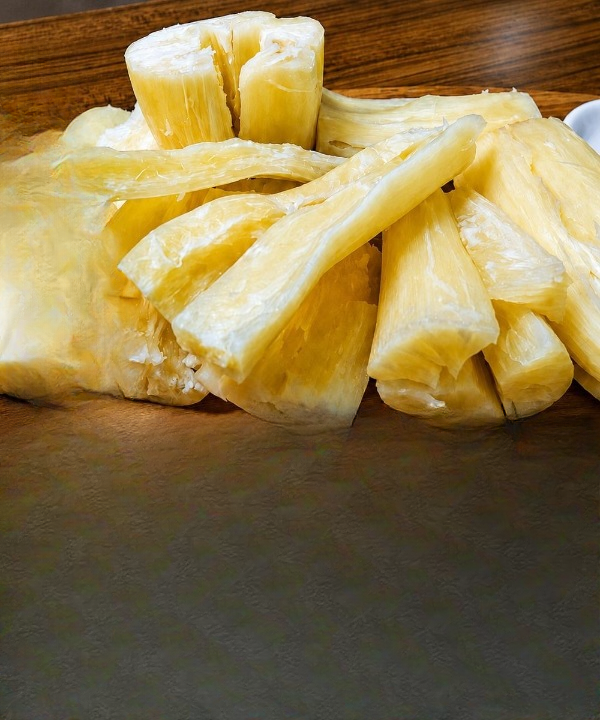
Cassava is one of the most widely consumed staple foods in the world. Found in countless traditional dishes across Africa, Asia, Latin America, and the Caribbean, this starchy root is valued for its versatility, affordability, and ability to provide long-lasting energy.
It can be boiled, fried, mashed, baked, or processed into flour, starch, and tapioca. For many families, cassava is a familiar ingredient that has been part of meals for generations.
Yet despite its popularity, cassava is not a food that should be prepared or consumed without proper knowledge.
While it can be a nutritious and satisfying addition to a balanced diet, certain mistakes in preparation, cooking, or consumption may lead to digestive discomfort and, in some cases, more serious health concerns.
Understanding how to handle cassava properly can help ensure that it remains a safe and enjoyable part of your diet.
Why Cassava Requires Special Attention
Unlike many other root vegetables, cassava naturally contains compounds known as cyanogenic glycosides.
When the plant tissue is damaged through peeling, cutting, or chewing, these compounds can break down and release small amounts of cyanide.
Fortunately, proper preparation and cooking methods significantly reduce these compounds, making cassava safe for consumption.
The problem arises when cassava is eaten raw, inadequately processed, or prepared incorrectly.
This is why understanding common mistakes is important.
Mistake #1: Eating Cassava Raw
One of the most significant mistakes is consuming raw cassava.
Raw cassava contains higher levels of naturally occurring compounds that can release cyanide during digestion.
In addition to potential toxicity concerns, raw cassava can be difficult for the digestive system to process and may cause stomach discomfort, nausea, or digestive upset.
Proper cooking helps neutralize many of these compounds and improves digestibility.
For this reason, cassava should generally be cooked thoroughly before eating.
Mistake #2: Failing to Peel It Properly
The outer layers of cassava contain higher concentrations of naturally occurring protective compounds than the inner flesh.
Simply washing the root is not enough.
The thick outer skin and underlying layer should be completely removed before cooking.
Improper peeling may leave behind substances that contribute to bitterness and digestive irritation.
Taking a few extra minutes to peel cassava thoroughly can make a meaningful difference in both safety and flavor.
Mistake #3: Not Cooking It Long Enough
Cassava should never be rushed.
Undercooked cassava may retain more of its natural compounds and can also be difficult to digest.
When boiling cassava, it is important to cook it until the flesh becomes soft and tender throughout.
Depending on the size of the pieces, this may take anywhere from 20 to 45 minutes.
Proper cooking not only improves safety but also enhances texture and taste.
Mistake #4: Consuming Large Quantities at Once
Because cassava is rich in starch and carbohydrates, eating very large portions in a single meal may overwhelm some people’s digestive systems.
This can lead to symptoms such as:
- Bloating
- Gas
- Stomach discomfort
- A feeling of heaviness after eating
Individuals who are not accustomed to high-starch foods may notice these effects more readily.
Moderation can help reduce digestive discomfort while still allowing you to enjoy cassava as part of a balanced meal.
Mistake #5: Ignoring Individual Digestive Sensitivities
Every digestive system responds differently to food.
Some individuals may tolerate cassava very well, while others may experience bloating or mild digestive issues, especially when introducing it into their diet for the first time.
People with sensitive digestive systems may benefit from:
- Starting with smaller portions
- Drinking adequate water
- Combining cassava with vegetables and protein
- Avoiding excessively fried preparations
Paying attention to how your body responds can help guide healthier eating habits.
Mistake #6: Assuming All Cassava Products Are Identical
Cassava appears in many forms, including:
- Fresh cassava root
- Tapioca pearls
- Cassava flour
- Cassava chips
- Processed starch products
Each product undergoes different preparation methods.
Some highly processed cassava-based foods may contain added sugars, fats, or sodium that can contribute to digestive discomfort when consumed excessively.
Reading labels and understanding what you’re eating can help prevent surprises.
Mistake #7: Overlooking Proper Storage
Fresh cassava can spoil relatively quickly after harvest.
Poorly stored cassava may develop quality issues that affect both flavor and digestibility.
Fresh roots should be used promptly or stored according to recommended guidelines.
If cassava develops unusual odors, discoloration, or signs of spoilage, it should not be consumed.
Proper storage helps maintain both quality and safety.
The Nutritional Benefits of Cassava
When properly prepared, cassava can be a valuable part of a healthy diet.
It provides:
- Complex carbohydrates
- Energy
- Small amounts of vitamin C
- Dietary fiber (depending on preparation)
- Essential minerals
Cassava is naturally gluten-free, making it a popular alternative for individuals who avoid wheat-based products.
Its versatility allows it to fit into a wide range of cuisines and dietary preferences.
Tips for Safer Consumption
To enjoy cassava safely and comfortably:
✔ Peel it thoroughly before cooking.
✔ Cook it completely until tender.
✔ Avoid eating it raw.
✔ Consume moderate portions.
✔ Store fresh cassava properly.
✔ Purchase products from reputable sources.
✔ Balance cassava with other nutrient-rich foods.
These simple practices can help minimize digestive issues and maximize enjoyment.
Final Thoughts
Cassava has nourished communities around the world for centuries and remains an important staple food for millions of people.
However, its familiarity can sometimes create a false sense of simplicity. Unlike many other root vegetables, cassava requires proper preparation to ensure both safety and digestibility.
Most digestive problems associated with cassava arise not from the food itself, but from mistakes in handling, cooking, or consumption.
By understanding how to prepare cassava correctly and avoiding common pitfalls, you can continue to enjoy its flavor, versatility, and nutritional benefits without unnecessary digestive discomfort.
Sometimes the safest approach to a familiar food is simply taking the time to prepare it the right way.