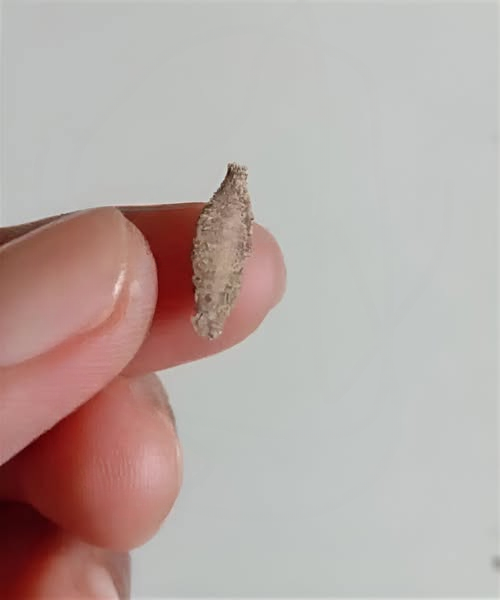
Insects are a natural part of almost every environment, including indoor spaces. Even clean and well-maintained homes can occasionally provide small hiding places or entry points for various types of insects. While this is usually not a cause for alarm, understanding where insects are more likely to appear can help homeowners maintain a more comfortable and hygienic living space.
Most indoor insect activity is not related to poor cleanliness alone. Instead, it is often influenced by factors such as moisture, warmth, food availability, and easy access points into the home. By identifying common areas where insects tend to gather, it becomes easier to manage and reduce their presence in a practical way.
Kitchens: A Natural Attraction Point for Insects
The kitchen is one of the most common areas where insects may be found indoors. This is primarily because it provides easy access to food particles, moisture, and warmth—all of which attract different types of pests.
Crumbs on countertops, unsealed food containers, and small spills can all serve as food sources. Even small amounts of residue under appliances or inside cabinets may attract insects over time if not cleaned regularly.
In addition, sinks and drains can retain moisture, creating an environment that some insects prefer. Regular cleaning, proper food storage, and maintaining dry surfaces can significantly reduce the likelihood of insect activity in this area.
Bathrooms: Moisture-Rich Environments
Bathrooms naturally contain higher levels of humidity due to showers, baths, and running water. This moisture can make them appealing to certain insects that thrive in damp conditions.
Areas around sinks, bathtubs, and drains are especially important to monitor. Even small leaks or condensation can create a suitable environment for insects to stay hidden during the day.
Improving ventilation, fixing leaks promptly, and keeping surfaces dry can help reduce the likelihood of insects settling in bathroom spaces.
Storage Areas and Cluttered Spaces
Storage rooms, closets, basements, and attics are often overlooked when it comes to regular cleaning. These spaces may provide darkness, still air, and limited disturbance, which can make them attractive hiding spots for insects.
Cardboard boxes, old clothing, and unused items can also create small gaps where insects may hide unnoticed. In some cases, these materials can even serve as nesting areas.
Organizing storage spaces, reducing clutter, and inspecting stored items periodically can help prevent insects from establishing themselves in these areas.
Cracks, Gaps, and Entry Points
Small structural gaps in walls, doors, and windows can serve as entry points for insects. Even homes that appear well-sealed may have tiny openings that are not immediately visible.
Insects often enter through spaces around plumbing lines, vents, or poorly sealed windows. Once inside, they tend to move toward areas where food, moisture, or shelter is available.
Sealing cracks, installing door sweeps, and using window screens are effective preventive steps that can reduce indoor insect entry.
Living Rooms and Bedrooms
While living rooms and bedrooms are generally less prone to insect activity compared to kitchens and bathrooms, they are not completely immune. Insects may occasionally be found in these areas if they are seeking warmth or shelter.
Items such as rugs, furniture gaps, curtains, and under-bed spaces can provide temporary hiding spots. In most cases, these occurrences are occasional rather than consistent.
Regular vacuuming, cleaning behind furniture, and maintaining general household hygiene can help minimize the chances of insects appearing in these spaces.
Light Sources and Warm Areas
Certain insects are naturally attracted to light or warmth. This is why they may sometimes be found near lamps, windows at night, or electronic devices that generate heat.
In warmer months, open windows and indoor lighting can increase the likelihood of insects entering or gathering near these areas. While this behavior is usually harmless, it can be reduced by using window screens or minimizing unnecessary lighting near open entry points.
Preventive Measures for a More Comfortable Home
Maintaining a clean and well-ventilated home is one of the most effective ways to reduce indoor insect activity. Simple habits such as wiping surfaces regularly, taking out trash frequently, and storing food properly can make a noticeable difference.
Addressing moisture issues is also important. Fixing leaks, drying wet surfaces, and improving airflow can help eliminate conditions that attract insects.
In addition, periodic inspection of less-used areas such as basements, storage rooms, and behind appliances can help identify potential issues early.
Understanding Insects in Indoor Environments
It is important to recognize that the presence of insects indoors is not always a sign of a serious problem. In many cases, it is a natural result of environmental conditions such as weather changes, seasonal activity, or accidental entry.
Instead of focusing on fear or concern, a practical approach involves understanding where insects are likely to appear and taking simple preventive steps to limit their presence.
Final Thoughts
Insects can occasionally be found in various areas of the home, particularly in places that offer moisture, warmth, or food access. Kitchens, bathrooms, storage areas, and hidden structural gaps are among the most common locations.
By maintaining regular cleaning habits, reducing clutter, and sealing potential entry points, homeowners can significantly reduce indoor insect activity. Most importantly, staying aware of these common hotspots allows for early prevention and a more comfortable living environment.