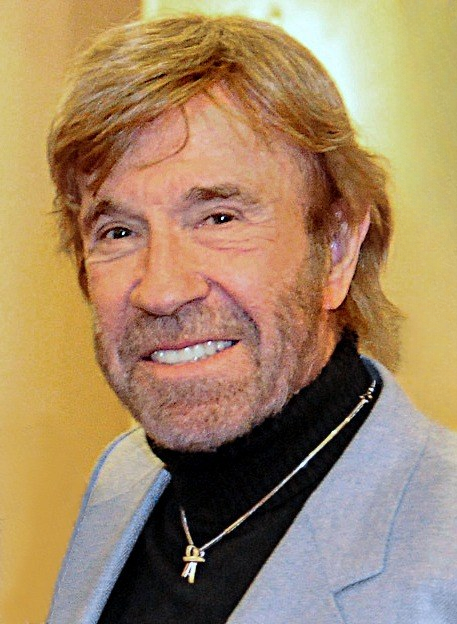
The landscape of entertainment and martial arts is undergoing a moment of profound reflection with the news of the passing of Chuck Norris at the age of 86. Over the span of more than fifty years, Norris evolved into much more than a figure on the silver screen; he became a symbol of resilience, an architect of action cinema, and an emblem of the disciplined, moral warrior archetype. From the open plains of Texas to the vast digital spaces of the modern internet, the name Chuck Norris transformed into a global brand synonymous with skill, integrity, and the pursuit of excellence.
Early Life and Formative Years
Born in 1940 in Ryan, Oklahoma, Chuck Norris grew up far from the Hollywood spotlight. His childhood was marked by modest means and the challenges typical of mid-20th century rural America. Yet even in these humble beginnings, a sense of determination and focus began to emerge—a foundation that would later define his life. It was during his years in the United States Air Force that Norris first encountered martial arts, a practice that would come to dominate both his professional and personal life.
Training rigorously, Norris discovered not only the physical techniques of martial arts but also the philosophical underpinnings that emphasize self-discipline, respect, and integrity. He studied multiple disciplines, ultimately earning black belts in several styles, including Taekwondo, Tang Soo Do, and Brazilian Jiu-Jitsu. These achievements did not simply signify mastery of technique; they reflected a dedication to lifelong learning and personal development.
Before fame came knocking, Norris was a teacher, sharing his knowledge with students who would later go on to compete in national and international competitions. He understood that martial arts were more than combat—they were a pathway to mental clarity, moral strength, and human resilience.
Breaking into Cinema
Norris’s transition from dojo to movie set was marked by authenticity. Unlike many actors whose action sequences relied heavily on special effects or stunt doubles, Norris brought genuine technical expertise to every scene. His movements were precise, and his understanding of combat made him an immediate standout in the genre.
Perhaps the most famous moment of his early cinematic career came in the 1972 film Way of the Dragon, where he faced Bruce Lee in a now-iconic fight sequence. This encounter, widely celebrated by martial arts enthusiasts and film historians, represented a bridging of Eastern and Western combat philosophies. The fight was not only a display of physical skill but also a demonstration of discipline, timing, and respect between practitioners—a rare authenticity that elevated action cinema of the era.
Over the years, Norris appeared in numerous films that helped define the action genre, from Lone Wolf McQuade to The Octagon. Each role reinforced his reputation as a figure who embodied not just strength but moral clarity, often portraying characters who used their abilities to uphold justice.
Television and Cultural Influence
While his films established Norris as an action star, it was the television series Walker, Texas Ranger that solidified his place in popular culture. Premiering in 1993, the show portrayed Norris as Cordell Walker, a lawman guided by a strict moral compass and unwavering courage. Audiences were drawn to Walker’s calm authority, his commitment to justice, and his demonstration that action could be both thrilling and principled.
Walker, Texas Ranger became a cultural touchstone, running for eight seasons and reaching millions of households across the United States and beyond. It wasn’t just entertainment; it was a model of storytelling where heroism was defined by consistency, ethical clarity, and personal integrity rather than flashy gimmicks or over-the-top spectacle.
Norris’s influence extended beyond the screen. Through public appearances, interviews, and martial arts demonstrations, he became a figure of mentorship and inspiration. He emphasized that real strength came from self-discipline, mental fortitude, and dedication to a cause greater than oneself.
The Digital Age and Internet Fame
Interestingly, one of the most unusual chapters in Norris’s life began decades after his peak cinematic years. In the early 2000s, a series of internet “Chuck Norris Facts” went viral. These humorous exaggerations—claims like Norris “doesn’t sleep; he waits”—transformed him into a larger-than-life, mythical figure for a new generation.
Unlike many celebrities who resist being meme-ified, Norris embraced the humor with good-natured self-awareness. His willingness to participate in the joke revealed another side of his character: humility, humor, and the ability to connect with audiences across generations. This resurgence of popularity ensured that he remained culturally relevant well into the digital era, proving that a strong personal brand built on discipline and integrity could translate even into playful, exaggerated online fame.
Contributions Beyond Entertainment
While Norris is best known for martial arts and acting, his contributions extend into philanthropy, advocacy, and community engagement. Over the years, he has supported numerous charitable causes, particularly those benefiting children, veterans, and at-risk communities. His public platform became a tool for positive impact, demonstrating that celebrity can be leveraged to create meaningful change.
Moreover, Norris’s emphasis on personal discipline and ethical conduct has inspired countless individuals to pursue martial arts not merely as a sport but as a path to personal growth. His instructional books, seminars, and online content continue to provide guidance to students worldwide, reinforcing the idea that true strength encompasses mind, body, and spirit.
Legacy and Reflection
Reflecting on Norris’s life, it becomes clear that his legacy is multifaceted. He was a veteran who served his country, a champion martial artist who elevated his disciplines, a pioneering actor who set new standards for action cinema, and a philanthropist who used his platform for the greater good. His journey illustrates the power of discipline, the importance of ethical action, and the enduring value of dedication over fleeting fame.
In a world often obsessed with instant celebrity, Norris’s example offers a counterpoint: the rewards of patience, consistent effort, and principled living. Whether through the quiet lessons of martial arts, the thrilling sequences of action films, or the humorous folklore of internet memes, his impact is both broad and enduring.
Even in the wake of his passing, the lessons he imparted remain. Future generations will encounter his work on streaming platforms, read about his achievements in martial arts history, and discover the humorous “facts” that capture his larger-than-life persona. In each of these instances, they will find a consistent message: strength is rooted in discipline, courage is founded on ethical action, and the influence of a life well-lived can ripple across time and culture.
The Cultural Significance of Chuck Norris
To understand Norris’s impact, one must consider the era in which he rose to fame. The late 20th century was a period of transformation in entertainment, with action cinema becoming a dominant genre and martial arts gaining unprecedented popularity in the West. Norris’s combination of skill, authenticity, and moral clarity made him an ideal figure to bridge these worlds.
Unlike other action stars who relied solely on spectacle, Norris demonstrated that combat could be both thrilling and intellectually engaging. His work highlighted strategy, timing, and ethical decision-making, emphasizing that true heroism involves more than physical prowess—it requires judgment, responsibility, and respect for others.
Moreover, his ability to maintain relevance across generations—from his cinematic debut to internet memes—speaks to a rare kind of cultural resilience. Norris became more than an actor; he became a symbol of values that remain timeless: dedication, integrity, and the relentless pursuit of excellence.
Conclusion: A Life That Continues to Inspire
Chuck Norris’s passing marks the end of an era in entertainment and martial arts, but his influence endures. His life was a testament to the transformative power of discipline, the impact of ethical action, and the reach of a well-crafted personal legacy. He leaves behind a world enriched by his contributions, from the dojo to the cinema, from charitable initiatives to the digital playgrounds of humor and storytelling.
As fans, students, and admirers reflect on his life, the central lesson is clear: greatness is cultivated through consistency, humility, and an unwavering commitment to principles. Chuck Norris was more than a celebrity—he was an exemplar of human potential, showing that the combination of skill, integrity, and heart can leave a mark that lasts long after the final curtain falls.
In the ongoing history of martial arts and entertainment, his legacy is immortal. In dojos around the world, in homes streaming his films, and in the countless jokes that honor him with affection, Chuck Norris’s spirit continues to inspire. A warrior, a teacher, a hero, and a cultural icon—his life was a blueprint for excellence that will resonate for generations to come.