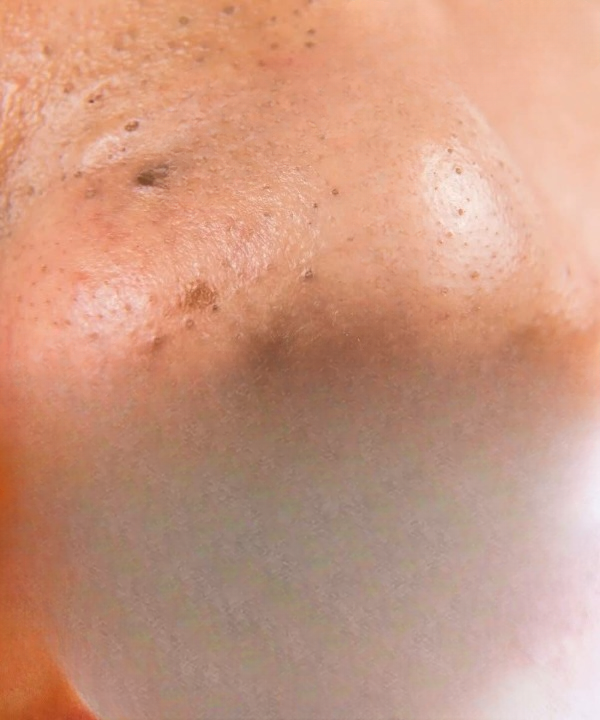
Blackheads are one of the most common skin concerns worldwide. They often appear on the nose, chin, and forehead, and can be frustrating to manage. Because they are so visible, many people look for quick and simple solutions online, especially home remedies that promise fast results with minimal effort.
One popular method that has circulated through social media and beauty blogs involves using petroleum jelly (commonly known as Vaseline) combined with cleansing oil and heat. This approach is often promoted as a way to “pull out” blackheads easily at home.
But before trying any skincare trend, it is important to understand what blackheads actually are, how they form, and what methods are truly effective and safe.
What Are Blackheads, Really?
Blackheads are a type of acne known as open comedones. They form when pores become clogged with a mixture of:
- Excess oil (sebum)
- Dead skin cells
- Dirt and environmental particles
Unlike whiteheads, blackheads remain open at the surface. The dark color is not dirt trapped inside the pore, but rather the result of oxidation—when trapped oil and skin cells react with air.
Blackheads are especially common in areas with more oil glands, such as the nose and forehead.
Why Blackheads Are So Difficult to Remove
Many people assume blackheads can be “pulled out” instantly, but in reality, they are part of a deeper pore structure. Several factors make them persistent:
- Ongoing oil production
- Natural buildup of dead skin cells
- Hormonal changes
- Improper cleansing routines
- Use of heavy or pore-clogging products
Because pores continuously produce oil, blackheads can reappear even after removal if the underlying causes are not addressed.
The “Vaseline + Oil Cleansing” Trend Explained
A popular online method suggests using petroleum jelly combined with cleansing oil, heat, and gentle rubbing to soften and remove blackheads from the nose area.
The basic idea behind the method
This routine is usually based on several steps:
- Applying a thick layer of petroleum jelly to the nose
- Covering the area to trap warmth
- Applying warm compresses to soften skin
- Using cleansing oil to dissolve residue
- Gently massaging the area
- Rinsing thoroughly with a cleanser
- Finishing with skincare products to soothe the skin
The concept is that heat and oil can soften the contents inside pores, making blackheads easier to dislodge.
How Each Ingredient Is Believed to Work
Petroleum Jelly (Vaseline)
Petroleum jelly is an occlusive moisturizer, meaning it forms a protective barrier on the skin and helps lock in moisture.
It does not “draw out” blackheads, but it may:
- Soften the outer layer of skin
- Reduce dryness or irritation
- Create a smoother surface temporarily
However, it is important to note that petroleum jelly itself does not clean pores or remove sebum buildup.
Cleansing Oil
Cleansing oils are designed to dissolve oil-based impurities such as makeup, sunscreen, and excess sebum.
They work on the principle that “oil dissolves oil,” helping to:
- Break down surface oil
- Loosen debris on the skin
- Prepare skin for further cleansing
Cleansing oils can be effective as part of a proper skincare routine, especially when followed by a gentle cleanser.
Heat or Warm Compress
Warm compresses are often used in skincare routines because heat can:
- Temporarily soften skin oils
- Open pores slightly (in a temporary, non-physical sense)
- Increase circulation in the area
However, pores do not actually “open and close” like doors. Heat simply makes sebum easier to soften and remove from the surface.
Does This Method Really Remove Blackheads?
This is where expectations need to be realistic.
While the Vaseline + oil + heat method may:
- Loosen surface debris
- Make the skin feel cleaner
- Temporarily reduce the appearance of clogged pores
It does NOT:
- Remove blackheads from the root
- Permanently clear pores
- Prevent blackheads from returning
Blackheads form inside the pore structure, and only consistent skincare habits can reduce them over time.
What Dermatologists Actually Recommend
Skincare professionals generally recommend evidence-based treatments for blackheads rather than mechanical home extraction methods.
Common effective ingredients include:
1. Salicylic Acid (BHA)
- Penetrates into pores
- Helps dissolve oil and dead skin buildup
- One of the most effective blackhead treatments
2. Retinoids
- Increase skin cell turnover
- Prevent clogged pores
- Improve long-term skin texture
3. Gentle Cleansing
- Removes excess oil without stripping the skin
- Prevents further buildup
4. Non-comedogenic skincare products
- Designed not to clog pores
Risks of DIY Blackhead Removal Methods
Although home remedies may seem harmless, some techniques can actually irritate the skin.
Potential risks include:
- Skin irritation or redness
- Damage to the skin barrier
- Enlarged pores due to excessive pressure
- Increased oil production as a reaction to irritation
- Temporary improvement followed by rebound congestion
Rough extraction or frequent rubbing can make the problem worse over time.
Why Blackheads Keep Coming Back
Even after removal, blackheads often reappear because:
- Skin continues to produce oil naturally
- Dead skin cells continue to shed
- Environmental exposure persists
- Hormones fluctuate over time
This is why long-term skincare is more effective than one-time removal techniques.
Safer and More Effective Way to Manage Blackheads
Instead of relying on quick fixes, a more effective routine includes:
Daily care:
- Gentle cleanser twice daily
- Lightweight, non-comedogenic moisturizer
- Sunscreen during the day
Weekly care:
- Mild chemical exfoliation (like salicylic acid)
- Occasional clay masks to absorb oil
Long-term care:
- Consistent skincare routine
- Avoiding pore-clogging cosmetics
- Managing oil production rather than aggressively stripping skin
The Role of Social Media Skincare Trends
Many viral skincare methods gain popularity because they promise fast, visible results. However, not all trends are supported by dermatological research.
While some home techniques may provide temporary cosmetic improvements, they should not replace scientifically supported skincare practices.
It is always important to evaluate whether a method:
- Has clinical backing
- Is safe for repeated use
- Is appropriate for your skin type
Final Thoughts
The combination of Vaseline, cleansing oil, and heat may make the skin feel temporarily smoother and cleaner, but it does not provide a permanent solution for blackheads.
Blackheads are a structural skin issue related to oil production and pore function, not something that can be fully “pulled out” in a single step.
A consistent skincare routine using proven ingredients like salicylic acid, retinoids, and gentle cleansing is far more effective for long-term results.
Ultimately, while DIY methods can be interesting and sometimes helpful for surface cleansing, healthy skin maintenance depends on regular care rather than quick fixes or viral trends.