It started with something ordinary.
A phone buzzing on a kitchen counter. A quick glance at the screen. An unfamiliar number.
For most people, it feels harmless—just another missed call in a world where everyone is always reachable.
But that small moment of curiosity is exactly what scammers depend on.
In today’s digital world, phone scams are no longer obvious or clumsy. They are carefully designed, emotionally targeted, and surprisingly convincing. And the most dangerous part is not the technology they use—it’s how naturally they exploit human behavior.
The New Reality of “Always Connected”
Phones have changed the way we live. We respond instantly to messages, answer calls while multitasking, and often feel a subtle pressure not to ignore unknown numbers.
Scammers understand this better than anyone.
They rely on urgency and reflex.
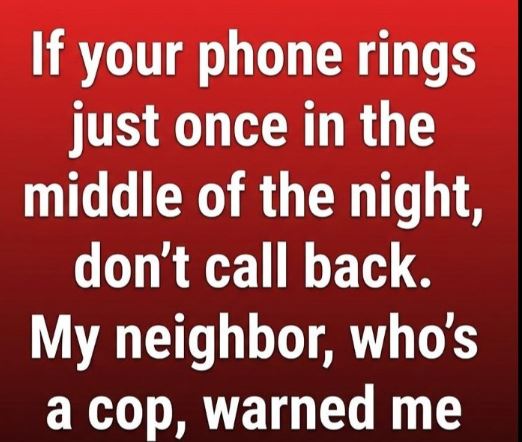
A missed call becomes a question in your mind: Who was that? Did I miss something important?
That single thought is often enough to trigger a callback.
And that’s where the trap begins.
Some scam operations use premium-rate numbers, where every minute costs money. Others simply use that interaction to confirm your number is active. Once confirmed, your contact information can be shared, sold, or targeted repeatedly.
In other words, answering once can open the door to many more attempts.
The Trick Behind Fake Caller ID
One of the most deceptive tools in modern phone scams is caller ID spoofing.
This technology allows scammers to disguise their number so it looks like it’s coming from a trusted source.
It might appear to be:
- A bank or credit union
- A government agency
- A delivery service
- A utility company
- Or even someone in your contact list
At first glance, everything looks legitimate. The number matches what you expect. The name may even appear correctly on your screen.
That’s what makes it so effective.
But the goal is simple: create trust before doubt has time to form.
Once trust is established—even briefly—the conversation shifts toward extracting information or pushing you into action.
The Most Common Red Flags People Miss
Phone scams don’t always sound suspicious. In fact, the best ones sound completely normal.
But there are patterns that often appear once you know what to look for.
1. Pressure to act immediately
Scammers often say things like your account will be locked, a legal action is pending, or you must respond “right now.” The urgency is intentional. It reduces your ability to think critically.
2. Requests for sensitive information
Legitimate organizations rarely ask for full passwords, banking details, or verification codes over the phone. Scammers do—because that information gives them direct access.
3. Unfamiliar or unexpected contact
If you didn’t initiate the conversation and weren’t expecting a call, treat it with caution.
4. Unusual payment methods
Gift cards, cryptocurrency, or wire transfers are commonly requested because they are difficult to trace or reverse.
5. Vague or inconsistent explanations
Scammers often avoid details. If the story keeps changing or doesn’t fully make sense, that’s a warning sign.
Individually, these may not confirm a scam. But together, they form a pattern that should never be ignored.
What To Do If You Answer a Suspicious Call
The first rule is simple: don’t panic.
Scammers rely heavily on emotional reactions. Fear, confusion, or urgency can push people into decisions they normally wouldn’t make.
If you pick up a suspicious call:
Stay calm and don’t share personal details
Ask for written verification or official contact information
End the call if anything feels off
Take note of the number and time of the call
Even a short conversation can provide scammers with useful signals, so ending the call early is often the safest option.
The Hidden Financial Target
While many scams begin with information gathering, the end goal is often financial.
Scammers may attempt to collect:
- Bank account numbers
- Credit card information
- Online banking credentials
- One-time security codes
- Payment through untraceable methods
What makes this especially dangerous is that scammers often present themselves as helpful or official. The tone can be calm, professional, and confident.
But legitimacy is not about tone—it’s about verification.
If you didn’t initiate the contact, always assume caution first.
What to Do After a Suspicious Interaction
Even if nothing was shared, taking follow-up steps can help protect you.
It’s smart to:
Monitor bank and credit activity for unusual changes
Enable transaction alerts where possible
Change passwords for sensitive accounts if you feel uncertain
Use two-factor authentication for added protection
Report the number to your carrier or relevant authorities
These steps don’t just respond to risk—they reduce future vulnerability.
Technology That Can Help Protect You
While scammers are evolving, so are defensive tools.
Modern smartphones and apps now offer several layers of protection.
Call-blocking features can automatically filter known scam numbers. Many devices also label suspicious calls as “spam” or “potential fraud” before you even answer.
Additional tools include:
Spam detection systems built into mobile networks
Call filtering apps that identify suspicious patterns
Security features like two-factor authentication
Regular software updates that patch vulnerabilities
No tool is perfect on its own, but combined, they significantly reduce exposure.
Why People Fall for Scams (Even Smart People)
One of the biggest misconceptions about phone scams is that only “careless” people fall victim.
In reality, scammers don’t rely on intelligence—they rely on psychology.
They target emotions like:
Fear: “Your account has been compromised.”
Urgency: “Act immediately or lose access.”
Curiosity: “You’ve won a reward.”
Authority: “This is your bank calling.”
These triggers bypass logic and go straight to reaction.
Even cautious individuals can respond impulsively when pressured or surprised.
That’s why awareness matters more than confidence.
The Power of Slowing Down
The simplest defense against most scams is also the most effective: pause.
A real organization will not punish you for verifying their identity.
A scammer will often push you to skip that step.
That difference is everything.
Taking even 10–20 seconds to think, verify, or hang up can completely change the outcome of an interaction.
Long-Term Habits That Build Protection
Staying safe from phone scams isn’t about reacting once—it’s about building habits.
Helpful long-term practices include:
Regularly reviewing financial statements
Avoiding sharing personal details on public platforms
Educating family members, especially older relatives
Keeping privacy settings strict on social media
Staying informed about new scam techniques
Scam methods evolve constantly, but awareness evolves too.
A Subtle but Important Truth
Most phone scams don’t succeed because of technology.
They succeed because they interrupt normal thinking patterns.
A surprising call. A stressful message. A convincing voice.
All designed to make you act before you question.
But once you recognize that pattern, you gain something powerful: control over the moment.
Final Thoughts
Phone scams are not just technical threats—they are behavioral traps.
They depend on trust, urgency, and distraction. And they only work when those elements go unchallenged.
But awareness changes everything.
When you slow down, verify information, and refuse pressure, you break the cycle scammers rely on.
The goal is not to become suspicious of everything—it’s to become intentional with your responses.
Because in a world where anyone can call you at any time, the real protection isn’t just in your phone.
It’s in your awareness.