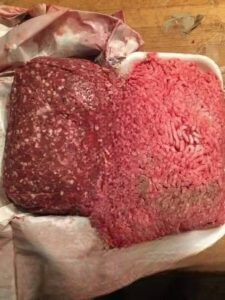
For decades, supermarkets have depended on one powerful factor to keep customers coming back week after week: trust. When shoppers walk through sliding glass doors, push a cart down bright aisles, and select neatly wrapped packages from refrigerated shelves, they assume the information printed on the label is accurate. They expect that the price reflects the quality, that the description matches the contents, and that the food they bring home is handled according to proper standards.
In recent years, however, many consumers have begun asking more questions about how food moves from farm to store. This growing curiosity is not rooted in fear, but in awareness. As supply chains have expanded and global trade has increased, the journey from producer to plate has become more complex than ever before. With complexity comes the possibility of confusion — especially when it comes to labeling, sourcing, and grading.
Rather than assuming the worst, it is far more productive to understand how the system works, where misunderstandings can happen, and how shoppers can make informed decisions. This article explores concerns that have circulated among consumers about meat labeling and quality, clarifies what is known about supply chains, and offers practical steps you can take to shop with greater confidence.
Why Some Shoppers Have Started Asking Questions
Across various communities, some shoppers have reported noticing differences in texture, moisture levels, or overall consistency in certain packaged meats. For example:
-
Chicken releasing more liquid than expected during cooking
-
Ground beef shrinking significantly in the pan
-
Steaks varying in tenderness from one purchase to the next
It’s important to understand that variations in meat quality can occur for many legitimate reasons. Differences in animal diet, seasonal changes, storage conditions, and processing techniques can all influence texture and moisture content. In many cases, these differences are normal and not indicative of wrongdoing.
However, when enough consumers begin noticing patterns, it naturally sparks discussion. Social media, online forums, and review platforms have made it easier than ever for shoppers to compare experiences. When people share observations, others begin to look more closely at their own purchases.
That doesn’t automatically mean deception is occurring — but it does highlight how important transparency is in maintaining consumer trust.
Understanding the Modern Meat Supply Chain
To make sense of these concerns, it helps to understand how meat typically moves through the supply chain.
-
Farms and Ranches – Animals are raised under various agricultural systems, including small family farms, regional operations, and large-scale producers.
-
Processing Facilities – Animals are processed, graded, and prepared for distribution.
-
Distributors and Suppliers – Large distributors often handle packaging, labeling, and transportation to retailers.
-
Retailers (Supermarkets and Butchers) – Stores receive packaged or bulk meat and sell it to consumers.
Because multiple companies are involved before the product reaches the shelf, labeling accuracy depends on proper documentation and oversight at every stage. Supermarkets often rely on supplier certifications, inspections, and regulatory compliance standards to ensure accuracy.
When misunderstandings arise, they typically involve grading terminology, sourcing descriptions, or blended products — not necessarily safety issues.
The Difference Between Safety and Quality Concerns
It’s crucial to separate two very different issues:
-
Food safety refers to whether a product is safe to consume.
-
Quality or labeling transparency refers to whether the product matches the expectations created by its description.
Government agencies such as the U.S. Department of Agriculture (USDA) and the Food and Drug Administration (FDA) oversee food safety regulations in the United States. Their primary role is to ensure that meat products are processed under sanitary conditions and free from harmful contamination.
Concerns about grading, sourcing, or blended meats typically relate to transparency and marketing clarity rather than safety. That distinction matters. The vast majority of meat sold in regulated supermarkets must meet established safety standards.
However, consumers still have the right to expect honest labeling about grade, origin, and production methods.
Why Meat Quality Can Vary
If you’ve ever purchased two similar-looking packages of meat that cooked differently, several factors may explain it:
1. Water Retention and Processing
Some poultry products are labeled as “enhanced” or “contains up to X% solution.” This means a saltwater or flavor solution has been added to improve tenderness or shelf life. The additional moisture can result in more liquid during cooking.
These additions are required to be disclosed on labels, but the print can be small.
2. Grading Differences
Beef in the U.S. is graded by quality, such as Prime, Choice, or Select. Even within the same grade, marbling and tenderness can vary slightly.
3. Blended Sourcing
Large distributors may combine products from multiple farms or regions to maintain consistent supply. This practice is common in global food markets and does not necessarily imply lower standards — but consumers may prefer clearer sourcing information.
4. Storage and Handling
Temperature fluctuations during transportation or storage can impact texture, even when safety guidelines are followed.
The Role of Imported Meat
Global trade allows countries to import and export meat products to meet demand. Imported meat sold in the U.S. must meet federal inspection standards. However, labeling rules for country of origin have changed over time, leading to confusion among shoppers.
Some products may state “Processed in the USA” even if components originated elsewhere. That phrase generally refers to where final preparation or packaging occurred, not necessarily where the animal was raised.
For consumers who prioritize domestic sourcing, reading the fine print carefully is essential.
Why Transparency Matters
Even when products are safe, unclear labeling can create frustration. Words like:
-
Natural
-
Farm-raised
-
Premium
-
Fresh
-
No added hormones
may have specific regulatory definitions — or in some cases, limited legal meaning. Marketing language can influence perception more than substance.
Consumers today are more informed and more curious than ever before. They want:
-
Clear country-of-origin labeling
-
Transparent grading standards
-
Honest ingredient disclosures
-
Consistent quality
Trust is easier to maintain when information is straightforward.
Practical Steps for Smart Meat Shopping
Rather than assuming deception, shoppers can take proactive steps to make confident choices:
1. Read Labels Carefully
Look beyond the bold print. Check for:
-
“Contains solution” disclosures
-
Country-of-origin statements
-
Grade designations
2. Ask Questions
If your store has a butcher counter, ask about sourcing. Many retailers are happy to provide details.
3. Consider Local Options
Local butcher shops and farmers’ markets often provide more direct sourcing information.
4. Compare Brands
Some brands emphasize traceability and publish sourcing details on their websites.
5. Pay Attention to Recalls
Food recalls are publicly reported and can provide insight into quality control practices.
The Bigger Picture: A Trust Conversation
The broader issue isn’t about fear — it’s about confidence. Consumers want reassurance that marketing claims align with reality. They want to feel informed rather than confused.
Large supermarket chains operate within vast supply networks. While retailers may not directly control every step of processing, they are responsible for the products they place on shelves. Many chains have strengthened auditing procedures and supplier standards in response to consumer demand for clarity.
Regulatory agencies periodically review labeling practices and update rules to improve transparency. Industry standards continue evolving as public awareness grows.
What This Means for Families
For families managing tight grocery budgets, value matters. If you pay for a premium cut, you expect premium quality. When products vary unexpectedly, it can feel frustrating — especially when food costs are already rising.
The good news is that most meat sold through regulated supermarkets meets established safety guidelines. Differences in cooking behavior are often due to processing variations rather than misconduct.
Still, asking questions and paying attention encourages accountability across the industry. Consumer awareness plays a powerful role in shaping better practices.
Building Trust Going Forward
Trust in food systems is built over time through:
-
Transparent labeling
-
Clear regulatory standards
-
Honest marketing
-
Responsive customer service
Supermarkets that communicate openly with customers tend to retain loyalty more effectively than those that rely solely on branding.
Meanwhile, consumers who stay informed — without jumping to worst-case assumptions — can navigate the marketplace confidently.
Final Thoughts
It’s easy for alarming headlines to spread quickly, especially online. But the reality is usually more nuanced than a single dramatic claim suggests.
The takeaway isn’t that supermarkets are secretly selling unsafe meat. Rather, it’s that food supply chains are complex, and labeling language can sometimes create misunderstandings. Quality variations can have multiple explanations, many of them ordinary and procedural.
Instead of reacting with fear, the smartest response is awareness:
-
Read labels.
-
Ask questions.
-
Compare options.
-
Stay informed.
When consumers pay attention, industries listen. Transparency improves not through outrage, but through steady demand for clarity.
At the end of the day, people don’t want confusion when they shop for dinner. They want honesty, value, and confidence in what they’re serving their families. And with thoughtful choices and informed shopping habits, that confidence is entirely within reach.