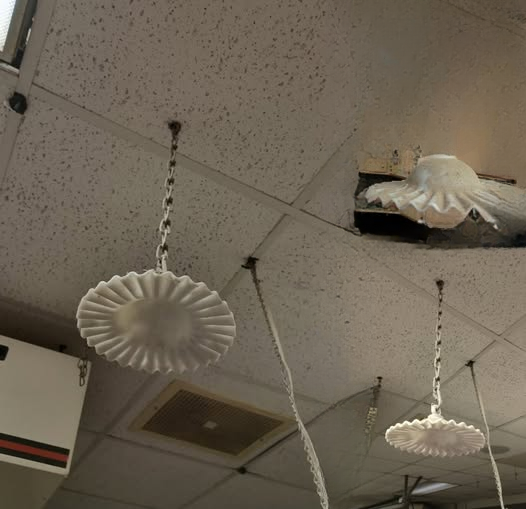
In today’s world of smart lighting, automated homes, and sleek modern design, it can be easy to overlook the quiet beauty of objects from another era. We live in a time defined by speed and convenience—touchscreens replace switches, LED bulbs replace flames, and minimalism often replaces ornamentation. Yet, every so often, a single vintage object captures our attention and gently pulls us backward through time.
One such object is the milk glass smoke bell.
At first glance, it may appear to be a delicate, decorative piece—an opaque white glass dome with soft curves and scalloped edges. But this vintage household item carries with it a fascinating story rooted in practicality, craftsmanship, and the evolution of home life. Far more than a simple decorative accent, the milk glass smoke bell once played an important role in everyday living.
Today, it stands as a symbol of slower evenings, hand-crafted beauty, and thoughtful design.
In this detailed exploration, we’ll uncover:
-
What a milk glass smoke bell is
-
Why it was created
-
The history of milk glass as a material
-
How smoke bells functioned in early homes
-
Their cultural and decorative significance
-
Why collectors value them today
-
Creative ways to incorporate one into modern décor
-
What this vintage piece teaches us about simplicity
By the end, you may find yourself seeing this modest glass dome not just as an antique—but as a meaningful connection to a different rhythm of life.
Life Before Electric Light
To understand the purpose of the milk glass smoke bell, we must first step into a time before electricity illuminated homes.
Throughout the 18th and 19th centuries—and even into the early 20th century—households relied primarily on:
-
Oil lamps
-
Candles
-
Kerosene lanterns
These light sources were essential. They allowed families to cook, read, sew, write letters, and gather after sunset. However, they came with limitations.
Open flames naturally produce smoke and soot. Over time, that smoke would rise and settle on ceilings and walls, leaving dark stains and residue. Homes required frequent cleaning, and ceilings near light sources often showed visible discoloration.
In addition to cosmetic concerns, excessive soot buildup could present safety issues. Households needed a practical way to reduce smoke damage while maintaining sufficient light.
The solution? A simple yet clever design: the smoke bell.
What Is a Milk Glass Smoke Bell?
A smoke bell is a dome-shaped glass covering placed above a flame-based light source. Its purpose was to collect or redirect smoke and soot, preventing it from spreading across ceilings and walls.
When made from milk glass—a smooth, opaque white glass—the smoke bell also softened and diffused the light beneath it, creating a warm, gentle glow.
Unlike clear glass, milk glass filtered harsh brightness, producing an inviting ambiance that complemented evening gatherings.
The milk glass smoke bell combined two important qualities:
-
Functionality — managing smoke and soot
-
Beauty — enhancing interior aesthetics
This blend of utility and design made it especially valued in well-kept homes.
The Origins and Popularity of Milk Glass
Milk glass dates back centuries, though it gained particular popularity during the 18th and 19th centuries. Its signature opaque white appearance resembles porcelain or fine china, giving it a refined look.
Manufacturers achieved this milky appearance by adding specific minerals during the glassmaking process. The result was:
-
Smooth texture
-
Soft translucence
-
Light-diffusing properties
-
Elegant, timeless appeal
Milk glass was widely used for:
-
Lighting shades
-
Decorative bowls
-
Vases
-
Tableware
-
Candle holders
Its ability to complement both ornate Victorian interiors and simpler farmhouse settings contributed to its broad appeal.
When applied to smoke bells, milk glass elevated what could have been a purely functional item into a decorative focal point.
How the Smoke Bell Worked
The smoke bell’s design was simple but effective.
Positioned above an oil lamp or candle, it helped:
-
Capture rising smoke
-
Direct airflow
-
Minimize soot dispersion
-
Protect ceilings and walls
The bell shape encouraged smoke to gather near the top, reducing the spread of residue across the room.
In addition, the glass material allowed light to pass through while diffusing it evenly. This softened the flicker of the flame, reducing glare and creating a cozy atmosphere.
In essence, the smoke bell performed two jobs at once:
-
It protected the home.
-
It enhanced the room’s ambiance.
That dual purpose made it especially valuable in homes where appearance and cleanliness were priorities.
A Reflection of Changing Home Design
The 18th and 19th centuries marked a shift in how people viewed their living spaces.
As the middle class expanded, greater emphasis was placed on:
-
Interior design
-
Comfort
-
Aesthetic harmony
-
Display of taste and refinement
Household objects were no longer chosen solely for survival—they were selected for beauty as well.
The milk glass smoke bell fit perfectly into this evolving mindset. It demonstrated that even practical tools could be elegant.
Placing one above a dining table or parlor lamp suggested:
-
Care for cleanliness
-
Appreciation of craftsmanship
-
Attention to decorative detail
It subtly communicated a household’s values.
Craftsmanship and Artistry
Many antique milk glass smoke bells feature decorative touches such as:
-
Scalloped edges
-
Embossed patterns
-
Fluted contours
-
Delicate ridges
These design elements were created through skilled glass molding techniques. Each piece required careful shaping and finishing.
In an era before mass industrial production dominated, craftsmanship mattered deeply. Objects were made to last—and to be admired.
Owning a smoke bell was not merely practical; it was an expression of pride in one’s home.
The Emotional Power of Vintage Objects
Why does the milk glass smoke bell continue to captivate collectors and decorators today?
Part of the answer lies in nostalgia.
Vintage objects connect us to:
-
Slower evenings
-
Family storytelling
-
Quiet gatherings
-
Candlelit dinners
-
A world less dominated by screens
Even for those who never lived in such an era, the imagery evokes warmth and simplicity.
The milk glass smoke bell represents a time when:
-
Light flickered softly
-
Evenings encouraged conversation
-
Homes were illuminated by human hands
That emotional association contributes to its enduring charm.
The Shift to Modern Lighting
The invention of electric lighting dramatically changed domestic life.
With electric bulbs:
-
Smoke disappeared.
-
Ceilings stayed clean.
-
Light became brighter and more consistent.
As oil lamps faded from everyday use, smoke bells gradually became obsolete in their original function.
However, rather than disappearing entirely, they transitioned into collectible décor items.
Their purpose evolved—but their beauty remained.
Collecting Milk Glass Smoke Bells Today
Today, antique milk glass smoke bells are valued for:
-
Historical significance
-
Decorative appeal
-
Craftsmanship
-
Rarity
Collectors often seek pieces in excellent condition, free from cracks or discoloration.
When evaluating an antique smoke bell, collectors may consider:
-
Thickness of glass
-
Quality of molding
-
Decorative detailing
-
Age indicators
-
Overall preservation
While some pieces remain affordable, rarer examples can become prized additions to vintage collections.
Incorporating a Milk Glass Smoke Bell into Modern Décor
Although few homes today require a smoke-capturing dome, the milk glass smoke bell can still serve as a striking design element.
Here are several ways to incorporate one into a contemporary space:
1. Display as a Standalone Accent
Place the smoke bell on:
-
A mantel
-
A bookshelf
-
A console table
Its unique silhouette makes it a conversation piece.
2. Repurpose as a Light Shade
Some homeowners creatively adapt antique smoke bells into pendant lighting. When fitted properly and safely, the milk glass diffuses light beautifully—echoing its original purpose.
3. Pair with Vintage Elements
Combine it with:
-
Antique oil lamps
-
Rustic wood furniture
-
Brass candlesticks
-
Linen textiles
This creates a cohesive, nostalgic aesthetic.
4. Use in Minimalist Settings
Interestingly, milk glass complements modern minimalism. Its clean white surface pairs well with neutral palettes and simple interiors.
Why Vintage Decor Is Gaining Popularity
In recent years, many people have gravitated toward:
-
Sustainable living
-
Reclaimed materials
-
Vintage furnishings
-
Heirloom-quality objects
This shift reflects a desire for authenticity and durability.
Unlike mass-produced items, vintage pieces often carry:
-
Visible craftsmanship
-
A sense of story
-
Unique character
The milk glass smoke bell fits seamlessly into this movement.
Lessons in Simplicity
Beyond its aesthetic appeal, the smoke bell reminds us of something deeper: the value of thoughtful design.
It represents a time when:
-
Problems were solved creatively.
-
Function and beauty were intertwined.
-
Homes were curated intentionally.
The smoke bell was not extravagant. It was purposeful.
That balance feels refreshing in today’s world of excess and constant upgrades.
The Symbolism of Light
Light has always symbolized:
-
Comfort
-
Guidance
-
Safety
-
Connection
In earlier centuries, gathering around a single flame was an intimate experience.
The milk glass smoke bell softened that flame, creating warmth without harshness.
Today, even without its original function, it still symbolizes that gentle glow—both literal and emotional.
Caring for Antique Milk Glass
If you own or acquire a milk glass smoke bell, proper care helps preserve it:
-
Clean gently with mild soap and water
-
Avoid abrasive materials
-
Store away from extreme temperatures
-
Display in stable, secure locations
With proper handling, these pieces can last for generations.
A Tangible Link to the Past
One of the most compelling aspects of antique objects is their continuity.
A milk glass smoke bell may have once hung in:
-
A farmhouse kitchen
-
A Victorian parlor
-
A small town general store
It may have illuminated family dinners, holiday gatherings, or quiet evenings of reading.
Holding such an object connects you to unknown stories and forgotten moments.
The Enduring Appeal of Milk Glass
Milk glass continues to inspire modern designers because it offers:
-
Soft elegance
-
Neutral versatility
-
Timeless simplicity
Unlike trends that quickly fade, milk glass has maintained relevance for centuries.
The smoke bell stands as a reminder that beauty need not be elaborate to be meaningful.
Slowing Down in a Fast World
Perhaps the most powerful reason the milk glass smoke bell resonates today is emotional.
In a world filled with notifications, screens, and constant movement, we crave:
-
Quiet
-
Warmth
-
Authenticity
-
Connection
Vintage items invite us to pause.
They encourage reflection rather than acceleration.
The milk glass smoke bell, once designed to manage smoke, now helps us clear something else—mental clutter.
Final Reflections
The milk glass smoke bell is more than a decorative artifact. It represents an era when:
-
Craftsmanship mattered deeply
-
Home life centered around shared spaces
-
Even functional objects were thoughtfully designed
Though modern lighting has rendered its original purpose unnecessary, its charm endures.
Whether displayed as a statement piece, repurposed in lighting design, or admired in a collector’s cabinet, the milk glass smoke bell continues to tell a story.
It speaks of simpler evenings, softer light, and homes illuminated by care rather than convenience alone.
In preserving such objects, we preserve more than glass—we preserve memory, craftsmanship, and a gentler pace of life.
And sometimes, that gentle reminder is exactly what modern living needs.