Introduction: A Remarkable Human Story
Throughout history, people have been fascinated by the limits of human longevity. Many cultures have stories about individuals who lived exceptionally long lives, but only a small number of those cases have been confirmed through reliable documentation. Among all recorded examples, one individual stands out as the most thoroughly verified case of extraordinary longevity.
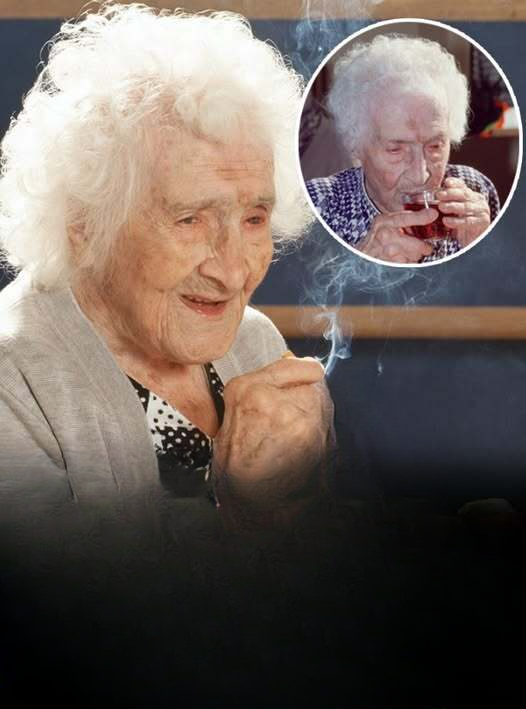
Jeanne Louise Calment lived an astonishing 122 years and 164 days, making her the longest-lived person ever confirmed by historical and demographic research. Her life journey continues to capture the attention of scientists, historians, and people curious about the secrets behind long life.
Born on February 21, 1875, in the historic city of Arles in southern France, she lived through an era of immense transformation. During her lifetime, the world moved from horse-drawn transportation and gas lamps to airplanes, televisions, and early computers. Few people in human history have witnessed such sweeping change firsthand.
Her story is fascinating not only because of her age, but also because of her lifestyle, personality, and outlook on life. Many people expect extreme longevity to be associated with rigid diets or strict routines. Yet her habits were often surprisingly relaxed and unconventional.
Researchers have studied her life carefully in hopes of understanding what allowed her to reach such an extraordinary age. While no single explanation exists, her story offers valuable insights into aging, health, resilience, and the complexity of the human body.
This article explores her remarkable life, the historical events she witnessed, the habits she maintained, and the scientific questions her longevity continues to raise.
A Childhood in the 19th Century
When Jeanne was born in 1875, the world looked very different from the one we know today.
France was recovering from the aftermath of the Franco-Prussian War. Much of Europe was still undergoing industrial transformation, and many modern conveniences had not yet become common.
Electric lighting was only beginning to appear in major cities. Telephones were rare, automobiles did not yet exist, and international travel was slow and difficult.
Arles, her hometown, was a beautiful but quiet city with ancient Roman ruins, narrow streets, and a strong connection to traditional Provençal culture. Life moved at a slower pace, and communities were tightly connected.
Her family operated a successful business in the region, providing her with a comfortable upbringing and access to education and cultural activities. These early experiences helped shape the curious and lively personality she maintained throughout her life.
Witnessing the Transformation of the Modern World
Living for more than a century allowed Jeanne to witness extraordinary technological and cultural changes.
During her lifetime she saw:
• The rise of automobiles
• The invention of airplanes
• The development of radio and television
• The spread of electricity
• The arrival of computers and early digital technology
She also lived through major historical events including:
• World War I
• World War II
• The early exploration of space
One famous landmark she witnessed being built was the Eiffel Tower. At the time, it was considered a daring and controversial structure that symbolized modern engineering.
To imagine the breadth of her experiences is remarkable. She was born during a time when most people traveled by horse and carriage, and she lived long enough to see humans land on the Moon during the Apollo 11 Moon Landing.
Her memories stretched across generations, allowing her to describe historical changes with the perspective of someone who had personally experienced them.
A Record Recognized Around the World
Because claims of extreme longevity are sometimes difficult to verify, researchers rely on documented records such as birth certificates, census entries, marriage records, and official government files.
Jeanne’s life is considered the most thoroughly documented case of longevity ever recorded. Demographers and historians carefully examined numerous historical documents to confirm her age.
Her lifespan is officially recognized by Guinness World Records as the longest verified human lifespan.
What makes her case particularly remarkable is that she remains the only person whose age has been confirmed beyond 119 years through complete documentation.
This level of verification is rare and gives researchers confidence in the accuracy of her age.
Surprising Lifestyle Habits
One of the most intriguing aspects of Jeanne’s story is her lifestyle.
Many people assume that living to such an advanced age requires strict dietary rules, intense exercise, or complete avoidance of indulgences.
However, her habits were far more relaxed.
She enjoyed a variety of foods and had a particular fondness for chocolate. According to reports from people who knew her, she regularly consumed small amounts of chocolate each week.
She also enjoyed occasional wine and appreciated good meals shared with family and friends.
These details have often surprised people studying her life because they challenge common assumptions about longevity.
Rather than focusing on rigid restrictions, she appeared to embrace moderation and enjoyment in everyday life.
Staying Active Through the Years
Despite living well beyond the typical human lifespan, Jeanne maintained an active lifestyle for many decades.
Physical movement remained a regular part of her routine. She enjoyed walking through the streets of Arles and interacting with members of her community.
Even in later life, she continued to stay engaged with daily activities and social gatherings.
Remaining physically active is often associated with improved cardiovascular health, better mobility, and stronger muscles. These factors may contribute to maintaining independence in later years.
Her example illustrates how consistent activity—even simple movement such as walking—can support long-term health.
The Importance of Social Connection
Another factor that may have contributed to her longevity was her strong connection with the community around her.
She remained socially active throughout much of her life. Friends, neighbors, and visitors frequently spoke with her, and she enjoyed conversations about history, culture, and daily life.
Maintaining relationships and social engagement can have powerful effects on well-being. Research suggests that social interaction helps support emotional health and cognitive function.
For Jeanne, staying connected with others allowed her to remain mentally stimulated and emotionally balanced.
A Remarkable Sense of Humor
Many people who met Jeanne described her as cheerful and humorous.
She often responded to questions about her age with lighthearted remarks that reflected her relaxed attitude toward life.
Her humor became one of her most memorable characteristics. Rather than dwelling on the challenges that come with aging, she often focused on enjoying the moment.
Maintaining a positive outlook may play a role in overall health. Stress management and emotional resilience are increasingly recognized as important aspects of long-term well-being.
Her attitude demonstrated how a calm approach to life’s difficulties can support emotional balance.
The Role of Genetics in Longevity
Scientists studying extremely long lifespans often look closely at genetic factors.
Research on individuals who live beyond 100 years—known as supercentenarians—suggests that genetics may play an important role.
Certain genetic traits may help protect against common age-related conditions by supporting:
• Healthy cardiovascular function
• Effective immune responses
• Improved cellular repair processes
Although genetics alone cannot fully explain longevity, they likely contribute to the body’s ability to remain resilient over time.
Jeanne’s health history suggests that she may have inherited protective biological characteristics that helped her maintain vitality.
Maintaining Mental Sharpness
Another striking aspect of her life was her mental clarity.
Even at an advanced age, she could recall stories from her youth and describe events that occurred decades earlier.
Visitors who interviewed her often remarked on her sharp memory and engaging storytelling.
Keeping the mind active is believed to support brain health. Activities such as reading, conversation, and problem-solving stimulate cognitive function.
Jeanne remained curious about the world around her and continued interacting with people and ideas well into her later years.
Life After 100
Reaching the age of 100 is already considered rare, but Jeanne continued living independently for many more years.
She maintained her independence until the age of 110 before eventually moving into a care facility where she could receive additional support.
Even then, she continued to socialize with visitors and participate in conversations about her life experiences.
Her later years became a source of inspiration for many people interested in aging and longevity.
Media Attention and Public Interest
As her age became widely known, journalists and researchers from around the world became interested in her story.
Television interviews, newspaper articles, and documentaries helped share her life with a global audience.
People were fascinated not only by her age but also by her personality and sense of humor.
Her story became a symbol of human resilience and possibility.
Lessons from a Long Life
While no single formula guarantees longevity, Jeanne’s life highlights several factors that researchers believe may support healthy aging.
These include:
• Maintaining social relationships
• Staying physically active
• Managing stress effectively
• Remaining mentally engaged
• Finding enjoyment in everyday life
Her story suggests that longevity is influenced by a complex combination of biological, environmental, and emotional factors.
A Legacy That Continues to Inspire
When Jeanne passed away in 1997 at the age of 122, she left behind an extraordinary legacy.
Her life provided scientists with valuable data about aging and longevity. Researchers continue studying supercentenarians in hopes of better understanding the biological processes that influence lifespan.
For the general public, her story remains a reminder that life can be rich with experiences even at advanced ages.
Conclusion: More Than a Record
Jeanne Louise Calment’s life was not defined solely by the number of years she lived.
It was also shaped by her humor, resilience, curiosity, and connection with the world around her.
Her story demonstrates that longevity involves many different factors—genetics, lifestyle, emotional health, and social relationships all play a role.
While science continues searching for answers about why some individuals live exceptionally long lives, her example reminds us that living well often means embracing balance, maintaining curiosity, and appreciating the people and experiences that fill our days.
Her remarkable journey across three centuries remains one of the most fascinating human stories ever documented.