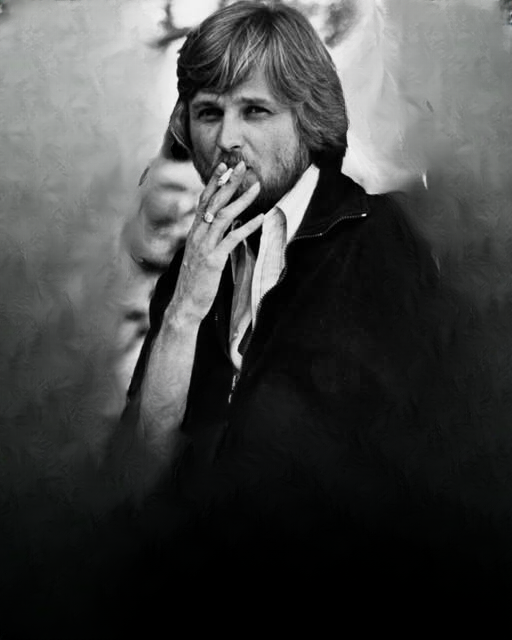
The passing of a great artist often brings with it a quiet moment of reflection—not only on their life, but on the lasting imprint they leave behind. When news emerged that Chip Taylor had died at the age of 86, it marked more than the end of a life; it signaled the closing of a remarkable chapter in modern music history. Yet even as that chapter concludes, the music he created continues to resonate, reminding listeners that some voices never truly fade.
Born James Wesley Voight, Chip Taylor’s journey into the world of music was neither predictable nor effortless. While he was connected to a family that would later gain recognition in the entertainment industry, his path was one he carved out independently. Rather than relying on familiar names or established expectations, he built his identity through persistence, creativity, and a deep understanding of the emotional power of song.
A Life Defined by Creativity
From an early age, Taylor displayed a natural affinity for storytelling. Music became his chosen medium—a way to translate human experiences into melodies and lyrics that others could connect with. His work was never about complexity for its own sake; instead, it focused on clarity, honesty, and emotional authenticity.
As he developed his craft, Taylor became known for his ability to write songs that felt both personal and universal. His compositions spoke to shared experiences—love, longing, hope, and reflection—making them accessible to a wide audience.
It wasn’t long before his work began to gain recognition.
Songs That Shaped an Era
Among Taylor’s most enduring contributions are two songs that have become deeply embedded in popular culture: “Wild Thing” and “Angel of the Morning.”
“Wild Thing,” popularized by The Troggs, captured a raw, energetic spirit that defined much of the 1960s rock scene. Its simplicity was part of its strength—an unforgettable riff paired with a bold, direct expression of emotion.
On the other hand, “Angel of the Morning,” recorded by Merrilee Rush and later covered by numerous artists, showcased a different side of Taylor’s songwriting. The song’s gentle melody and introspective lyrics offered a nuanced exploration of vulnerability and independence.
Together, these works demonstrated Taylor’s versatility. He could write songs that energized audiences as easily as he could create pieces that encouraged quiet reflection.
Beyond Recognition and Awards
While chart success and industry accolades are often used to measure an artist’s impact, those who knew Taylor personally describe a legacy that extends far beyond statistics.
Friends, collaborators, and family members consistently highlight his character—his kindness, humility, and genuine interest in others. In an industry often associated with competition and ego, Taylor was known for fostering a sense of connection.
He approached music as a collaborative process, valuing the contributions of those around him. Whether working with fellow musicians or engaging with audiences, he maintained a perspective that placed people at the center of his work.
This approach not only shaped his professional relationships but also influenced the way his music was received. Listeners often felt as though his songs were speaking directly to them, creating a sense of intimacy that transcended distance.
A Career That Evolved Over Time
One of the most notable aspects of Taylor’s career was his ability to adapt. While many artists become closely tied to a particular era or style, he continued to explore new directions throughout his life.
In addition to his early success in songwriting, he later pursued his own performances and recordings, embracing genres such as country and folk. This evolution allowed him to connect with new audiences while remaining true to his artistic identity.
Rather than chasing trends, Taylor focused on authenticity. His later work reflected a mature perspective, often characterized by thoughtful lyrics and understated arrangements.
This willingness to grow and change ensured that his music remained relevant, even as the industry itself underwent significant transformations.
Personal Life and Quiet Strength
Outside of his professional achievements, Taylor’s personal life was marked by a sense of balance and groundedness. Those closest to him describe a man who valued family deeply and approached life with a calm, thoughtful demeanor.
In his later years, he continued to engage with music, not out of obligation but out of genuine passion. For him, creativity was not confined to a particular stage of life—it was an ongoing process.
According to his family, his final days were peaceful, reflecting the same sense of quiet grace that had defined much of his life. Surrounded by loved ones, he remained connected to the people and values that mattered most to him.
The Response from the Music Community
Following news of his passing, tributes began to emerge from across the music world. Artists, fans, and industry professionals shared their memories, highlighting the ways in which Taylor’s work had influenced their own journeys.
For many musicians, his songs served as a source of inspiration—examples of how simplicity and sincerity can create lasting impact. For listeners, they provided a soundtrack to personal moments, becoming intertwined with memories and emotions.
This collective response underscores the breadth of Taylor’s influence. His work reached beyond geographical and generational boundaries, connecting people through shared experiences.
The Enduring Power of Song
One of the remarkable qualities of music is its ability to outlast the moment of its creation. A song written decades ago can still evoke emotion, spark memories, and bring people together.
Taylor’s catalog exemplifies this enduring power.
Each time the opening chords of “Wild Thing” or “Angel of the Morning” are heard, they carry with them not only the sound of a particular era but also the essence of the person who created them.
These songs continue to be performed, recorded, and rediscovered by new audiences, ensuring that Taylor’s influence remains active.
A Legacy That Transcends Time
As time moves forward, the way we remember artists often evolves. Initial reactions to their passing may focus on loss, but over time, attention shifts toward appreciation and celebration.
In Taylor’s case, his legacy is defined not by a single achievement but by a body of work that has consistently resonated with listeners.
His ability to capture emotion in a way that feels both immediate and timeless is what sets his contributions apart. It is also what ensures that his music will continue to be relevant for years to come.
Reflecting on a Life Well Lived
Looking back on Taylor’s life, it becomes clear that his impact cannot be measured solely by commercial success or public recognition.
Instead, it is found in the connections he created—between words and melodies, between artists and audiences, and between individuals who found meaning in his work.
His journey serves as a reminder that creativity is not just about producing something new; it is about communicating something real.
The Quiet Continuation of Influence
Even in absence, an artist’s presence can remain.
For Taylor, that presence lives on in recordings, performances, and the countless moments when someone hears one of his songs and feels a connection.
It exists in the way his music continues to inspire new interpretations, encouraging others to explore their own creative paths.
And it exists in the memories shared by those who knew him, offering insight into the person behind the work.
Final Thoughts
The passing of Chip Taylor marks the end of an era, but it does not diminish the significance of what he achieved.
His life and career demonstrate the lasting value of authenticity, dedication, and connection. Through his music, he created something that extends beyond time—a collection of songs that continue to resonate with listeners around the world.
As tributes continue and his work finds new audiences, one thing remains certain: while the artist may no longer be present, the music endures.
And in that music, his voice—quiet, sincere, and unmistakably his own—continues to be heard.