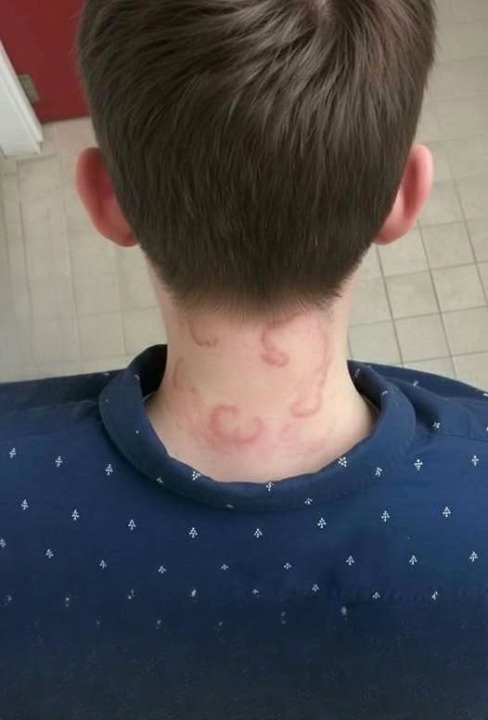
Fungal skin infections are among the most common skin conditions, affecting people of all ages. They can develop on the feet, scalp, body, groin, or nails, often causing itching, redness, or changes in the skin’s appearance. The good news is that most fungal infections can be treated successfully with the right care and medication.
Learning to recognize the symptoms early can help prevent the infection from spreading and make treatment more effective.
What Are Fungal Skin Infections?
Fungi are microscopic organisms that naturally live on the skin alongside bacteria and other microorganisms. Under normal conditions, they usually don’t cause problems. However, when they multiply in warm, moist environments, they can lead to an infection.
Several types of fungal skin infections are common, including:
- Ringworm (tinea): A contagious infection that can affect different areas of the body.
- Athlete’s foot: A fungal infection that usually develops between the toes.
- Jock itch: An infection that affects the groin and inner thighs.
- Yeast skin infections: Often found in skin folds such as the armpits or under the breasts.
- Nail fungus: An infection that causes nails to become thick, brittle, or discolored.
- Tinea versicolor: A condition that causes lighter or darker patches of skin.
Each type may require a slightly different treatment approach.
What Is Ringworm?
Despite its name, ringworm isn’t caused by a worm. It’s a fungal infection that produces a distinctive circular rash with a raised border and a clearer center.
Common symptoms include:
- Circular or ring-shaped rash
- Red or pink patches
- Itching
- Dry, flaky, or scaly skin
- Gradually expanding areas of irritation
Ringworm can appear almost anywhere on the body and is classified according to its location.
For example:
- Tinea corporis affects the arms, legs, and torso.
- Tinea capitis affects the scalp and may cause hair loss or scaly patches.
- Tinea pedis, commonly called athlete’s foot, develops between the toes and may cause cracking, peeling, or itching.
- Tinea cruris, also known as jock itch, affects the groin area.
- Tinea unguium involves the fingernails or toenails.
How Do Fungal Infections Spread?
Fungal infections are contagious and can spread in several ways.
Common sources include:
- Direct skin-to-skin contact with an infected person
- Contact with infected animals
- Sharing towels, clothing, shoes, hats, or hairbrushes
- Walking barefoot in public showers, locker rooms, or swimming pool areas
Certain factors may also increase your risk, including:
- Excessive sweating
- Wearing damp clothing or shoes for long periods
- Tight-fitting clothing that traps moisture
- Poorly ventilated footwear
- A weakened immune system
- Diabetes or other chronic health conditions
Treatment Options
The best treatment depends on the location and severity of the infection.
Topical Antifungal Medications
Mild skin infections often respond well to antifungal creams, sprays, powders, or gels available over the counter or by prescription.
Common active ingredients include:
- Clotrimazole
- Terbinafine
- Ketoconazole
- Miconazole
These products are typically applied once or twice daily for several weeks, even if symptoms improve sooner. Completing the full course helps reduce the chance of the infection returning.
Oral Antifungal Medications
More extensive infections—particularly those affecting the scalp or nails—may require prescription oral medication.
Healthcare providers may prescribe treatments such as:
- Terbinafine
- Itraconazole
- Fluconazole
- Griseofulvin (commonly used for certain scalp infections)
Because these medications may not be suitable for everyone, they should only be taken under medical supervision.
Home Remedies
Some natural remedies may help soothe symptoms or support treatment, but they should not replace medically recommended antifungal medications for active infections.
Examples include:
- Tea tree oil: When properly diluted, it has natural antifungal properties.
- Apple cider vinegar: Some people use diluted vinegar on affected skin, although scientific evidence remains limited.
- Aloe vera gel: May help calm irritated skin.
- Baking soda: Can help absorb moisture inside shoes, reducing the damp conditions fungi prefer.
If you choose to try a home remedy, stop using it if irritation develops.
Tips to Help Prevent Fungal Infections
Simple daily habits can significantly reduce your risk of developing a fungal infection.
Helpful prevention strategies include:
- Wash your skin regularly and dry it thoroughly, especially between the toes and in skin folds.
- Change socks and underwear daily.
- Wear breathable clothing and shoes whenever possible.
- Avoid sharing towels, razors, shoes, or personal care items.
- Wear sandals or water shoes in public locker rooms, showers, and pool areas.
- Keep shoes clean and allow them to dry completely between uses.
- Use antifungal powder if you’re prone to athlete’s foot or excessive sweating.
Maintaining overall health through balanced nutrition, regular exercise, quality sleep, and stress management also supports your immune system, which plays an important role in fighting infections.
When to See a Healthcare Professional
Many fungal skin infections improve with appropriate treatment, but medical advice is recommended if:
- The rash continues to spread.
- Symptoms don’t improve after two to four weeks of treatment.
- The infection affects the scalp, face, or nails.
- There is significant pain, swelling, drainage, or signs of a bacterial infection.
- You have diabetes, a weakened immune system, or another medical condition that increases your risk of complications.
A healthcare professional can confirm the diagnosis and recommend the most effective treatment.
The Bottom Line
Fungal skin infections are common, but they’re usually treatable when recognized early. Knowing the symptoms, practicing good hygiene, and using appropriate antifungal treatments can help clear the infection and reduce the risk of it returning.
If symptoms persist, worsen, or involve the scalp or nails, it’s best to consult a healthcare provider for an accurate diagnosis and personalized treatment plan.