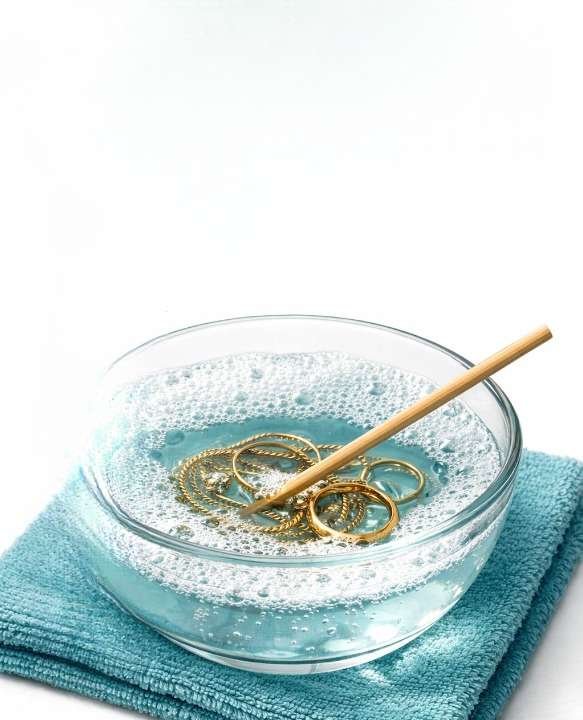
Jewelry holds a special place in many people’s lives. Whether it is a treasured family heirloom, a gift from a loved one, or a favorite accessory worn every day, jewelry often carries both sentimental and aesthetic value. Over time, however, even the most beautiful pieces can begin to lose their shine. Metals may become dull, tarnished, or covered with residue from everyday wear.
Many people assume that restoring the sparkle of jewelry requires expensive cleaning solutions or professional services. While professional cleaning can certainly be useful in certain cases, there are also simple and affordable methods that can help maintain the appearance of many common jewelry pieces at home.
One of the most popular approaches involves using a few basic household ingredients to create a gentle cleaning solution. This method has gained attention because it is easy to prepare, requires minimal effort, and uses items that many people already have in their kitchen.
In this guide, we will explore how to create a simple DIY jewelry cleaning solution, explain why the ingredients work, and share helpful tips to ensure your jewelry stays clean and well cared for. We will also discuss which types of jewelry can benefit from this method and when it is better to seek professional cleaning.
By the end of this article, you will have a better understanding of how to maintain your jewelry safely and effectively without spending a large amount of money.
Why Jewelry Becomes Dull or Tarnished
Before learning how to clean jewelry, it is helpful to understand why jewelry loses its shine in the first place. Even high-quality metals can change in appearance after regular use.
Several factors contribute to this process.
Exposure to Air and Moisture
Metals such as silver naturally react with oxygen and sulfur in the air. This reaction causes a chemical process called tarnishing, which leads to a darker or dull surface.
Humidity and moisture can speed up this process, especially if jewelry is stored in areas with poor ventilation.
Contact with Skin Oils and Lotions
When jewelry is worn regularly, it comes into contact with natural skin oils, sweat, lotions, perfumes, and cosmetics. Over time, these substances can create a thin layer of buildup that reduces the metal’s shine.
Everyday Environmental Factors
Dust, soap residue, cleaning products, and other environmental substances can accumulate on jewelry surfaces. These particles may be too small to notice individually, but together they can make jewelry appear cloudy or dull.
Improper Storage
Jewelry stored in open air or mixed with other items can scratch or tarnish more quickly. Storing pieces properly helps slow down the buildup of tarnish and residue.
Understanding these factors helps explain why regular cleaning is an important part of jewelry care.
The Benefits of Cleaning Jewelry at Home
Professional jewelry cleaning services can be effective, but they are not always necessary for routine maintenance. Many pieces can be safely cleaned at home using gentle methods.
Here are some advantages of using a DIY cleaning solution.
Cost Savings
Commercial jewelry cleaners and professional services can be expensive over time. A simple homemade solution uses inexpensive ingredients that are widely available.
Convenience
Cleaning jewelry at home allows you to restore shine whenever you notice buildup or tarnish. There is no need to schedule appointments or travel to a jewelry store.
Gentle Maintenance
When done correctly, mild household cleaning methods can help maintain jewelry between professional inspections or repairs.
Accessibility
Many people already have the necessary ingredients in their kitchen or pantry, making the process quick and easy.
However, it is important to remember that not all jewelry should be cleaned using the same method. Some delicate gemstones and antique pieces require special care.
Ingredients Needed for a Simple DIY Jewelry Cleaning Solution
One popular home cleaning method involves combining several common ingredients to create a mild cleaning mixture. Each ingredient plays a specific role in the process.
You will need the following items:
-
1 tablespoon of salt
-
1 tablespoon of baking soda
-
1 tablespoon of liquid dish detergent
-
1 cup of warm water
-
A small piece of aluminum foil
-
A small bowl
These ingredients work together to help loosen tarnish, break down residue, and restore the appearance of metal jewelry.
Why These Ingredients Work
Each ingredient in this cleaning solution contributes to the overall effectiveness of the process.
Baking Soda
Baking soda is a mild abrasive that helps remove surface buildup without scratching most metals. It also helps neutralize certain chemical compounds that contribute to tarnish.
Salt
Salt assists the cleaning process by improving the conductivity of the solution when combined with aluminum foil. This helps facilitate a mild chemical reaction that can reduce tarnish on certain metals.
Dish Detergent
Liquid dish soap helps break down oils, lotions, and other residues that accumulate during daily wear.
Aluminum Foil
The foil interacts with tarnish through a chemical exchange process. In simple terms, the foil helps draw tarnish away from the jewelry surface.
Warm Water
Warm water dissolves the ingredients and allows them to work more effectively.
Step-by-Step Instructions for Cleaning Jewelry
Follow these steps carefully to prepare and use the cleaning solution.
Step 1: Prepare Warm Water
Begin by heating one cup of water until it becomes warm but not boiling. Warm water helps dissolve the ingredients and activate the cleaning process.
Step 2: Line the Bowl with Aluminum Foil
Place a piece of aluminum foil inside a small bowl. The shiny side should face upward. Make sure the foil covers the bottom of the bowl.
Step 3: Create the Cleaning Solution
Pour the warm water into the bowl and add the salt, baking soda, and liquid dish detergent. Stir gently until the ingredients dissolve.
Step 4: Place the Jewelry in the Bowl
Carefully place your jewelry on top of the aluminum foil. Ensure the pieces are in contact with the foil for the cleaning reaction to occur.
Step 5: Allow the Jewelry to Soak
Let the jewelry sit in the solution for approximately five to ten minutes. During this time, the mixture works to loosen tarnish and remove buildup.
Step 6: Rinse with Clean Water
After soaking, remove the jewelry and rinse it under cool running water to remove any remaining solution.
Step 7: Dry with a Soft Cloth
Use a soft, lint-free cloth to gently dry the jewelry. Avoid rough materials that could scratch delicate surfaces.
Following these steps can help restore the shine of many metal jewelry pieces.
Types of Jewelry That May Benefit from This Method
This cleaning method can work well for several common jewelry materials, including:
-
Sterling silver
-
Gold-filled jewelry
-
Brass
-
Certain silver alloys
These metals often develop tarnish that responds well to mild cleaning techniques.
However, it is important to check the materials in your jewelry before using any cleaning method.
Jewelry That Requires Special Care
Some jewelry pieces should not be cleaned using this method because they may contain delicate materials.
Examples include:
Soft Gemstones
Stones such as opals, pearls, and turquoise are sensitive to chemicals and temperature changes.
Porous Materials
Certain natural stones can absorb liquids, which may cause discoloration or damage.
Antique Jewelry
Older pieces may have fragile settings or unique finishes that require professional cleaning.
Plated Jewelry
Thin metal plating can wear away if cleaned too aggressively.
If you are unsure about the materials in your jewelry, consult a professional jeweler before attempting to clean it.
Tips for Maintaining Jewelry Shine
Cleaning jewelry occasionally is helpful, but prevention is equally important. Proper care can reduce the frequency of cleaning and extend the life of your pieces.
Store Jewelry Properly
Use a jewelry box or soft pouches to protect pieces from dust and moisture.
Remove Jewelry During Certain Activities
Taking off jewelry while swimming, exercising, or cleaning can reduce exposure to chemicals and sweat.
Avoid Harsh Chemicals
Household cleaners, chlorine, and certain beauty products can damage metals and gemstones.
Clean Regularly
Light cleaning at regular intervals prevents heavy buildup from forming.
When Professional Cleaning Is Recommended
Although home cleaning methods are useful for maintenance, professional jewelers offer specialized services that may be necessary in certain situations.
Professional cleaning is recommended when:
-
Jewelry contains valuable gemstones
-
Tarnish is extremely heavy
-
Settings need inspection or repair
-
Pieces are antique or fragile
Jewelers have specialized tools and expertise that ensure delicate items are handled safely.
The Value of Simple Jewelry Care
Maintaining jewelry does not have to be complicated or expensive. With basic knowledge and careful handling, many pieces can remain beautiful for years.
Simple DIY cleaning methods provide a practical way to restore shine and remove everyday buildup. When combined with proper storage and regular care, these techniques help keep jewelry looking its best.
At the same time, it is important to recognize when professional assistance may be necessary. Valuable or delicate items deserve extra attention to ensure their longevity.
Final Thoughts
Jewelry often carries emotional significance as well as decorative value. Whether it is a favorite necklace worn daily or a special ring reserved for meaningful occasions, maintaining its appearance helps preserve both its beauty and its memories.
A simple homemade cleaning solution made from common household ingredients can offer an easy and affordable way to care for many types of metal jewelry. By following safe cleaning practices and understanding the materials in your jewelry, you can keep your accessories shining without relying on expensive products.
Regular maintenance, thoughtful storage, and occasional professional inspections will ensure that your jewelry remains a lasting part of your personal collection for years to come.