Sleeping comfortably during warm weather can be surprisingly difficult. When bedroom temperatures rise, the body struggles to cool itself naturally, leading to restlessness, frequent waking, and difficulty falling asleep in the first place.
Many people immediately think of air conditioning or electric fans as the only solutions. While these are effective, they are not always available, affordable, or energy-efficient. In such situations, simple low-tech cooling methods can make a meaningful difference in sleep quality.
Two surprisingly effective techniques involve using a damp towel to influence room airflow and a chilled pillowcase to cool the body directly. While these methods are simple, they rely on basic physical principles that can help regulate temperature and improve comfort during sleep.
Why Heat Makes Sleep Difficult
To understand why cooling techniques work, it is important to understand how the body prepares for sleep.
As bedtime approaches, the human body naturally begins to lower its core temperature. This drop in temperature is a biological signal that helps initiate sleep. However, when the surrounding environment is too warm, this process is disrupted.
High temperatures can cause:
- Increased heart rate
- Excessive sweating
- Restlessness and discomfort
- Difficulty reaching deep sleep stages
- Frequent waking during the night
Because of this, even small reductions in temperature or perceived heat can significantly improve sleep quality.
Technique 1: Using a Wet Towel for Natural Air Cooling
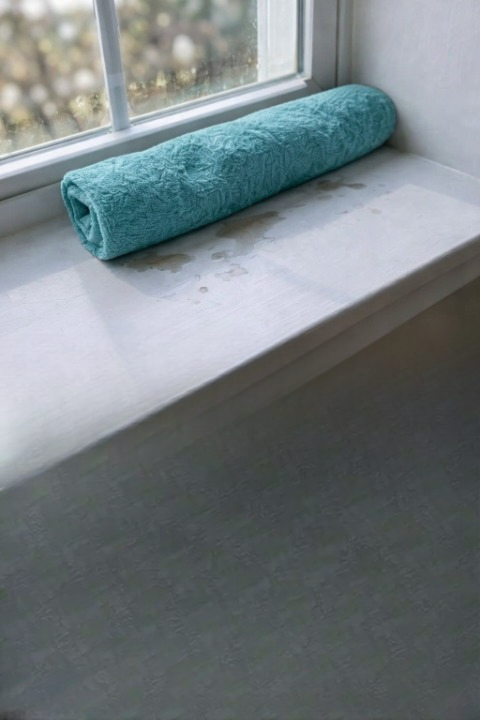
One low-energy method for improving bedroom airflow involves placing a damp towel near an open window or ventilation point.
This method works through a natural physical process known as evaporative cooling.
How Evaporative Cooling Works
When water evaporates, it absorbs heat energy from its surroundings. This process cools the surrounding air slightly as moisture transitions from liquid to vapor.
By positioning a wet towel where air enters a room, the incoming air passes through or around the damp fabric. As the water evaporates, it draws heat from the air, creating a mild cooling effect.
Although this does not function like an air conditioner, it can:
- Reduce perceived room temperature slightly
- Add moisture to overly dry air
- Improve airflow comfort
- Create a more breathable sleeping environment
Even small changes in airflow temperature can make a noticeable difference when trying to fall asleep.
Practical Ways to Use a Wet Towel
To maximize the effectiveness of this method, the towel should be used strategically:
- Hang it near an open window or airflow path
- Ensure air can pass through or around it
- Keep it damp, not dripping wet
- Replace or re-wet it if it dries out during the night
This technique works best in environments where air circulation is already present, such as rooms with open windows or fans.
Limitations of the Wet Towel Method
While useful, this method has limitations:
- It provides only mild cooling, not temperature control
- It is less effective in humid climates where evaporation slows down
- It may require frequent re-wetting in dry environments
Despite these limitations, it remains a helpful passive cooling strategy for improving comfort without electricity.
Technique 2: Chilling a Pillowcase for Direct Body Cooling
The second method focuses not on the room, but on the body itself. Cooling the body’s head and neck area can help signal relaxation and support the sleep process.
This is done by placing a pillowcase in a refrigerator or freezer for a short time before bed.
Why Cooling the Head Helps Sleep
The head and neck contain many blood vessels close to the skin’s surface. Because of this, temperature changes in this area can influence overall comfort perception.
When a cool pillowcase is placed against the skin:
- Heat is drawn away from the body
- Blood vessels near the surface cool slightly
- The nervous system receives a “cool down” signal
- The body becomes more relaxed
This cooling effect can help reduce the discomfort caused by overheating, especially during the first stage of falling asleep.
How to Use a Chilled Pillowcase Effectively
To get the best results from this method:
- Place the pillowcase in the refrigerator for 30–60 minutes
- Alternatively, use the freezer for a shorter time (10–15 minutes)
- Avoid leaving it too long to prevent it from becoming uncomfortably cold or damp
- Ensure it is dry before placing it on the pillow
Even a short period of cooling can provide noticeable relief when lying down in a warm room.
Why the Cooling Effect Doesn’t Need to Last All Night
One of the key advantages of this method is that it does not need to remain cold throughout the night.
Sleep onset—the process of falling asleep—is when temperature sensitivity is highest. Once the body enters deeper sleep stages, it becomes less dependent on external temperature adjustments.
This means:
- A short cooling period can be enough
- Initial comfort is often the most important factor
- Even temporary relief can help prevent tossing and turning
Combining Both Methods for Better Results
When used together, these two methods complement each other:
Wet towel method:
- Improves room airflow
- Slightly lowers perceived temperature
Chilled pillowcase method:
- Directly cools the body
- Helps initiate sleep more quickly
By addressing both environmental heat and body heat, the overall sleeping experience can become significantly more comfortable.
Additional Simple Ways to Stay Cool at Night
In addition to these two methods, several other low-cost strategies can improve sleep during hot conditions:
- Using breathable cotton bedding
- Sleeping with lighter blankets
- Keeping windows open for cross-ventilation
- Taking a lukewarm shower before bed
- Staying hydrated throughout the evening
- Avoiding heavy meals close to bedtime
These small adjustments can further support the body’s natural cooling process.
Why Low-Tech Cooling Methods Are Still Valuable
Even in a world with advanced cooling systems, simple methods remain relevant for several reasons:
- They require no electricity
- They are cost-effective
- They are accessible in any environment
- They reduce energy consumption
- They can be used alongside modern cooling systems
These techniques highlight how basic physical principles can still be applied effectively in everyday life.
Final Thoughts
Falling asleep in a warm environment can be challenging, but it does not always require expensive or high-energy solutions. Simple methods such as using a damp towel for evaporative cooling and chilling a pillowcase for direct body relief can significantly improve comfort.
While these techniques do not replace air conditioning, they offer practical alternatives that rely on natural processes rather than technology.
Ultimately, improving sleep in hot conditions is about working with the body’s natural cooling system. Even small adjustments to temperature and airflow can make the difference between a restless night and a more peaceful, restorative sleep.