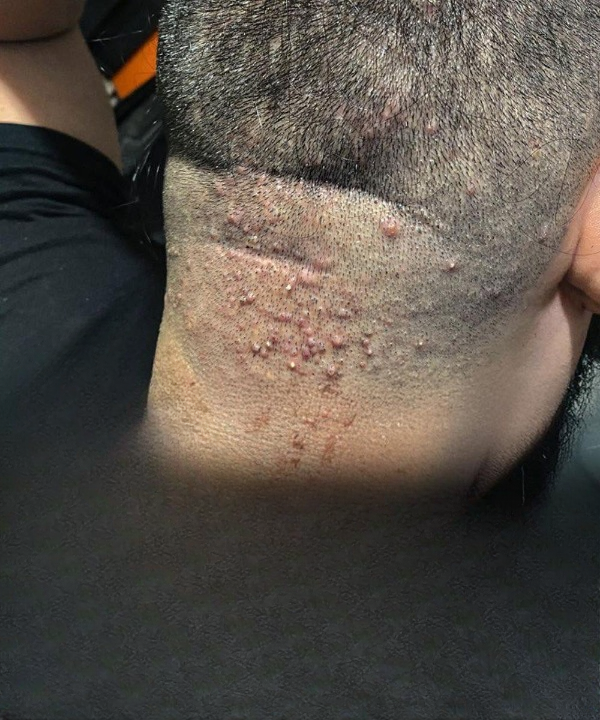
A routine visit to a barbershop or hair salon is something most people consider harmless. A haircut, shave, or trim is usually quick, simple, and uneventful. However, in some cases, minor skin issues can develop afterward—especially when hygiene practices are not properly followed.
One of the most common conditions linked to post-haircut skin irritation is bacterial folliculitis, an infection of the hair follicles. While usually mild, it can become uncomfortable and sometimes persistent if not treated properly.
Understanding how this condition develops, what symptoms to look for, and how to prevent it is important for maintaining healthy skin after grooming.
1. When a Routine Haircut Leads to Unexpected Skin Irritation
In many cases, skin irritation after a haircut begins subtly. A person may feel slight discomfort or notice minor redness in areas where hair was trimmed closely or shaved.
At first, it may not seem concerning. Many people assume it is simply irritation from clippers, razors, or friction against the skin. However, when symptoms persist or worsen over time, it may indicate something more than temporary sensitivity.
This is often when bacterial folliculitis becomes noticeable.
2. Early Symptoms That Can Be Easy to Ignore
Folliculitis typically begins with mild signs that are easy to overlook, such as:
- A slight burning or stinging sensation
- Increased sensitivity in shaved or trimmed areas
- Small red bumps around hair follicles
- Mild itching or discomfort
Because these symptoms resemble normal post-haircut irritation, many people do not seek immediate attention.
However, in some cases, the condition can progress.
3. When Symptoms Begin to Worsen
If the infection develops further, symptoms may become more noticeable and uncomfortable. These can include:
- An increase in the number of small bumps or pustules
- Visible redness and inflammation
- Swelling in affected areas
- Tenderness or pain when touching the skin
- Persistent irritation that does not improve over time
At this stage, the condition may require medical evaluation to prevent complications.
4. What Is Bacterial Folliculitis?
Bacterial folliculitis is an infection of the hair follicles, the small openings in the skin where hair grows. It is most commonly caused by bacteria such as Staphylococcus aureus, which can enter the skin through tiny cuts or abrasions.
These micro-injuries are often caused by grooming practices such as:
- Shaving with razors
- Trimming with electric clippers
- Close fades or skin-level cuts
- Friction or irritation during hair removal
When bacteria enter these small openings, the immune system responds with inflammation, leading to red bumps, pus-filled spots, or irritation.
5. Why Barbershops Can Sometimes Be a Risk Factor
It is important to note that most barbershops and salons follow proper hygiene standards. However, infections can occur when sanitation practices are not strictly maintained.
Potential risk factors include:
- Reusing razors without proper sterilization
- Clippers that are not disinfected between clients
- Dirty or improperly cleaned tools
- Use of shared towels or capes without washing
- Small cuts that go unnoticed during shaving
Because these tools come into direct contact with the skin, even small lapses in hygiene can introduce bacteria.
6. What Happens If Folliculitis Is Left Untreated
In many cases, mild folliculitis resolves on its own. However, without proper care, it may lead to complications such as:
- Spread of infection to surrounding skin areas
- Increased inflammation and discomfort
- Formation of larger pustules or boils
- Potential scarring in more severe cases
- Recurring infections in the same areas
For this reason, early attention is recommended if symptoms persist or worsen.
7. How Doctors Typically Diagnose It
A medical diagnosis of folliculitis is usually based on a physical examination of the skin. In most cases, no complex testing is required.
A healthcare professional will assess:
- The appearance of bumps or lesions
- Distribution of the affected area
- Signs of infection or inflammation
- Patient history (recent shaving or haircut)
In some cases, a sample may be taken if the infection is severe or recurring.
8. Treatment Options
Treatment depends on severity.
Mild cases:
- Antibacterial washes
- Topical antibiotic creams
- Improved skin hygiene
- Avoiding shaving until healed
More persistent cases:
- Prescription topical antibiotics
- Oral antibiotics in some situations
- Antiseptic skincare routines
Following medical advice is important, especially if symptoms do not improve within a few days.
9. How to Prevent Infection After a Haircut
Prevention plays the most important role in avoiding folliculitis. Simple precautions can significantly reduce the risk.
At the barbershop:
- Observe whether tools are cleaned before use
- Ensure razors are disposable or freshly sterilized
- Ask about hygiene practices if unsure
- Avoid services that use visibly unclean equipment
Personal precautions:
- Avoid touching freshly shaved areas with dirty hands
- Keep skin clean after grooming
- Do not share towels or personal grooming items
- Apply soothing, non-irritating skincare products if needed
10. What to Do If Symptoms Appear
If you notice signs of irritation after a haircut, it is important to act early.
Recommended steps include:
- Avoid scratching or squeezing affected areas
- Keep the skin clean and dry
- Pause shaving or trimming until the skin heals
- Monitor symptoms for changes or worsening
- Seek medical advice if irritation persists or spreads
Self-treatment with harsh products is not recommended, as it may worsen irritation.
11. Why Early Awareness Matters
Skin infections like folliculitis are generally treatable, but early recognition helps prevent unnecessary discomfort.
Understanding the difference between:
- Temporary irritation from shaving
- And early signs of infection
can make a significant difference in recovery time and skin health.
12. The Bigger Lesson: Hygiene and Awareness Go Hand in Hand
This condition highlights an important fact: even routine grooming procedures carry a small level of risk if proper hygiene is not maintained.
However, this does not mean barbershops are unsafe. In fact, most professionals follow strict cleanliness standards.
The key takeaway is balance:
- Professionals must maintain proper sanitation
- Clients should stay aware and informed
- Early action helps prevent complications
Final Thoughts
A simple haircut is usually a safe and routine experience, but in rare cases, bacterial folliculitis can develop if bacteria enter small skin openings during grooming.
While the condition is generally mild and treatable, awareness is essential. Recognizing early symptoms, understanding the causes, and practicing basic hygiene can significantly reduce risk.
Ultimately, safe grooming is a shared responsibility between service providers and customers. With proper care and attention, most cases can be easily avoided, ensuring that a haircut remains exactly what it should be—a simple, clean, and refreshing experience.