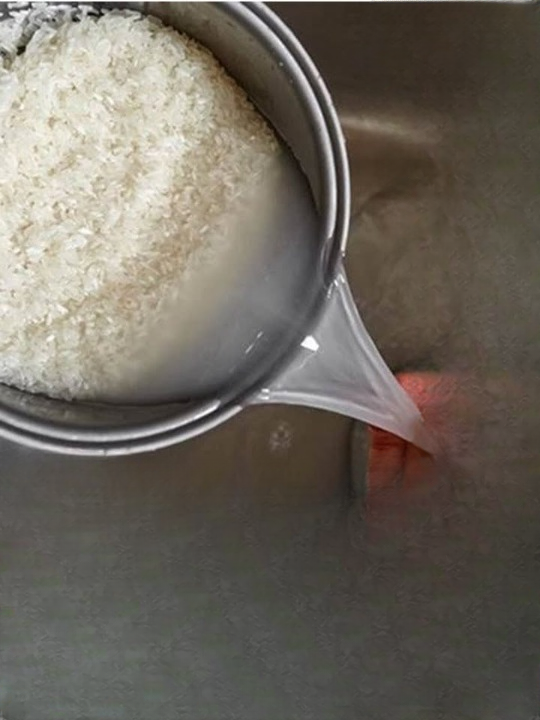
Rice water has been used for centuries in various cultures as part of traditional beauty and household routines. It is the starchy liquid left behind after rinsing or boiling rice, and it contains small amounts of vitamins, minerals, and carbohydrates that come from the grain.
In recent years, rice water has gained significant popularity online, often described as a “miracle solution” for skin, hair, and even oral care. While many of these claims are based on tradition or anecdotal experiences, it is important to understand both the potential benefits and the limitations of using rice water in daily routines.
This article explores common suggested uses of rice water, explains what it contains, and provides a more realistic perspective on its effects.
What Is Rice Water and Why Is It Popular?
Rice water is the cloudy liquid obtained when rice is washed, soaked, or boiled. The cloudiness comes from starch, along with small amounts of nutrients that naturally leach out of the grain.
It may contain:
- Small amounts of B vitamins
- Trace minerals
- Amino acids and proteins
- Starch (the main component)
- Antioxidant compounds in minimal amounts
Because rice is widely available and inexpensive, rice water has become a popular home remedy in beauty routines, especially in East Asian traditions.
Historically, it has been used in some cultures for hair care and skin cleansing, long before modern cosmetic products existed.
However, modern dermatology notes that while rice water may have mild cosmetic effects, it is not a replacement for clinically tested skincare or dental products.
1. Rice Water for Facial Care (Mask or Cleanser)
One of the most common uses of rice water is as a facial treatment. It is often applied either as a rinse, a toner-like liquid, or a mask using the starch that settles at the bottom.
How it is traditionally used
After rinsing rice, the water is collected and allowed to settle. The milky sediment is sometimes applied to the face and left briefly before rinsing off.
Why people believe it helps
Supporters claim rice water may:
- Soften the skin
- Provide a temporary smoothing effect
- Reduce oiliness
- Improve skin brightness
These effects are mainly due to the starch content, which can create a light tightening or smoothing sensation when dried on the skin.
Scientific perspective
There is limited scientific evidence that rice water significantly improves skin health long-term. However, it may act as a mild cosmetic rinse due to its starch content and gentle nature.
It is generally considered safe for most people, but individuals with sensitive skin should be cautious and perform a patch test before applying it to the face.
2. Rice Water as a Makeup Remover
Some traditional routines suggest using rice water to remove light makeup.
Why it is used
Rice water has a slightly slippery texture due to starch, which may help loosen surface oils and light cosmetic residue.
Practical effectiveness
While it may help remove very mild makeup, it is not as effective as dedicated cleansers or micellar water. Modern makeup products are designed to be long-lasting and often require stronger cleansing agents.
Safety note
Using rice water alone may leave residue on the skin, so it is usually recommended to follow with proper facial cleansing.
3. Rice Water and Skin Pore Appearance
Another popular claim is that rice water can help “tighten pores.”
What is actually happening
Pores do not physically shrink or open and close in the way many beauty claims suggest. However, some temporary effects may occur:
- The starch in rice water can create a tightening sensation as it dries
- Skin may appear smoother due to surface residue
- Oil absorption may give a matte look temporarily
Ice cube method
Some people freeze rice water and apply it as cold cubes to the skin, believing temperature changes help with pore tightening.
Cold application can temporarily reduce redness and swelling, which may make pores appear smaller, but this effect is short-lived.
Scientific view
There is no strong evidence that rice water permanently changes pore size. However, it may provide temporary cosmetic effects due to skin cooling and starch coating.
4. Rice Water for Oral Care: Teeth and Breath
One of the more controversial traditional claims is that rice water can be used as a mouth rinse.
Traditional belief
Some people believe rice water may:
- Freshen breath
- Clean teeth
- Reduce discoloration
These claims are often based on historical practices rather than modern dental science.
Scientific perspective
There is no clinical evidence that rice water can replace toothpaste or mouthwash. Unlike dental products, it does not contain fluoride or antibacterial agents needed for oral hygiene.
While rinsing with water is harmless, relying on rice water for oral care is not recommended by dental professionals.
5. Rice Water for Hair Care
One of the most popular modern uses of rice water is as a hair treatment.
Traditional use
Rice water is often fermented or left to sit before being applied to hair and scalp. It is believed to improve shine and strength.
Claimed benefits
Supporters suggest rice water may:
- Improve hair smoothness
- Reduce frizz
- Strengthen hair strands
- Add shine
- Reduce breakage
These effects are often attributed to amino acids and starch coating the hair shaft.
What science says
Some cosmetic studies suggest that certain compounds in rice water, especially in fermented form, may temporarily improve hair surface smoothness. However, evidence is limited and not conclusive.
Hair appearance improvements are likely cosmetic and temporary rather than structural changes to hair growth or strength.
Important caution
Fermented rice water can develop a strong smell and may irritate sensitive scalps if not used properly. Overuse may also lead to buildup on hair.
6. Rice Water for Hand Care
Rice water is sometimes used as a gentle hand rinse or soak.
Why people use it
Because of its starch content, rice water may leave a soft, slightly silky feeling on the skin. This has led to its use as a natural hand-softening soak in some traditional routines.
Practical effect
Any softening effect is temporary and mainly cosmetic. It does not replace moisturizing creams or dermatological treatments for dry skin.
However, as a mild rinse, it is generally safe.
Fermentation: Why Some People Let Rice Water Sit
In some traditions, rice water is left to ferment for several days before use.
What happens during fermentation
- Natural fermentation produces mild acids
- The smell becomes sour
- The composition changes slightly
Claimed benefits
Some believe fermentation increases antioxidant activity and enhances hair benefits.
Scientific caution
Fermentation also increases the risk of bacterial growth if not stored properly. Using improperly fermented rice water on skin or hair may cause irritation or infection.
Important Limitations and Safety Considerations
Although rice water is widely used in home remedies, it is important to understand its limitations:
- It is not a medically proven skincare treatment
- It does not replace toothpaste or dermatological products
- Effects are usually temporary and cosmetic
- Improper storage can lead to bacterial contamination
- It may not suit all skin or scalp types
Patch testing is recommended before applying it regularly to skin or hair.
Why Rice Water Became So Popular
The popularity of rice water can be explained by several factors:
- It is inexpensive and easily available
- It has a long cultural history in beauty routines
- It aligns with natural and DIY skincare trends
- Social media has amplified anecdotal results
- It gives visible short-term cosmetic effects (smoothness, shine)
However, popularity does not always equal scientific effectiveness.
Final Thoughts
Rice water is an interesting example of a traditional household ingredient that has found a modern place in beauty and wellness routines. It may offer mild cosmetic benefits such as temporary skin smoothness or hair shine, largely due to its starch and nutrient content.
However, many of the claims surrounding it—such as whitening teeth, tightening pores permanently, or dramatically improving hair health—are not strongly supported by scientific evidence.
Used occasionally and safely, rice water can be a harmless addition to personal care routines. But it should be viewed as a complementary or cosmetic remedy, not a replacement for scientifically proven skincare, haircare, or dental hygiene practices.
Ultimately, its value lies more in tradition and gentle use than in any “miraculous” transformation.