Houseplants can bring life, color, and a sense of calm to any indoor space. Whether placed on a windowsill, a bookshelf, or a corner table, indoor plants help make homes feel more welcoming and vibrant. Many people enjoy the presence of greenery in their living spaces, even if they are not experienced gardeners.
However, caring for houseplants can sometimes feel confusing. You might water them regularly, place them near natural light, and try your best to give them the right conditions—yet the leaves may still begin to change color.
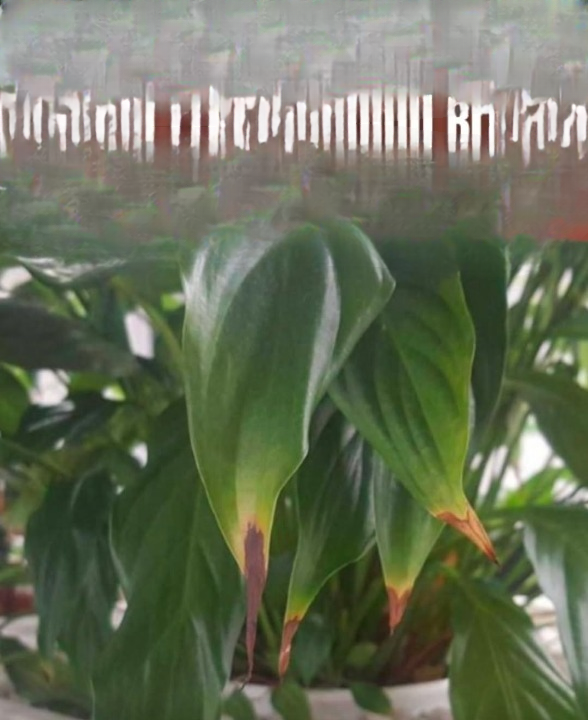
One of the most common concerns people notice is browning around the edges of plant leaves. At first, the tips may turn yellow, and later those areas can become dry, crispy, or brown. It can be frustrating, especially when you’re not sure what caused the change.
Many plant owners ask themselves questions like:
-
Am I watering the plant too much?
-
Am I watering it too little?
-
Is the plant getting enough light?
-
Does the air in my home affect the plant?
The truth is that several factors can contribute to brown leaf edges. In many cases, the problem can be corrected once the underlying cause is understood.
This guide explains the most common reasons why houseplant leaves turn brown around the edges and offers practical steps you can take to help your plants stay healthy and vibrant.
Understanding What Brown Leaf Edges Mean
Before trying to fix the issue, it helps to understand what your plant is trying to tell you.
Plants communicate their needs through visible changes. Leaves may change color, develop spots, curl, or dry out depending on the conditions around them.
Brown edges on leaves often indicate that something in the plant’s environment is slightly out of balance. This doesn’t necessarily mean the plant is dying—it simply means adjustments may be needed.
Some of the most common causes include:
-
Inconsistent watering
-
Low humidity
-
Mineral buildup in water
-
Excess fertilizer
-
Environmental stress
By identifying which factor might be affecting your plant, you can make simple changes that help restore healthier growth.
The Role of Proper Watering
Watering is one of the most important parts of plant care, but it’s also one of the most misunderstood.
Many people assume watering plants is simply a matter of giving them water every few days. However, plants have different needs depending on their species, soil type, and environment.
Both overwatering and underwatering can lead to brown leaf edges.
Why Shallow Watering Can Cause Problems
One common mistake is shallow watering, where only a small amount of water is added to the soil.
When this happens, the water may only moisten the top layer of soil while leaving the deeper roots dry. Since roots absorb most of the moisture, inadequate watering can prevent the plant from getting enough hydration.
Over time, this stress may cause the leaf edges to turn yellow and eventually brown.
How to Water More Effectively
A better approach is deep watering.
This means watering the plant slowly until moisture reaches the bottom of the pot.
A helpful guideline is to water until you see excess water draining from the bottom of the container.
This ensures that:
-
All parts of the soil receive moisture
-
The roots have access to adequate water
-
Salt and mineral buildup can be flushed away
Why Drainage Is Essential for Healthy Plants
Proper drainage plays a crucial role in preventing plant stress.
If water cannot drain from the pot, it may collect around the roots and create overly wet conditions. This environment can interfere with normal root function.
To avoid this problem, make sure your plant containers have drainage holes at the bottom.
Drainage holes allow extra water to escape after watering. This prevents the soil from staying too wet for long periods.
If your decorative pot does not have holes, consider placing the plant in a plastic nursery pot with drainage holes and then setting that pot inside the decorative container.
This allows proper drainage while maintaining the look you prefer.
How Indoor Humidity Affects Houseplants
Another major factor that can influence plant health is humidity.
Many popular houseplants originally come from tropical regions where the air is naturally warm and humid. In these environments, moisture is constantly present in the air.
Inside homes, however, humidity levels are often much lower—especially during colder months when heating systems run frequently.
Dry indoor air can cause moisture to evaporate quickly from plant leaves. As a result, the leaf edges may dry out and develop brown tips.
Signs Your Plant Needs More Humidity
Plants experiencing low humidity may show symptoms such as:
-
Dry or crispy leaf edges
-
Curling leaves
-
Brown leaf tips
-
Slow growth
If you notice these signs, increasing humidity around the plant may help.
Simple Ways to Increase Humidity for Plants
Fortunately, there are several easy ways to raise humidity levels near your plants.
1. Use a Humidifier
A small room humidifier can add moisture to the air and create a more comfortable environment for many plants.
2. Group Plants Together
Plants naturally release moisture through a process called transpiration. Placing several plants close together can slightly increase humidity in that area.
3. Mist the Leaves
Lightly misting plant leaves with water every few days can temporarily increase humidity.
However, misting should be done gently and not excessively.
4. Use a Pebble Tray
A pebble tray involves placing small stones in a shallow tray with water and setting the plant pot on top. As the water evaporates, it adds humidity around the plant.
The Impact of Water Quality on Plants
Another factor that can affect plant health is the type of water used for watering.
Tap water in some areas contains dissolved minerals that can accumulate in the soil over time.
While most plants tolerate tap water well, certain varieties may be sensitive to mineral buildup.
If your home uses water softening systems, the water may contain additional sodium. Some plants do not respond well to high sodium levels in soil.
Alternative Water Options
If you suspect water quality may be affecting your plants, consider trying alternative water sources such as:
-
Filtered water
-
Rainwater
-
Distilled water
These options may help reduce mineral buildup in the soil.
Fertilizer and Plant Nutrition
Fertilizers are designed to provide nutrients that plants need to grow. However, using too much fertilizer can sometimes create problems.
When fertilizer is applied too frequently or in large amounts, excess salts can accumulate in the soil.
This buildup may affect the plant’s ability to absorb water properly, leading to leaf discoloration or browning.
Tips for Safe Fertilizer Use
To avoid over-fertilizing your plants:
-
Follow the recommended instructions on fertilizer packaging
-
Apply fertilizer only during active growing seasons
-
Avoid fertilizing during periods of slow growth
Occasionally watering the plant thoroughly until water drains from the pot can help flush excess salts from the soil.
Environmental Factors That Affect Leaf Health
Beyond watering and humidity, several environmental conditions may influence plant health.
Light Levels
Plants require appropriate light levels to thrive. Too much direct sunlight can scorch leaves, while insufficient light may weaken plant growth.
Temperature Changes
Sudden temperature shifts or drafts from windows, heaters, or air conditioners may stress plants.
Air Circulation
Good air circulation helps prevent moisture buildup on leaves and supports healthy plant growth.
Monitoring these factors can help maintain a balanced environment for your houseplants.
How to Trim Brown Leaf Edges
If a leaf already has brown edges, trimming the damaged area can improve the plant’s appearance.
Use clean scissors or pruning shears and follow the natural shape of the leaf when cutting.
If the damage is limited to the edges, trimming just the brown portion may be enough.
If the entire leaf is heavily damaged, removing the whole leaf may allow the plant to direct energy toward new growth.
Why Occasional Leaf Damage Is Normal
It’s important to remember that no plant remains perfect forever.
Even healthy plants may occasionally develop yellow or brown leaves as part of their natural growth cycle.
Older leaves sometimes fade or dry out as new ones develop.
If only a few leaves show signs of browning while the rest of the plant appears healthy, there may be little cause for concern.
Regular observation helps you notice patterns and respond if the issue becomes widespread.
Creating a Healthy Routine for Indoor Plant Care
Consistent plant care habits can help prevent many common issues.
Consider developing a routine that includes:
-
Checking soil moisture regularly
-
Observing leaves for changes in color or texture
-
Providing appropriate lighting conditions
-
Adjusting humidity levels when needed
-
Cleaning dust from leaves occasionally
Small adjustments made over time can significantly improve plant health.
Learning the Needs of Each Plant Type
Not all houseplants have the same care requirements.
Some plants prefer moist soil, while others thrive in drier conditions. Some enjoy bright sunlight, while others grow better in shaded areas.
Researching the specific needs of your plant species can help you provide the most suitable care.
Over time, you’ll become more familiar with the signs your plants use to communicate their needs.
The Joy of Growing Healthy Houseplants
Caring for houseplants can be a relaxing and rewarding hobby.
Watching plants grow and thrive indoors can bring a sense of accomplishment and connection with nature.
Even experienced plant owners occasionally face challenges such as yellow or brown leaves. The key is learning from these experiences and adjusting care practices as needed.
With patience and observation, most plant issues can be improved.
Final Thoughts
Brown edges on houseplant leaves are a common concern for indoor gardeners. In many cases, the issue can be traced back to factors such as watering habits, humidity levels, fertilizer use, or water quality.
By ensuring proper drainage, watering plants thoroughly, maintaining comfortable humidity levels, and avoiding excessive fertilizer, you can create a healthier environment for your plants.
Trimming damaged leaves and observing your plants regularly can also help maintain their appearance and overall health.
Indoor plants bring beauty and life into living spaces, and with a little attention and care, they can continue to grow and thrive for many years.
With these simple tips and a better understanding of plant needs, you’ll be well on your way to enjoying greener, healthier houseplants throughout your home.