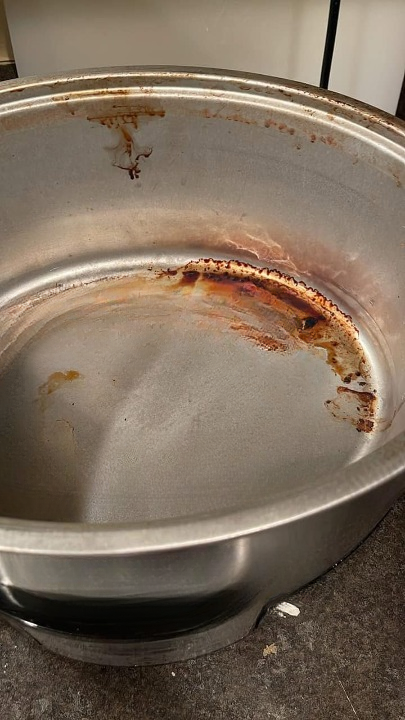
Anyone who enjoys cooking or baking regularly has probably experienced the same issue: baking pans that once looked shiny and clean slowly become dark, greasy, or stained. At first, the marks may appear as light discoloration, but after months or years of use, they can turn into stubborn buildup that seems impossible to remove.
These stains are completely normal. Every time you bake cookies, roast vegetables, prepare casseroles, or cook meats in the oven, small amounts of oil, sugar, and food particles remain behind. When these ingredients are exposed to high heat repeatedly, they can harden and cling tightly to the surface of your cookware.
Even if you wash your pans after every use, some residue can remain. Over time, this buildup becomes darker and harder to clean. Regular dishwashing may remove surface grease, but baked-on stains often require a different approach.
The good news is that you don’t need expensive cleaning products or complicated tools to restore your bakeware. Many effective cleaning solutions rely on common household ingredients that are affordable and easy to find.
With the right methods and a little patience, even heavily stained baking sheets and casserole dishes can look much cleaner again.
This guide explores practical techniques for cleaning several common types of bakeware, including glass, enamel, stainless steel, cast iron, and aluminum pans. You’ll also learn preventative tips that can help keep your pans in better condition in the future.
Understanding Why Bakeware Gets Stained
Before diving into cleaning methods, it helps to understand what causes those stubborn stains in the first place.
Most stains on baking pans come from three main sources:
1. Burned Oils and Fats
Cooking oils and fats are often used to prevent food from sticking. However, when these oils are heated repeatedly, they can oxidize and form a thin, sticky layer on the surface of the pan.
Over time, this layer darkens and becomes harder to remove.
2. Caramelized Sugars
Many baked foods contain sugar. When sugar heats up, it melts and caramelizes. If any sugar spills onto the pan or edges of the dish, it can burn and create tough, sticky stains.
3. Food Residue
Small bits of food can cling to pans after cooking. If they are not fully removed during washing, they may become baked onto the surface during the next use.
This process repeats again and again, gradually creating visible stains.
Fortunately, most of these stains can be improved using simple cleaning techniques.
Method 1: Cleaning Glass and Enamel Bakeware
Glass and enamel dishes are commonly used for casseroles, baked pasta, roasted vegetables, and desserts. They are popular because they distribute heat evenly and allow you to see the food as it cooks.
However, these materials can easily develop baked-on stains.
A simple combination of baking soda, dish soap, and hot water can help loosen the residue.
Step-by-Step Cleaning Method
-
Add Baking Soda
Sprinkle a generous amount of baking soda across the bottom of the dish. Baking soda works as a gentle abrasive that helps lift grime. -
Add Dish Soap
Apply a small amount of liquid dish soap over the baking soda. The soap helps break down grease and oils. -
Pour Hot Water
Fill the bottom of the dish with hot water. The heat helps soften any hardened residue. -
Let It Soak
Allow the dish to sit for about 15–20 minutes. During this time, the mixture begins loosening the stains. -
Scrub Gently
Use a soft brush or sponge to scrub the dish in circular motions. -
Rinse Thoroughly
Rinse with warm water and dry with a clean towel.
Why This Method Works
Baking soda is slightly abrasive but still gentle enough for glass surfaces. Combined with dish soap and warm water, it helps dissolve grease while loosening baked-on food particles.
This approach is simple, effective, and safe for regular use.
Method 2: Cleaning Stainless Steel and Cast Iron Pans
Stainless steel and cast iron cookware are known for their durability. These materials can handle higher temperatures and last for many years when properly maintained.
However, they can also develop dark stains or sticky residue.
A popular cleaning approach uses baking soda and vinegar to help break down stubborn buildup.
Step-by-Step Cleaning Method
-
Sprinkle Baking Soda
Cover the stained areas with a layer of baking soda. -
Add Vinegar
Pour a small amount of distilled vinegar onto the baking soda. You may notice a fizzing reaction. -
Allow the Reaction to Work
Let the mixture sit for several minutes. -
Scrub the Surface
Use a scrub brush or sponge to gently remove loosened residue. -
Rinse and Dry
Wash with warm water and dry thoroughly.
Why Vinegar and Baking Soda Help
Vinegar is mildly acidic, which helps dissolve mineral deposits and grease. Baking soda acts as a soft scrubbing agent.
When combined, they create a bubbling reaction that can help loosen stubborn grime.
Method 3: Cleaning Aluminum Baking Sheets
Aluminum baking sheets are among the most commonly used kitchen tools. They are lightweight, affordable, and excellent for baking cookies, roasting vegetables, and preparing sheet-pan meals.
Unfortunately, they also tend to develop stains quickly.
A simple method involving lemon and coarse salt can help clean them.
Step-by-Step Cleaning Method
-
Cut a Lemon in Half
Slice a lemon into several pieces. -
Add Coarse Salt
Sprinkle coarse salt over the stained areas of the pan. -
Use the Lemon as a Scrubber
Rub the lemon pieces over the salt and the stained surface. -
Scrub in Circular Motions
Continue scrubbing until the residue begins to loosen. -
Wash With Warm Soapy Water
Rinse the pan and wash it normally with dish soap.
Why Lemon and Salt Work
Lemon contains natural acids that help break down grease and discoloration. Salt adds gentle scrubbing power.
Together, they help lift stains without damaging the aluminum surface.
Additional Techniques for Cleaning Stubborn Bakeware
Sometimes stains require a little extra effort. If the methods above don’t fully remove the buildup, you can try a few additional techniques.
Baking Soda Paste
Create a paste using baking soda and a small amount of water. Apply it directly to the stained areas and let it sit for 30 minutes before scrubbing.
Soaking Overnight
For extremely stubborn residue, soaking the pan overnight in warm soapy water can soften hardened food particles.
Using Non-Scratch Scrubbers
A non-scratch scrub pad can help remove buildup without damaging the pan’s surface.
Tips for Preventing Future Stains
Cleaning stained bakeware is easier when you take steps to prevent buildup in the first place.
Here are some simple habits that can help keep your pans cleaner.
Use Parchment Paper
Parchment paper creates a protective layer between food and the pan. This reduces sticking and helps prevent burned residue.
Line Pans With Foil
Foil can also protect the surface of the pan when roasting foods that release grease.
Wash Pans Soon After Use
Cleaning bakeware shortly after it cools prevents residue from hardening.
Avoid Harsh Metal Scrubbers
Metal scrubbers can scratch surfaces, making them more likely to trap food residue.
Dry Pans Thoroughly
Proper drying helps prevent water spots and mineral deposits.
Understanding Different Bakeware Materials
Each type of bakeware reacts differently to heat and cleaning methods.
Understanding these differences can help you choose the best care routine.
Glass Bakeware
Glass is durable and easy to clean, but it can develop baked-on stains from sugary foods.
Enamel-Coated Dishes
Enamel surfaces resist sticking but should be cleaned gently to avoid scratches.
Stainless Steel
Stainless steel is highly durable but may show discoloration from heat and oil.
Cast Iron
Cast iron requires special care because it develops a natural seasoning layer that should not be stripped away completely.
Aluminum
Aluminum pans heat quickly but can stain easily due to oxidation.
Each material benefits from slightly different cleaning approaches.
Why Natural Cleaning Methods Are Popular
Many people prefer simple cleaning ingredients because they are affordable and widely available.
Common household products such as baking soda, vinegar, lemon, and salt have been used for generations to clean kitchen items.
These ingredients are valued because they:
-
Are inexpensive
-
Are easy to find
-
Can help remove grease and residue
-
Are simple to use
While commercial cleaners can also be effective, natural methods remain popular for routine cleaning tasks.
Restoring the Appearance of Old Baking Sheets
Even when baking sheets become dark or stained, they can still function perfectly well. Discoloration does not necessarily affect their ability to cook food properly.
However, cleaning them occasionally can improve their appearance and reduce lingering grease.
Restoring older pans often requires patience. Gradual cleaning over several sessions may produce better results than trying to remove everything at once.
With consistent care, even well-used bakeware can look significantly improved.
When It May Be Time to Replace a Pan
Although most baking pans last many years, there are times when replacing them might be a good idea.
Signs that a pan may need replacement include:
-
Warping that prevents even cooking
-
Deep scratches that trap residue
-
Rust that cannot be removed
-
Peeling coatings on nonstick surfaces
In these cases, purchasing a new pan may be the safest and most practical option.
The Value of Proper Bakeware Care
Taking care of your baking pans helps extend their lifespan and maintain their performance.
Simple habits like lining pans, washing them promptly, and using gentle cleaning techniques can make a big difference over time.
Clean cookware also makes the cooking experience more enjoyable. When pans look tidy and well-maintained, preparing meals often feels easier and more satisfying.
Final Thoughts
Stained baking pans and sheets are a common part of cooking and baking. Over time, oils, sugars, and food particles naturally leave behind marks that regular dishwashing may not fully remove.
Fortunately, several simple cleaning methods can help restore your bakeware.
Using ingredients like baking soda, vinegar, lemon, and salt can help loosen stubborn residue and improve the appearance of your pans. These methods are easy to try and rely on items many people already have at home.
Equally important are preventative habits such as lining pans, washing them promptly, and avoiding harsh scrubbing tools.
With regular care and the right techniques, your baking pans can stay in good condition for years, helping you continue preparing delicious meals and baked treats whenever inspiration strikes.