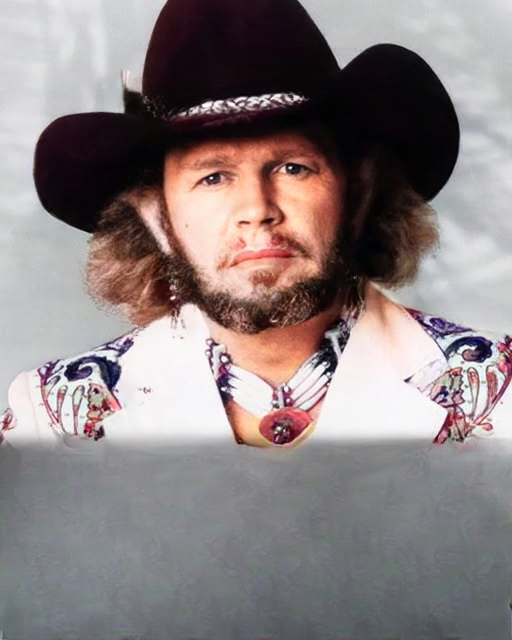
The world of country music is mourning the loss of David Allan Coe, one of the most controversial and influential figures in the history of outlaw country. Coe died on April 29, 2026, at the age of 86, according to statements confirmed by his family and representatives. No official cause of death was immediately released.
For decades, Coe remained one of country music’s most unconventional voices. Admired by loyal fans for his raw storytelling and rebellious image, he also faced criticism throughout his career for provocative material and personal controversies. His life became a complicated blend of artistic brilliance, public backlash, and unwavering independence.
A Difficult Beginning That Shaped His Identity
Born on September 6, 1939, in Akron, Coe’s early years were marked by instability and frequent encounters with the juvenile justice system. Unlike many country stars who built careers around family-friendly images, Coe embraced his troubled past and transformed it into the foundation of his musical identity.
Those experiences became central themes in his songwriting. His lyrics often reflected hardship, prison life, loneliness, rebellion, and survival. Rather than hiding his past, Coe built an entire career around being an outsider.
That outsider image would eventually become one of the defining characteristics of the outlaw country movement.
Arriving in Nashville With Almost Nothing
In 1967, Coe arrived in Nashville hoping to break into the music industry. Success did not come immediately.
For years, he worked as a songwriter, performing wherever he could while trying to gain recognition. His major breakthrough arrived when Tanya Tucker recorded his song Would You Lay With Me (In a Field of Stone), which reached the top of the country charts in 1974.
The success established Coe as a gifted songwriter and opened doors that had previously remained closed.
Building an Outlaw Country Legacy
Coe soon stepped into the spotlight himself with albums that showcased his distinctive voice and fearless approach to storytelling.
His 1974 debut album, The Mysterious Rhinestone Cowboy, introduced audiences to his larger-than-life personality. A year later, he released Once Upon a Rhyme, which included one of his most enduring songs, You Never Even Called Me by My Name.
The song became a country classic thanks to its humor and self-awareness. Many fans still refer to it as “the perfect country and western song.”
Throughout the 1970s and 1980s, Coe continued producing memorable tracks including:
- Longhaired Redneck
- The Ride
- Mona Lisa Lost Her Smile
- Willie, Waylon and Me
His deep baritone voice and blend of country, blues, and southern rock helped distinguish him from mainstream Nashville performers.
The Songwriter Behind a Working-Class Anthem
Even people unfamiliar with Coe’s recordings often know one of his most famous compositions.
He wrote Take This Job and Shove It, which became a massive hit for Johnny Paycheck in 1977. The song resonated with working-class audiences and remains one of the most recognizable country songs ever recorded.
The track cemented Coe’s reputation as a songwriter capable of capturing frustration, pride, and everyday struggles in a way that connected deeply with listeners.
A Career Shadowed by Controversy
Despite his undeniable musical influence, Coe’s career was frequently overshadowed by controversy.
He released underground albums containing explicit material that drew criticism for racist, offensive, and inflammatory content. Projects such as Nothing Sacred and Underground Album generated lasting backlash and remain among the most disputed parts of his legacy.
Coe later claimed that some of the material was intended as satire and expressed regret about recording certain songs. However, critics argued that the damage to his public reputation was permanent.
The controversies ensured that while Coe became a legendary figure among many outlaw country fans, he never achieved the same mainstream acceptance enjoyed by contemporaries such as Willie Nelson or Waylon Jennings.
Legal Problems Later in Life
Coe’s turbulent reputation extended beyond music.
In 2015, he pleaded guilty to obstructing the Internal Revenue Service and was later sentenced to probation while being ordered to pay substantial restitution related to unpaid taxes.
The case became another chapter in a life already filled with public controversies and personal challenges.
An Influence That Endured
Even as country music evolved, Coe continued performing and recording for devoted audiences. He maintained a loyal fan base that appreciated his authenticity, rebellious attitude, and refusal to conform to industry expectations.
His influence extended beyond country music. Artists from rock and heavy metal communities frequently cited him as an inspiration, and he collaborated with members of Pantera on later projects.
For many musicians, Coe represented artistic independence at its most extreme.
A Complicated Legacy
David Allan Coe leaves behind a legacy that remains impossible to summarize in simple terms.
He was a gifted songwriter, a pioneering figure in outlaw country, and the creator of songs that continue to resonate with listeners decades later. He was also a deeply polarizing public figure whose career sparked ongoing debates about art, accountability, and personal conduct.
Whether remembered for his music, his rebellious spirit, or the controversies that followed him, Coe’s impact on country music remains undeniable.
His songs helped define an era, and his influence will continue to be felt long after his passing.