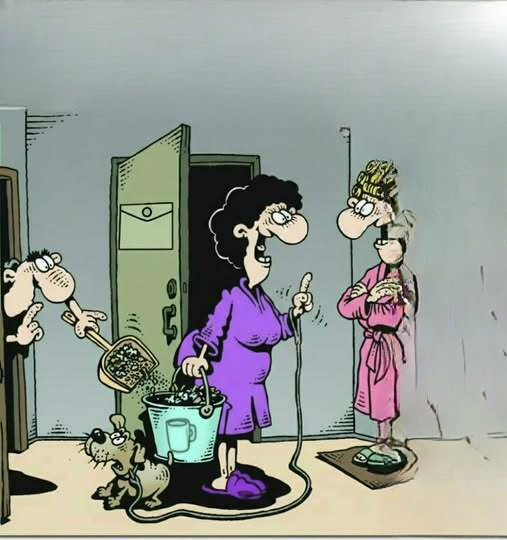
Introduction
In a world that is becoming increasingly fast-paced and digital, human connection is often reduced to screens, messages, and brief interactions. Yet, one of the most immediate and meaningful forms of human connection still exists right next door—our neighbors.
Neighbors are the people who share our physical environment. They live in the same buildings, walk the same streets, hear the same daily sounds, and experience many of the same local conditions. Even though they are not family, they often become an important part of our daily lives, sometimes in ways we do not immediately recognize.
A strong relationship with neighbors can transform an ordinary residential area into a safe, friendly, and welcoming community. On the other hand, misunderstandings, lack of communication, or disrespect can turn the same environment into a stressful and uncomfortable place to live.
This is why learning how to live peacefully with neighbors is not just a matter of etiquette—it is a practical life skill that improves well-being, safety, and quality of life.
Why Neighbors Matter More Than We Think
Many people underestimate the importance of neighbor relationships until a problem arises. Neighbors are often the first people available during emergencies, unexpected situations, or daily inconveniences.
They may be the ones who:
- Notice unusual activity around your home
- Help during emergencies or accidents
- Collect packages or deliveries when you are away
- Provide support during difficult times
- Share essential local information
In many cases, neighbors become a silent support system that people rely on more than they realize.
A good neighbor relationship does not require deep friendship, but it does require mutual respect and basic cooperation.
First Impressions Shape Long-Term Relationships
The first interaction between neighbors often sets the tone for the entire relationship. A simple greeting, smile, or introduction can leave a lasting impression that influences future communication.
When moving into a new home or apartment, small gestures can make a significant difference:
- Introducing yourself politely
- Greeting neighbors in shared spaces
- A short friendly conversation
- A simple “hello” when passing by
These actions may seem small, but they build familiarity and reduce social distance. Once familiarity is established, future communication becomes easier and more natural, especially when resolving misunderstandings.
A positive first impression creates a foundation of trust that can last for years.
Respecting Noise Levels and Shared Peace
One of the most common sources of tension between neighbors is noise. Since people have different schedules, lifestyles, and sensitivities, what feels normal to one person may be disruptive to another.
Common noise-related issues include:
- Loud music or television
- Late-night conversations or gatherings
- Heavy footsteps in shared buildings
- Barking pets
- Construction or household activities at inconvenient hours
Respecting quiet hours and being aware of how sound travels in shared living spaces shows consideration and maturity.
Peaceful environments are not created by silence alone, but by mutual awareness.
Simple actions like lowering volume at night or informing neighbors before hosting an event can significantly reduce conflict.
Communication Prevents Unnecessary Conflict
Most neighbor disputes do not begin as serious problems. They often start from misunderstandings or lack of communication.
For example:
- A parking space used accidentally
- Garbage placed in the wrong area
- Misunderstood property boundaries
- Unclear building rules
When people do not communicate, small issues can grow into long-term resentment.
Open, respectful communication is one of the most effective tools for maintaining harmony. In many cases, a calm conversation can resolve an issue immediately before it escalates.
Face-to-face discussions are often more effective than written complaints or indirect messages, as they allow both sides to understand tone, intention, and context.
Helping Each Other Builds Strong Community Bonds
Small acts of kindness between neighbors can create strong and lasting connections. These gestures do not need to be large or expensive. In fact, simple actions often have the greatest impact.
Examples include:
- Receiving or holding packages
- Helping during travel or vacations
- Lending basic tools
- Assisting with groceries or heavy items
- Checking in during illness or emergencies
These actions build trust and create a sense of safety within the community.
A supportive neighborhood is often one where people feel they are not alone during difficult times.
Kindness between neighbors strengthens the emotional fabric of a community.
The Importance of Healthy Boundaries
While friendliness is valuable, personal boundaries are equally important. Every individual has a right to privacy, space, and personal time.
Healthy boundaries help prevent misunderstandings and ensure long-term comfort in shared living environments.
It is perfectly acceptable to politely decline requests or limit interaction when needed. Boundaries are not signs of rejection—they are expressions of self-respect.
A respectful way to set boundaries might include:
- “Thank you for the offer, but I need some personal time.”
- “I appreciate it, but I prefer to handle this myself.”
Clear and polite communication helps maintain balance between friendliness and privacy.
Building Community Through Shared Activities
Occasional shared activities can significantly strengthen relationships between neighbors. When people gather in a relaxed environment, it becomes easier to build trust and understanding.
Examples of community-building activities include:
- Small neighborhood coffee gatherings
- Shared outdoor meals or barbecues
- Holiday celebrations
- Building or courtyard events
- Clean-up or beautification projects
These activities help transform a group of individuals into a connected community.
Even a single annual gathering can improve communication and create a friendlier atmosphere throughout the year.
Cleanliness Reflects Respect for Others
Shared spaces require shared responsibility. Cleanliness is not just about appearance—it is about respect for everyone who lives in the area.
Good community habits include:
- Proper disposal of trash
- Keeping hallways and entrances clean
- Respecting parking areas
- Cleaning up after pets
- Maintaining shared gardens or courtyards
When residents care for their environment, everyone benefits.
A simple mindset that can improve shared living conditions is:
“Leave common spaces better than you found them.”
Embracing Diversity in Modern Communities
Modern neighborhoods often include people from different cultures, backgrounds, beliefs, and lifestyles. This diversity can sometimes lead to misunderstandings, but it also presents opportunities for learning and growth.
Respecting differences helps build stronger and more inclusive communities. Instead of reacting with judgment, choosing curiosity and understanding can lead to meaningful connections.
Even small conversations can break down stereotypes and build mutual respect.
A diverse neighborhood becomes stronger when its residents focus on what they share rather than what separates them.
Resolving Conflicts in a Calm and Constructive Way
Conflicts are a natural part of shared living. The key is not avoiding them entirely but handling them in a healthy and respectful way.
When disagreements occur, it is important to:
- Stay calm and avoid emotional reactions
- Listen carefully to the other person’s perspective
- Focus on solutions rather than blame
- Address issues early before they escalate
In many cases, conflicts can be resolved without outside intervention if communication remains respectful and constructive.
Documentation may be useful in certain situations, but dialogue should always be the first step.
The Power of Everyday Kindness
Small daily gestures often shape the overall atmosphere of a neighborhood more than major events or formal arrangements.
Simple acts such as:
- Greeting neighbors
- Smiling in shared spaces
- Holding doors open
- Offering polite compliments
- Acknowledging others respectfully
may seem insignificant, but they gradually build a positive environment.
Kindness spreads quickly in communities and often encourages others to behave similarly.
Building Stronger Communities Through Awareness
A strong neighborhood is not created by chance. It is built through consistent awareness, respect, and cooperation among residents.
People may not choose their neighbors, but they can always choose how they interact with them.
When individuals make small efforts to communicate, show respect, and support one another, the entire community benefits.
Conclusion
Living peacefully with neighbors is one of the most important aspects of modern community life. It is based not on perfection, but on understanding, communication, and mutual respect.
Every neighbor is a human being with their own challenges, routines, and responsibilities. Recognizing this simple truth helps create empathy and patience in daily interactions.
Strong communities are built one interaction at a time—through greetings, cooperation, kindness, and respect.
As the saying goes:
“A good neighbor is better than a distant relative.”
A peaceful neighborhood is not created overnight, but through countless small acts of humanity that slowly shape a better place for everyone to live.