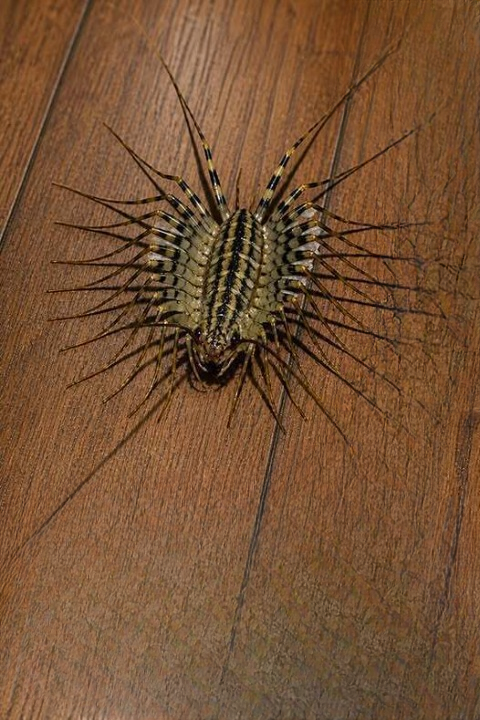
Few household pests create instant panic quite like the house centipede.
You spot something with dozens of legs racing across the floor at surprising speed, disappearing behind a cabinet or into a dark corner before you can fully process what you just saw. For many people, the reaction is immediate: discomfort, alarm, and the sudden urge to remove it from the house as quickly as possible.
The appearance of a house centipede can certainly be unsettling. Its long legs, rapid movements, and unusual shape make it look far more threatening than many other household insects.
However, despite how alarming they appear, house centipedes are generally considered more of a nuisance than a serious danger to humans.
In fact, many experts describe them as beneficial predators because they feed on a variety of common household pests.
Understanding why house centipedes appear indoors — and what they actually do — can help reduce unnecessary fear and help homeowners decide how they want to handle them.
What Is a House Centipede?
The insect most people encounter indoors is commonly known as the house centipede.
House centipedes are easily recognized by:
- Long, thin bodies
- Numerous delicate legs
- Very fast movement
- Long antennae
- Grayish or yellow-brown coloring with darker stripes
Their many legs and rapid speed often make them seem larger or more dangerous than they really are.
Unlike worms or millipedes, house centipedes are active hunters rather than slow-moving scavengers.
Why House Centipedes Enter Homes
House centipedes prefer environments that are:
- Damp
- Dark
- Quiet
- Humid
That’s why they are commonly found in places like:
- Basements
- Bathrooms
- Laundry rooms
- Garages
- Crawl spaces
- Storage areas
They are especially attracted to homes where smaller insects are already present because those insects serve as their food source.
What Do House Centipedes Eat?
One reason some people tolerate house centipedes is because they prey on other household pests.
Their diet may include:
- Cockroaches
- Silverfish
- Ants
- Spiders
- Termites
- Moths
- Small flies
- Bed bugs
- Other small insects
Because they actively hunt pests, seeing frequent house centipedes may sometimes indicate that other insects are also present in the home.
Are House Centipedes Dangerous?
For most people, house centipedes are not considered dangerous.
Although they do possess venom used to capture small insects, they rarely bite humans. House centipedes generally avoid people and prefer escaping rather than interacting.
In the uncommon event of a bite, symptoms are usually mild and may resemble a minor insect sting.
Most concerns surrounding house centipedes are related more to appearance and surprise than actual physical risk.
Why They Trigger Such Strong Fear
House centipedes are a good example of how appearance strongly influences human reactions.
Several features make them especially unsettling to many people:
- Extremely fast movement
- Numerous legs moving simultaneously
- Sudden appearance at night
- Unpredictable direction changes
- Long antennae
- Spider-like behavior
Human brains are naturally sensitive to rapid, unpredictable movements, especially involving creatures that resemble spiders or insects.
Even people who are normally comfortable around bugs often find house centipedes uncomfortable to look at.
Why They Move So Fast
House centipedes are built for hunting.
Their speed helps them chase and capture smaller insects quickly while also escaping predators.
They are mostly nocturnal, meaning they are more active at night when homes are quieter and many insects emerge.
That’s why people often encounter them suddenly in bathrooms or basements during late evening hours.
House Centipedes Usually Avoid Humans
Despite dramatic internet myths, house centipedes are not interested in:
- Crawling into beds
- Attacking people
- Living on humans
- Seeking human contact
Their primary goal indoors is finding shelter and hunting smaller insects.
When exposed to light or movement, they typically try to escape immediately.
Are They a Sign of a Bigger Pest Problem?
Sometimes.
Because house centipedes feed on other insects, their presence may indicate that a home provides enough prey to support them.
This does not automatically mean there is a severe infestation, but it can suggest:
- Excess moisture
- Hidden insects
- Poor ventilation
- Cracks or entry points
- Damp storage areas
If centipedes appear frequently, it may be worth checking for underlying pest or moisture issues.
Why Moisture Attracts Them
House centipedes lose moisture easily through their bodies, so they prefer humid environments where dehydration is less likely.
Common moisture sources include:
- Leaking pipes
- Damp basements
- Poor ventilation
- Condensation
- Wet towels or laundry
- Standing water
Reducing humidity often helps reduce centipede activity indoors.
How to Make Your Home Less Attractive to House Centipedes
If you prefer not to have house centipedes indoors, several practical steps may help discourage them.
1. Reduce Humidity
Using a dehumidifier in damp areas can make conditions less favorable for both centipedes and the insects they hunt.
Basements are especially important to monitor.
2. Fix Water Leaks
Repair leaking pipes, faucets, or drainage issues that create persistent moisture.
3. Improve Ventilation
Bathrooms, laundry rooms, and basements benefit from better airflow.
Ventilation helps reduce humidity and moisture buildup.
4. Seal Entry Points
Small cracks around windows, doors, foundations, and pipes may allow insects to enter.
Sealing gaps can help reduce access.
5. Reduce Other Insects
Since house centipedes feed on smaller pests, reducing insect populations may naturally reduce centipede activity as well.
Should You Kill House Centipedes?
That depends on personal preference.
Some homeowners choose to remove them because they dislike their appearance or feel uncomfortable seeing them indoors.
Others tolerate occasional centipedes because they help control smaller pests naturally.
Some people use catch-and-release methods instead of killing them outright.
There is no single “correct” response — comfort levels vary widely.
Chemical Sprays Are Not Always Necessary
Many people immediately reach for insect sprays after seeing a house centipede.
However, widespread chemical use may not always be necessary, especially if sightings are infrequent.
Addressing moisture and insect activity often works more effectively long term than relying solely on sprays.
If infestations become significant, professional pest control services may help identify underlying causes.
Why Basements Are Common Hiding Places
Basements provide nearly ideal conditions for house centipedes because they are often:
- Cooler
- Darker
- More humid
- Less disturbed by people
Storage boxes, clutter, and unfinished walls may also create hiding places for both centipedes and the insects they hunt.
The Difference Between House Centipedes and Millipedes
People sometimes confuse centipedes with millipedes, but they are quite different.
House centipedes:
- Move quickly
- Hunt insects
- Have longer legs
- Prefer active movement
Millipedes:
- Move slowly
- Feed mostly on decaying material
- Curl into defensive shapes
- Have shorter legs positioned differently
House centipedes generally appear more alarming because of their speed and movement style.
Why Fear Often Fades With Understanding
Learning more about house centipedes does not necessarily make them pleasant to encounter, but it often changes the emotional reaction slightly.
People tend to fear unknown creatures more intensely.
Once homeowners understand that house centipedes:
- Rarely bite
- Avoid humans
- Do not damage homes
- Feed on pests
the panic surrounding them often becomes more manageable.
Common Myths About House Centipedes
Several myths exaggerate the risks associated with house centipedes.
Myth: They aggressively attack humans.
False. They usually flee when disturbed.
Myth: They spread disease.
There is no strong evidence that house centipedes commonly spread disease to humans.
Myth: They infest beds or hair.
These are internet myths unsupported by typical centipede behavior.
Myth: Seeing one always means infestation.
Occasional sightings are common and do not necessarily indicate a major problem.
Why They Often Appear Suddenly
Because house centipedes are nocturnal and fast-moving, people may live with them for long periods without noticing them.
They usually become visible only when:
- Lights are turned on suddenly
- They cross open floors
- They search for prey
- Weather conditions change
This sudden appearance often makes them seem more alarming than they actually are.
Nature’s Role Indoors
Although many people dislike seeing insects inside the home, house centipedes are part of a natural ecosystem that occasionally overlaps with indoor environments.
Their presence reflects:
- Moisture levels
- Available food sources
- Shelter conditions
Like many creatures, they are simply trying to survive using the resources available.
Final Thoughts
House centipedes may look frightening, but they are generally far less dangerous than their appearance suggests.
While their speed and many legs understandably trigger discomfort for many people, they are typically shy predators that spend most of their time hunting other household pests rather than bothering humans.
In many cases, they actually help reduce populations of insects like cockroaches, silverfish, ants, and spiders.
If their presence makes you uncomfortable, reducing humidity, sealing entry points, improving ventilation, and addressing other pest activity can help discourage them naturally.
Most importantly, understanding what house centipedes are — and what they are not — can make those sudden late-night encounters feel slightly less alarming.
You still may not enjoy seeing one race across the basement floor.
But knowing it is more interested in hunting pests than interacting with you can make the experience feel a