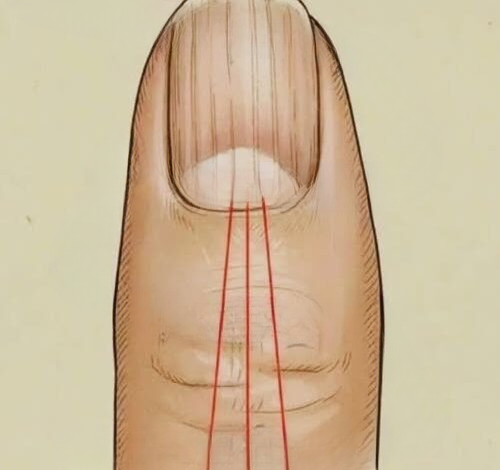
In today’s world of beauty trends and wellness innovations, it’s easy to assume that the answer to every cosmetic concern comes in a bottle. From strengthening polishes to ridge-filling base coats and high-end salon treatments, there are countless products promising flawless nails. Yet one of the most common nail concerns—vertical ridges—often has less to do with what we apply externally and more to do with what we provide internally.
Nails are not just decorative features at the tips of our fingers. They are living indicators of our internal health. Just like skin and hair, nails respond to nutritional intake, hydration levels, hormonal balance, and overall wellness. When subtle changes appear—such as fine vertical lines running from the cuticle to the tip—it may be the body’s quiet way of signaling that it needs additional support.
While vertical nail ridges are often a normal part of aging, they can sometimes reflect mild nutritional gaps. The encouraging news is that dietary adjustments can support healthier nail growth over time. Instead of masking ridges with cosmetic solutions, a nutrition-focused approach addresses the foundation of nail health: the nail matrix.
This comprehensive guide explores how specific nutrients contribute to smoother, stronger nails, what foods to prioritize, and how to create a long-term dietary plan that supports nail resilience naturally.
Understanding Nail Ridges: What Are They?
Vertical nail ridges are thin, raised lines that extend from the cuticle to the tip of the nail. In most cases, they are harmless and become more noticeable with age. As we grow older, cell turnover slows slightly, and the nail plate may develop subtle textural variations.
However, nails grow from living tissue called the nail matrix, located beneath the cuticle. Because this matrix depends on a steady supply of nutrients and oxygen, any disruption—whether from stress, dietary imbalance, or temporary illness—can influence how the nail forms.
When the matrix does not receive optimal nourishment, it may produce keratin (the primary structural protein of nails) unevenly. The result can be visible ridges.
The key takeaway: nails reflect internal conditions. Improving nail texture begins with supporting the matrix that creates them.
The Science of Nail Growth
Nails are composed primarily of keratin, a fibrous structural protein also found in hair and skin. Keratin is built from amino acids, which are derived from dietary protein.
Healthy nail production requires:
-
Adequate protein intake
-
Essential vitamins
-
Key minerals
-
Proper hydration
-
Healthy blood circulation
Fingernails grow approximately 2–3 millimeters per month. Because growth is gradual, improvements from nutritional changes take time to appear—often several months.
Patience is essential. The nail you see today was formed weeks ago.
Protein: The Foundation of Strong Nails
Since nails are made of keratin, protein is the cornerstone of nail health. A diet lacking high-quality protein can result in:
-
Thinner nails
-
Increased brittleness
-
More visible ridges
Protein supplies amino acids such as cysteine and methionine, which help form the strong bonds that give keratin its structure.
Best Protein Sources for Nail Support
Animal-Based Options:
-
Eggs
-
Lean poultry
-
Fish
-
Greek yogurt
-
Lean red meat
Plant-Based Options:
-
Lentils
-
Chickpeas
-
Black beans
-
Tofu
-
Tempeh
-
Quinoa
Eggs are particularly beneficial because they contain all essential amino acids and sulfur compounds that help strengthen keratin.
For optimal nail growth, protein intake should be consistent throughout the day rather than concentrated in a single meal.
Biotin (Vitamin B7): Supporting Keratin Infrastructure
Biotin, also known as Vitamin B7, plays a vital role in keratin production. It assists enzymes involved in protein metabolism and supports the structural integrity of nails.
Some research suggests that biotin supplementation may improve nail thickness in individuals with brittle nails. However, many people can meet their needs through diet alone.
Foods Rich in Biotin
-
Almonds
-
Walnuts
-
Peanuts
-
Sweet potatoes
-
Spinach
-
Eggs (especially cooked)
-
Sunflower seeds
Because biotin is water-soluble, it must be consumed regularly.
It’s important to consult a healthcare provider before starting supplements, as high doses may interfere with certain laboratory tests.
Iron: Oxygen for Nail Growth
Iron is essential for delivering oxygen to cells, including those in the nail matrix. Without sufficient oxygen, nail growth may slow or become uneven.
Iron deficiency can sometimes cause:
-
Brittle nails
-
Increased ridging
-
Pale nail beds
Iron-Rich Foods
Heme Iron (More Readily Absorbed):
-
Lean beef
-
Chicken thighs
-
Turkey
Non-Heme Iron (Plant-Based):
-
Spinach
-
Lentils
-
Pumpkin seeds
-
Tofu
-
Black beans
To enhance absorption of plant-based iron, pair it with vitamin C-rich foods such as:
-
Bell peppers
-
Citrus fruits
-
Strawberries
-
Tomatoes
For example, adding lemon juice to a spinach salad can improve iron uptake.
If iron deficiency is suspected, a healthcare provider can perform appropriate testing.
Zinc: Essential for Cell Division
Zinc plays a critical role in tissue repair and cell growth. Because the nail matrix is constantly producing new cells, adequate zinc is necessary for smooth, consistent nail formation.
Low zinc levels may contribute to:
-
Slow nail growth
-
White spots
-
Textural irregularities
Zinc-Rich Foods
-
Oysters
-
Pumpkin seeds
-
Cashews
-
Chickpeas
-
Whole grains
-
Yogurt
The body does not store zinc in large amounts, so daily intake is important.
Omega-3 Fatty Acids: Supporting Nail Flexibility and Hydration
Dry, brittle nails can make ridges appear more prominent. Omega-3 fatty acids help maintain moisture and flexibility in tissues throughout the body, including nails.
They also support healthy blood flow, ensuring nutrients reach the nail matrix efficiently.
Best Sources of Omega-3s
-
Salmon
-
Sardines
-
Mackerel
-
Chia seeds
-
Flaxseeds
-
Walnuts
Including omega-3-rich foods regularly can improve overall nail resilience.
Hydration: The Overlooked Factor
Dehydration can make nails appear brittle and emphasize natural ridges.
Proper hydration supports:
-
Elasticity
-
Smooth texture
-
Overall nail strength
Aim to drink adequate water throughout the day. Additionally, hydrating foods contribute to fluid intake.
Water-Rich Foods
-
Cucumbers
-
Watermelon
-
Oranges
-
Celery
-
Strawberries
Hydration works synergistically with nutrients to maintain nail health.
Vitamin C: Collagen and Structural Support
Vitamin C is essential for collagen production. Although nails are primarily keratin, collagen supports the surrounding tissues and nail bed.
It also enhances iron absorption, making it doubly beneficial.
Vitamin C-Rich Foods
-
Oranges
-
Kiwi
-
Bell peppers
-
Broccoli
-
Strawberries
Incorporating colorful fruits and vegetables ensures adequate vitamin C intake.
Vitamin A: Supporting Cell Growth
Vitamin A assists in cell development and immune function. However, balance is key. Both deficiency and excessive supplementation can affect nail health.
Food Sources of Vitamin A
-
Sweet potatoes
-
Carrots
-
Spinach
-
Kale
-
Butternut squash
Obtaining vitamin A through food rather than high-dose supplements is generally safest.
Magnesium: Structural and Metabolic Support
Magnesium participates in hundreds of enzymatic reactions, including protein synthesis.
Low magnesium may contribute to brittle nails.
Magnesium-Rich Foods
-
Almonds
-
Cashews
-
Dark leafy greens
-
Whole grains
-
Black beans
Including a variety of plant-based foods typically provides sufficient magnesium.
The Importance of Balanced Eating
Rather than focusing on a single “miracle nutrient,” nail health thrives on dietary balance.
A well-rounded plate should include:
-
Lean protein
-
Healthy fats
-
Whole grains
-
Fruits and vegetables
-
Nuts and seeds
Diet diversity ensures comprehensive nutrient coverage.
How Long Does It Take to See Improvement?
Nail growth is slow. Most people need 4–6 months to see visible improvement after dietary changes.
Consistency matters more than short-term fixes.
Unlike topical products that temporarily smooth ridges, nutrition addresses root causes.
When to Seek Medical Advice
While vertical ridges are typically harmless, consult a healthcare provider if you notice:
-
Deep horizontal grooves (Beau’s lines)
-
Sudden color changes
-
Thickening or thinning
-
Persistent brittleness
These changes can sometimes reflect underlying health conditions.
Lifestyle Factors That Support Nail Health
Nutrition is foundational, but other habits also matter:
-
Avoid excessive use of harsh nail polish removers
-
Wear gloves when cleaning
-
Keep nails moisturized
-
Avoid biting or picking
-
Manage stress
Chronic stress can affect nutrient absorption and circulation.
Sample Daily Meal Plan for Nail Support
Breakfast:
Greek yogurt with walnuts, chia seeds, and berries
Lunch:
Spinach salad with grilled chicken, pumpkin seeds, and bell peppers
Snack:
Almonds and an orange
Dinner:
Baked salmon with quinoa and roasted sweet potatoes
This combination delivers protein, iron, zinc, omega-3s, vitamin C, and biotin-supportive nutrients.
Supplements: Necessary or Not?
For most individuals, a balanced diet provides sufficient nutrients.
However, supplementation may be appropriate in cases of documented deficiency. Always consult a healthcare professional before starting supplements.
The Bigger Picture: Beauty from Within
Healthy nails are not just about appearance—they reflect systemic wellness.
By focusing on whole foods and balanced nutrition, you support:
-
Skin
-
Hair
-
Immune function
-
Energy levels
-
Overall vitality
Nail improvement becomes a byproduct of overall health optimization.
Final Thoughts
Vertical nail ridges are often a natural part of aging, but nutrition can play a supportive role in minimizing their appearance.
By prioritizing:
-
High-quality protein
-
Biotin-rich foods
-
Iron and zinc sources
-
Omega-3 fatty acids
-
Adequate hydration
-
A colorful variety of fruits and vegetables
You provide your body with the building blocks needed for smoother, stronger nails.
Lasting change takes time. As new, healthier nail growth gradually replaces older sections, improvements become visible.
True beauty begins internally. When you nourish your body thoughtfully and consistently, your nails—like the rest of you—can reflect that care.