Success stories often appear polished when viewed from the outside. They are retold in headlines, interviews, and documentaries that highlight the triumph while compressing the struggle into a few dramatic sentences. But behind many of the world’s most recognizable achievements lies a reality far more difficult, uncertain, and human than most people imagine.
The story of Sylvester Stallone is one of those rare journeys that continues to resonate across generations—not because it is glamorous, but because it is deeply real. It is a story about persistence when there is no guarantee of success, belief when no one else shares it, and the quiet determination to continue even when every sign suggests stopping would be easier.
Long before fame, awards, and global recognition, Stallone’s life was defined by instability, rejection, and a constant search for direction. His early years were shaped by circumstances that would have discouraged many from even attempting a creative career.
A Challenging Beginning
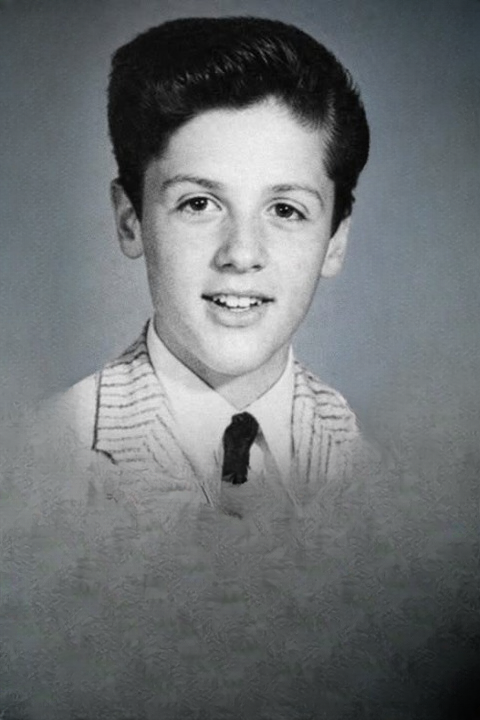
Sylvester Stallone entered the world under difficult conditions. Complications during his birth resulted in nerve damage that affected parts of his face, giving him the distinctive speech and expression that would later become widely recognized. At the time, however, these traits were not seen as unique or marketable—they were seen as obstacles.
As a child, he faced frequent criticism and misunderstanding. His appearance and speech made him stand out, often in ways that were not kind. School life proved equally challenging. He struggled academically and was expelled from multiple institutions, leaving him without a stable educational path.
At home, life was far from peaceful. His parents’ relationship was marked by conflict, and the environment lacked the consistency and support that many children rely on. These early experiences shaped his worldview in significant ways. He learned quickly that stability was not guaranteed and that he would likely need to rely on himself to navigate whatever came next.
Despite these challenges, something within him remained active—a sense of imagination, a desire to express himself, and a growing interest in storytelling.
Discovering a Path in Acting
For Stallone, acting was not simply a career aspiration. It became a form of escape, a way to process experiences and explore identity. Through performance, he found a space where his differences could be transformed into strengths rather than limitations.
However, the path into the entertainment industry is rarely straightforward, and for someone with his background, it proved especially difficult.
He arrived in New York with little money and even fewer connections. Days were spent attending auditions, often waiting for hours only to be dismissed within minutes. Rejection became a routine part of life.
Casting agents and producers frequently focused on what they perceived as flaws. His voice, his look, and his unconventional presence did not align with the traditional expectations of leading actors at the time. Many told him directly that he did not fit the mold.
Opportunities were scarce, and when they did appear, they were often minor roles that offered little stability or recognition. Financial pressure mounted quickly, turning what was already a challenging pursuit into a daily struggle for survival.
Facing Hardship and Uncertainty
During this period, Stallone experienced the kind of hardship that tests both physical and emotional endurance. Without steady income, he was forced to make difficult decisions just to get through each day.
There were times when he lacked a permanent place to stay, relying instead on temporary arrangements and public spaces. The uncertainty of not knowing where the next meal or opportunity would come from created a constant undercurrent of stress.
One of the most difficult moments during this time involved parting with something deeply meaningful to him—his dog. Facing severe financial strain, he made the painful decision to sell his companion in order to afford basic necessities.
It was not a decision made lightly. For many people, a pet represents comfort, loyalty, and emotional support, especially during difficult times. Letting go of that bond highlighted just how extreme his situation had become.
Yet even in these moments, when circumstances seemed overwhelming, he continued to pursue his goal. That persistence, though not immediately rewarded, would eventually become the foundation of his breakthrough.
A Moment of Inspiration
Life can change direction in unexpected ways, often sparked by a single moment of inspiration.
For Stallone, that moment came while watching a boxing match between Muhammad Ali and Chuck Wepner. Wepner, considered an underdog, managed to go the distance against a heavily favored opponent. His determination and refusal to give up, even when the odds were clearly against him, left a lasting impression.
Something about that story resonated deeply. It reflected not just the dynamics of the match, but also the broader idea of perseverance in the face of doubt.
Inspired, Stallone began writing.
Creating “Rocky”
What followed was a burst of creativity driven by urgency and belief. Over the course of just a few days, he wrote the screenplay for what would become “Rocky.”
The story centered on an underdog boxer given an unlikely opportunity to step into the ring with a champion. But beyond the sports narrative, it was a story about dignity, effort, and the value of simply going the distance.
It was, in many ways, a reflection of Stallone’s own journey.
When he began presenting the script to studios, the response was immediate—and complicated. There was clear interest in the story itself. Producers recognized its potential and were willing to offer significant sums of money for the rights.
However, there was one condition: they wanted someone else to play the lead role.
From a practical standpoint, accepting such an offer would have solved many of his immediate problems. It would have provided financial security and industry recognition as a writer.
But for Stallone, the story was personal. He believed deeply that he needed to be the one to bring the character to life. Accepting the deal without that opportunity felt like compromising the very essence of what he had created.
So he refused.
Choosing Belief Over Certainty
Turning down a substantial offer while facing financial hardship was not an easy decision. It required a level of conviction that many would find difficult to maintain under similar circumstances.
Yet Stallone remained firm. He continued negotiating, holding onto the belief that the project would only succeed if he remained at its center.
Eventually, his persistence paid off. A deal was reached that allowed him to star in the film, though it came with a reduced upfront payment.
The risk was significant. There were no guarantees that the film would succeed, and failure could have meant returning to the same struggles he had worked so hard to overcome.
But for the first time, he had an opportunity that aligned completely with his vision.
The Impact of “Rocky”
When “Rocky” was released, it resonated with audiences in a way few films do.
Its story of perseverance, self-belief, and resilience struck a universal chord. Viewers connected not just with the character, but with the underlying message—that success is not always about winning, but about showing up, trying, and refusing to give up.
The film went on to achieve both critical and commercial success. It received multiple Academy Awards, including Best Picture, and established Stallone as a major figure in the film industry.
Almost overnight, his life changed.
The same qualities that had once been criticized—his voice, his look, his unique presence—became defining features of his identity as an actor.
Reclaiming What Was Lost
With his newfound success, Stallone was able to revisit some of the most difficult chapters of his past.
One particularly meaningful moment involved reconnecting with his dog. After locating the person who had purchased him, Stallone bought him back, reportedly for a much higher price than he had originally received.
This act was more than symbolic. It represented a full-circle moment—a way of reclaiming something that had been lost during a time of hardship.
It also served as a reminder that success is not just about professional achievement, but about restoring parts of life that hold personal significance.
A Story That Continues to Inspire
Over the years, Stallone’s career expanded far beyond “Rocky.” He became associated with multiple iconic roles and built a lasting presence in the entertainment industry.
Yet it is his early journey that continues to resonate most strongly with people.
Why?
Because it reflects experiences that many can relate to—rejection, uncertainty, self-doubt, and the challenge of pursuing something that others may not understand.
His story does not suggest that success is easy or guaranteed. Instead, it highlights the importance of persistence, adaptability, and belief.
Lessons from the Journey
There are several key lessons that can be drawn from Stallone’s experience:
1. Challenges Do Not Define Limits
Early difficulties, whether physical, emotional, or situational, do not determine what someone is capable of achieving. They may shape the path, but they do not have to restrict it.
2. Rejection Is Part of the Process
Hearing “no” repeatedly can be discouraging, but it is often an unavoidable part of pursuing any meaningful goal. Learning to navigate rejection without losing motivation is a valuable skill.
3. Belief Matters—Especially When It’s Rare
There are moments when external validation is absent. In those moments, internal belief becomes essential.
4. Opportunities May Require Risk
Choosing long-term vision over immediate security can be difficult, but it can also open doors that would otherwise remain closed.
5. Success Is Multifaceted
Professional achievements are important, but personal fulfillment and meaningful connections are equally valuable.
Beyond the Headlines
It is easy to summarize Stallone’s story in a few dramatic phrases—struggle, breakthrough, success. But doing so overlooks the depth and complexity of the journey.
Each stage involved decisions, sacrifices, and moments of uncertainty that cannot be fully captured in a simple narrative.
Understanding this fuller picture allows for a deeper appreciation of what it means to persist in the face of adversity.
Final Reflection
The story of Sylvester Stallone is not just about becoming successful in the film industry. It is about navigating life’s unpredictability with determination and maintaining a sense of purpose even when circumstances are challenging.
It serves as a reminder that progress is not always linear and that setbacks do not necessarily signal the end of a journey.
Sometimes, the most meaningful outcomes come from continuing forward, even when the path is unclear.
And sometimes, the decision to believe in something—whether it is a story, a dream, or oneself—can change everything.
In the end, what makes this story endure is not just the success that followed, but the resilience that made it possible.