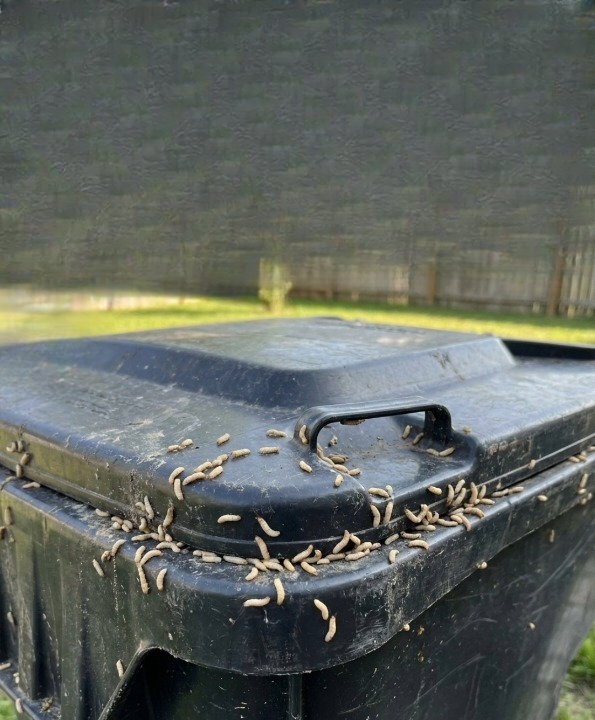
Opening a trash bin and noticing unwanted pests inside can be an unpleasant experience. Many homeowners have encountered situations where small larvae appear in garbage containers, especially during warmer months. While it can feel alarming at first, the situation is actually quite common and usually easy to resolve with the right approach.
These larvae, often associated with common household flies, tend to appear in places where food waste and moisture combine. Trash bins provide an ideal environment because they often contain organic materials that begin to decompose. Warm temperatures can speed up this process, making garbage containers particularly attractive to flies looking for a place to lay eggs.
The good news is that preventing and managing this issue is entirely possible with a few practical steps. Understanding why these larvae appear in the first place can help you stop the problem before it begins. With consistent cleaning habits and a few simple prevention techniques, your trash bins can remain clean and pest-free.
This guide will explain what causes fly larvae to appear in trash containers, how to remove them safely if they do appear, and what steps you can take to prevent them from returning in the future.
Understanding Why Fly Larvae Appear in Trash Bins
Before addressing the problem, it helps to understand how these pests develop and why garbage bins are attractive environments for them.
Fly larvae are part of the life cycle of certain fly species commonly found in residential areas. Adult flies search for places where organic material is present, particularly food scraps that are beginning to break down. These environments provide the nutrients that developing larvae need.
When a fly finds a suitable location, it may lay eggs on or near the waste material. Under favorable conditions, these eggs can hatch within a short period of time.
Once the eggs hatch, the larvae begin feeding on the surrounding organic matter. Because trash bins often contain food scraps, fruit peels, meat packaging, or other organic waste, they can provide an ideal environment for this process.
Several factors increase the likelihood of this occurring:
Warm Temperatures
Heat speeds up biological processes, including the development of fly eggs. During warm weather, eggs can hatch more quickly, sometimes within a single day.
Moisture
Moist environments help organic waste break down more rapidly. This creates stronger odors that attract flies and provides a suitable habitat for developing larvae.
Food Waste
Items such as leftover food, fruit scraps, and meat packaging can attract flies more easily than dry waste materials.
Uncovered Trash
Trash bins that are left open or not sealed tightly allow flies easy access to the contents inside.
Understanding these factors is the first step in preventing future infestations.
Signs That Your Trash Bin Needs Attention
There are several indicators that your garbage container may need cleaning or maintenance.
Some common signs include:
-
Strong or unusual odors coming from the bin
-
Visible food residue on the inside walls
-
Moisture accumulation at the bottom
-
Increased presence of flies around the container
If any of these signs appear, it is a good idea to clean the bin thoroughly before pests become a problem.
Regular inspection can help catch issues early and prevent them from escalating.
Safe Methods for Cleaning an Infested Trash Bin
If larvae have already appeared in your garbage container, the most effective solution is to clean the bin thoroughly and eliminate the conditions that allowed them to develop.
Several household cleaning methods can help restore the container to a sanitary condition.
Using Hot Water to Clean the Bin
One of the simplest methods involves hot water.
High temperatures can help break down organic residue and remove pests from the container.
To clean your bin using this method:
-
Empty the trash container completely.
-
Carefully pour hot water into the bin.
-
Allow the water to sit briefly to loosen debris.
-
Dispose of the water safely.
Hot water helps remove waste residue and reduces odors that attract flies.
Cleaning With Vinegar and Water
Vinegar is widely used as a household cleaning solution because it helps break down odors and residue.
To prepare a vinegar cleaning solution:
-
Mix equal parts white vinegar and warm water.
-
Pour the solution into the trash bin or apply it with a spray bottle.
-
Use a brush or sponge to scrub the interior surfaces.
-
Rinse the bin thoroughly with clean water.
This method helps remove odor-causing bacteria and leaves the container smelling fresh.
Scrubbing With Dish Soap
Dish soap is designed to remove grease and food residue, making it an effective cleaning product for garbage bins.
To clean with dish soap:
-
Fill the bin with warm water.
-
Add a few drops of dish soap.
-
Use a long-handled brush to scrub the sides and bottom.
-
Rinse thoroughly and allow the bin to dry.
This process removes oils and food particles that may attract insects.
Using Natural Drying Agents
After cleaning the container, some homeowners prefer to place a small amount of a drying agent at the bottom of the bin.
Materials such as salt or garden lime can help absorb moisture and discourage pests from developing in damp areas.
Sprinkling a thin layer at the base of the container can help keep the environment dry between trash pickups.
Allow the Bin to Dry Completely
Moisture inside a garbage container can encourage odors and attract insects.
After cleaning, it is helpful to allow the bin to dry fully before inserting a new trash bag.
Placing the bin in sunlight can speed up the drying process and help reduce lingering odors.
Preventing Fly Larvae From Returning
Cleaning the bin solves the immediate problem, but prevention is the most effective long-term solution.
Several habits can significantly reduce the chances of insects returning to your trash container.
Secure Trash Bags Properly
One of the simplest prevention methods is ensuring that trash bags are sealed tightly.
Loose bags allow food odors to escape and provide flies easy access to waste materials.
Tie bags securely before placing them in the container.
For strong-smelling waste such as seafood or meat packaging, double-bagging can provide extra protection.
Manage Food Waste Carefully
Certain types of waste are more attractive to flies than others.
Food scraps, especially protein-rich items like meat or fish, can produce strong odors as they break down.
If possible, place these items in a sealed bag before discarding them.
Some households even store food waste temporarily in a sealed container in the refrigerator or freezer until trash collection day. This method reduces odors and prevents insects from detecting the waste.
Clean the Trash Bin Regularly
Routine cleaning is one of the best prevention strategies.
Rinsing the bin once a week with water and mild cleaning solution can remove food residue and reduce odor buildup.
Even a quick rinse can make a significant difference.
Use Trash Bin Liners
Trash bin liners help prevent leaks and spills from reaching the bottom of the container.
When garbage bags break or leak, food residue can accumulate inside the bin, creating an attractive environment for insects.
Liners make it easier to keep the bin clean and reduce the amount of residue left behind.
Keep the Lid Closed
Trash containers should always remain closed when not in use.
An open lid provides easy access for flies searching for food sources.
Ensuring that the lid closes tightly helps block insects from entering the container.
Natural Methods to Discourage Flies
Certain natural scents are known to discourage flies from approaching specific areas.
While these methods are not guaranteed solutions, they can help reduce insect activity near garbage containers.
Citrus Peels
Placing citrus peels inside the bin may help mask food odors.
Herbs and Leaves
Some homeowners place bay leaves or similar herbs in garbage containers because insects tend to avoid strong natural aromas.
Essential Oils
Cotton balls lightly scented with oils such as lemon or peppermint may help deter insects when placed near the rim of the container.
These methods can complement regular cleaning and proper waste management.
Tips for Managing Trash During Hot Weather
Warm temperatures can increase insect activity, making prevention even more important.
During hot months, consider the following steps:
-
Rinse trash bins more frequently
-
Dispose of food waste promptly
-
Keep outdoor bins in shaded areas
-
Ensure lids close securely
These habits reduce the chances of odors attracting flies.
Outdoor Trash Storage Tips
For homes with outdoor garbage bins, placement can also influence insect activity.
Keeping bins away from direct sunlight may slow the decomposition of food waste and reduce odors.
Additionally, placing bins on a flat surface prevents tipping and helps keep lids sealed properly.
Regularly inspecting outdoor bins for cracks or damaged lids can also help maintain proper sanitation.
The Importance of Consistent Waste Management
Trash management is an essential part of maintaining a clean home environment.
By removing waste regularly and keeping containers clean, households can reduce the chances of insect problems and unpleasant odors.
Consistent habits such as sealing trash bags, rinsing bins, and storing waste properly can prevent many common issues associated with garbage containers.
When to Consider Professional Cleaning
In rare cases where trash containers become heavily soiled or difficult to clean thoroughly, professional bin cleaning services may be helpful.
These services use specialized equipment to sanitize garbage containers with high-temperature water and cleaning solutions.
While not always necessary, professional cleaning can be useful for large outdoor bins that are difficult to clean manually.
Final Thoughts
Finding pests in a trash bin can be frustrating, but it is a common household issue that can usually be solved with simple cleaning and prevention methods.
Understanding why these pests appear helps homeowners take proactive steps to avoid future problems.
By keeping trash bags sealed, cleaning bins regularly, managing food waste carefully, and ensuring lids remain closed, you can maintain a cleaner and more hygienic waste storage system.
A little routine maintenance goes a long way toward keeping garbage containers fresh and preventing unwanted pests from appearing.
With the right habits in place, your trash bin can remain just what it is meant to be—a simple storage place for waste until collection day, not a place that attracts insects.