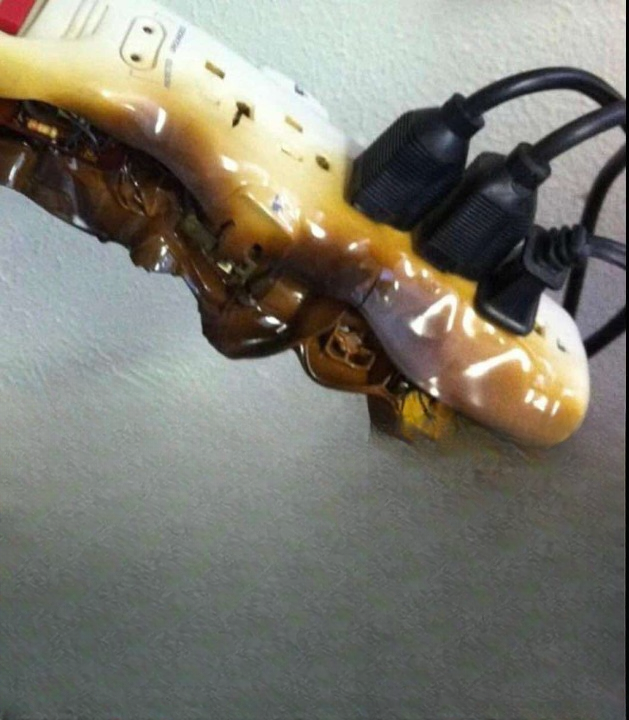
In today’s connected homes, power strips feel almost indispensable. Between smartphones, laptops, routers, televisions, lamps, gaming systems, and office equipment, a single wall outlet rarely seems like enough. Power strips provide a convenient and affordable way to expand outlet access without rewiring your home.
However, convenience does not always equal safety.
Power strips are designed for specific types of electrical loads. When they’re used improperly—especially with high-demand appliances—they can overheat, fail prematurely, or in worst-case scenarios, create serious electrical hazards.
Understanding what should never be plugged into a power strip is essential for protecting your home, your electronics, and your peace of mind.
This guide explains why certain devices require direct wall connections and outlines best practices for safe power management in both residential and office environments.
Why Power Strips Have Limits
Before diving into specific devices, it’s important to understand how power strips work.
A basic power strip:
-
Extends a single wall outlet into multiple outlets
-
Is typically rated for 15 amps (in most North American homes)
-
Is designed for low-to-moderate power devices
Most household wall circuits are also rated for 15 or 20 amps. When a power strip is plugged into a wall outlet, it does not increase the total available power. It simply distributes the same electrical capacity across multiple sockets.
If too many high-wattage devices draw power simultaneously, the strip—or the circuit itself—can overload.
Overloading may lead to:
-
Tripped breakers
-
Melted insulation
-
Damaged electronics
-
Increased fire risk
To avoid these risks, certain devices should always be plugged directly into a wall outlet.
1. Major Appliances
Large household appliances are among the biggest power consumers in a home.
Examples include:
-
Refrigerators
-
Freezers
-
Washing machines
-
Dryers
-
Dishwashers
These appliances require substantial electrical current, particularly when motors or compressors start up.
Why They Should Not Use Power Strips
Major appliances often require:
-
Dedicated circuits
-
Higher amperage capacity
-
Stable, uninterrupted power
Plugging them into a standard power strip can:
-
Overload the strip
-
Cause overheating
-
Trip breakers repeatedly
-
Shorten the appliance’s lifespan
Manufacturers and electricians consistently recommend plugging large appliances directly into a properly rated wall outlet.
2. Space Heaters
Portable space heaters are convenient for supplemental warmth, but they are also high-wattage devices.
Many space heaters draw between 1,200 and 1,500 watts when operating at full capacity.
The Risk
A typical household power strip may not safely handle the sustained current draw of a space heater.
Potential consequences include:
-
Melted internal wiring
-
Overheated cords
-
Electrical fires
Because space heaters generate heat themselves, combining that with overheated wiring creates an especially hazardous situation.
Safer Alternative
Always plug space heaters:
-
Directly into a wall outlet
-
Avoid extension cords
-
Ensure cords are undamaged
If a heater frequently trips a breaker, consult an electrician.
3. High-Wattage Kitchen Appliances
Kitchens are filled with appliances that draw significant power.
These include:
-
Microwaves
-
Toasters
-
Air fryers
-
Coffee makers
-
Electric kettles
-
Blenders with high-powered motors
Why Direct Connection Matters
Heating elements and motors demand high current, especially during startup.
Using a power strip may cause:
-
Voltage drops
-
Overheating
-
Damage to internal electronics
-
Reduced performance
Kitchen appliances are best connected directly to wall outlets—preferably outlets with ground-fault circuit interrupter (GFCI) protection.
4. Air Conditioners
Window and portable air conditioners are among the highest energy-consuming devices in many homes.
When compressors cycle on, they draw a significant surge of electricity.
Potential Problems with Power Strips
Plugging an air conditioner into a power strip may:
-
Trip the breaker
-
Overheat the strip
-
Damage the unit
-
Create fire hazards
Air conditioners are typically designed to operate on dedicated circuits. Always plug them directly into a wall outlet rated for their amperage requirements.
5. Electric Grills and Cookers
Indoor electric grills, hot plates, and slow cookers rely on heating elements that require sustained electrical loads.
Why This Matters
Heat-generating appliances often draw high wattage continuously.
Using a power strip may:
-
Exceed the strip’s capacity
-
Lead to melted components
-
Increase electrical stress
For safety and performance, plug these appliances directly into a wall outlet.
6. Laser Printers and Photocopiers
Office equipment may not seem dangerous, but certain devices—especially laser printers—draw significant power during operation.
When printing begins, laser printers generate a surge of electricity to heat the fuser assembly.
What Can Go Wrong
If plugged into a standard power strip:
-
The strip may overload
-
Other connected devices may shut off
-
Print quality may suffer
-
Circuit breakers may trip
Laser printers and copiers should be plugged directly into wall outlets to ensure stable power supply.
7. Aquariums with Heating Systems
Aquariums may contain:
-
Water heaters
-
Lighting systems
-
Pumps
-
Filtration units
While individual components may not seem high-powered, the combined load can become significant.
Why Wall Outlets Are Safer
Plugging an entire aquarium setup into a basic power strip can:
-
Overload the strip
-
Interrupt filtration
-
Shut off heating
-
Compromise aquatic life
For added safety, consider surge protectors designed specifically for aquarium systems and ensure circuits are not overloaded.
8. Medical Equipment
Medical devices often require uninterrupted, reliable power.
Examples include:
-
Oxygen concentrators
-
CPAP machines
-
Home dialysis equipment
Why Direct Connection Is Critical
Medical equipment must operate consistently and safely.
Using a power strip may:
-
Introduce instability
-
Increase the risk of disconnection
-
Cause accidental shutoffs
For safety, most manufacturers recommend plugging medical devices directly into wall outlets.
If backup power is needed, consult a healthcare provider or electrician for approved solutions.
9. Multiple Power Strips (Daisy-Chaining)
Plugging one power strip into another—known as “daisy-chaining”—is a common but unsafe practice.
Why It’s Dangerous
Each additional strip:
-
Adds resistance
-
Increases failure points
-
Raises the risk of overheating
This setup can quickly exceed the capacity of the original wall outlet.
Instead:
-
Use a single, high-quality power strip
-
Consider installing additional outlets if needed
-
Avoid overloading circuits
Power Strips vs. Surge Protectors
Not all power strips are surge protectors.
A surge protector:
-
Shields devices from voltage spikes
-
Often includes built-in safety mechanisms
-
May have higher safety certifications
However, even surge protectors have load limits. They are not designed to power heavy appliances.
Always check:
-
Maximum amperage rating
-
Maximum wattage capacity
-
Safety certifications
Understanding Electrical Load
To use power strips safely, it helps to understand wattage and amperage.
The formula is:
Watts = Volts × Amps
In most North American homes:
-
Voltage is approximately 120 volts
-
Standard circuits handle 15 or 20 amps
If a power strip is rated for 15 amps:
15 amps × 120 volts = 1,800 watts maximum
Exceeding that limit can cause overheating.
Check the wattage label on appliances before plugging them into a strip.
Warning Signs of an Overloaded Power Strip
If you notice:
-
Warm or hot cords
-
Melted plastic
-
Burning smells
-
Frequent breaker trips
-
Flickering devices
Unplug devices immediately and inspect the setup.
These signs indicate stress on the electrical system.
Safe Power Strip Practices
To reduce risk:
-
Use power strips with built-in circuit breakers
-
Avoid running cords under rugs
-
Do not coil cords tightly
-
Replace damaged strips immediately
-
Keep strips away from moisture
-
Do not exceed manufacturer load limits
Regularly inspect cords for fraying or damage.
When to Consider Installing More Outlets
If you rely heavily on power strips, it may indicate insufficient outlet access.
Hiring a licensed electrician to install additional outlets may:
-
Improve safety
-
Reduce clutter
-
Lower fire risk
-
Provide dedicated circuits for large appliances
Upgrading infrastructure is often safer than expanding with multiple strips.
Common Myths About Power Strips
Myth 1: If It Fits, It’s Safe
Just because a plug fits does not mean it’s appropriate for a strip.
Myth 2: Surge Protectors Can Handle Anything
Even heavy-duty surge protectors have limits.
Myth 3: Breakers Prevent All Fires
Circuit breakers reduce risk—but they are not foolproof.
The Importance of Manufacturer Guidelines
Appliance manufacturers often specify:
-
Whether extension cords are allowed
-
Required circuit ratings
-
Dedicated circuit needs
Always consult user manuals for guidance.
Ignoring recommendations can void warranties and increase risk.
Office Safety Considerations
In office environments, overloading can occur quickly.
Common risks include:
-
Multiple computers on one strip
-
Space heaters under desks
-
Coffee makers in shared spaces
Employers should:
-
Provide adequate outlets
-
Follow workplace electrical codes
-
Avoid makeshift power solutions
Proper electrical planning improves both safety and productivity.
Special Considerations for Older Homes
Older homes may have:
-
Outdated wiring
-
Limited circuit capacity
-
Fewer grounded outlets
In these cases, overloading a power strip can strain already aging infrastructure.
Consulting a licensed electrician may be especially important in older properties.
Creating a Safer Electrical Setup
A safer approach includes:
-
Identify high-wattage devices
-
Plug them directly into wall outlets
-
Use power strips only for low-power electronics
-
Avoid daisy-chaining
-
Monitor for warning signs
-
Upgrade electrical systems if necessary
Proactive planning reduces the likelihood of electrical problems.
Quick Reference: What Should Never Be Plugged Into a Power Strip
-
Refrigerators and freezers
-
Washing machines and dryers
-
Space heaters
-
Air conditioners
-
Microwaves
-
Electric grills
-
Laser printers
-
Medical equipment
-
Another power strip
When in doubt, check wattage ratings and manufacturer instructions.
Final Thoughts
Power strips are useful tools—but they are not a universal solution for all electrical needs.
They are best suited for:
-
Chargers
-
Lamps
-
Televisions
-
Routers
-
Desktop computers
-
Small electronics
High-wattage appliances require more than convenience—they require proper infrastructure.
By understanding the limitations of power strips and making informed choices about what you plug into them, you can significantly reduce the risk of electrical hazards in your home or workplace.
Electrical safety is not about fear—it’s about awareness.
A few thoughtful adjustments today can prevent costly repairs and serious dangers tomorrow.