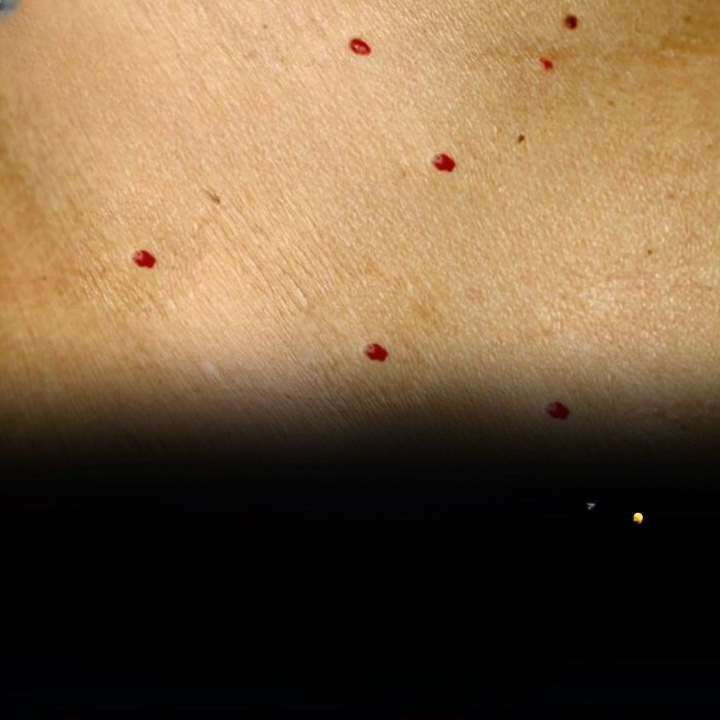
Red spots on the skin are something most people experience at some point. Sometimes they appear suddenly and disappear just as quickly. Other times, they linger, change, or return in patterns that are harder to ignore. While many of these spots are harmless, some can signal underlying issues that deserve closer attention. Understanding the difference is an important step toward taking better care of your health.
When Small Changes Deserve a Second Look
It’s easy to overlook minor skin changes, especially if they don’t cause pain. A small red dot or patch might seem insignificant at first. However, the body often communicates gradually. What begins as a mild irritation or occasional reaction can develop into something more persistent over time.
For example, hives—also known as urticaria—often start as a few itchy bumps. They may fade within hours or spread across larger areas of the body. These reactions are typically linked to allergens, stress, or environmental triggers. When they occur repeatedly, they can point to sensitivities that may require attention or lifestyle adjustments.
The key is not to panic, but to notice patterns. Frequency, duration, and associated symptoms all matter.
Common Causes of Red Spots on the Skin
There are many possible reasons for red dots or patches, ranging from completely harmless to conditions that may require medical care. Here are some of the most common explanations:
1. Cherry Angiomas
These are small, bright red or purple spots caused by clusters of tiny blood vessels. They are very common, especially as people age, and are generally harmless.
2. Allergic Reactions
Skin can react to foods, medications, plants, or environmental factors. These reactions often appear as red, itchy patches or bumps and may come and go depending on exposure.
3. Contact Dermatitis
This occurs when the skin reacts to something it has touched—such as soaps, detergents, perfumes, or certain fabrics. It may cause redness, itching, and irritation in localized areas.
4. Heat Rash
Also known as prickly heat, this develops when sweat becomes trapped in blocked glands. It often appears in hot or humid conditions and typically resolves once the skin cools down.
5. Insect Bites
Mosquitoes, fleas, and other insects can leave behind small, red, itchy marks. These are usually temporary but can become inflamed if scratched excessively.
6. Eczema (Atopic Dermatitis)
A chronic condition that causes dry, inflamed, and itchy skin. It often appears in cycles and may be triggered by stress, weather, or irritants.
7. Psoriasis
An autoimmune condition that leads to thick, scaly patches of skin. These areas may appear red or silvery and tend to persist without treatment.
8. Petechiae and Purpura
These are small red or purple spots caused by minor bleeding under the skin. They may indicate issues with blood vessels or clotting and should be evaluated if they appear suddenly or spread.
9. Medication Reactions
Certain medications can cause skin reactions as a side effect. These may appear as rashes, red spots, or more widespread irritation.
10. Infections
Both viral and bacterial infections can cause red spots or rashes. These are often accompanied by other symptoms such as fever, fatigue, or swelling.
11. Environmental Factors
Exposure to things like polluted water, plants, or harsh weather conditions can also trigger temporary skin reactions.
The Importance of Paying Attention
One of the most helpful things you can do is observe your skin carefully over time. Instead of guessing, try to identify patterns. Ask yourself a few simple questions:
- When did the spots first appear?
- Do they come and go, or are they constant?
- Are they itchy, painful, or completely symptom-free?
- Have you recently changed skincare products, diet, or medications?
- Do they appear after certain activities, like being outdoors or exercising?
Keeping a simple record of these details can provide valuable insight. When you speak with a healthcare professional, this information can make it much easier to identify the cause and determine the right approach.
When to Seek Medical Advice
While many red spots are harmless, some situations call for professional evaluation. You should consider seeking medical advice if:
- The spots spread rapidly or worsen over time
- They are accompanied by fever, fatigue, or other unusual symptoms
- They do not improve after several days or weeks
- They are painful, swollen, or bleeding
- You notice bruising-like spots without any clear cause
Early attention can help prevent minor issues from becoming more complicated.
A Balanced Approach to Skin Health
Most skin conditions are manageable once you understand what you’re dealing with. In many cases, simple steps—like avoiding triggers, maintaining proper hygiene, and using gentle skincare products—can make a noticeable difference. For more persistent conditions, treatments may include topical creams, medications, or lifestyle changes guided by a professional.
It’s also important to remember that skin reflects internal health. Factors such as stress, diet, sleep, and hydration can all influence how your skin looks and feels. Taking a balanced approach to overall wellness often supports healthier skin as well.
Final Thoughts
Red spots on the skin are common, and in many cases, they are nothing to worry about. But they should not be ignored when they become persistent, unusual, or difficult to explain. Your body often signals changes in subtle ways, and your skin is one of the most visible indicators.
By staying observant, asking questions, and seeking guidance when needed, you can respond with confidence rather than uncertainty. Whether the cause turns out to be minor or something that requires ongoing care, understanding what your body is telling you is always a step in the right direction.