Introduction: When Food Requires Knowledge, Not Fear
Food is one of the most universal parts of human life. It fuels our bodies, connects cultures, and brings people together. For most individuals, eating is associated with comfort, tradition, and enjoyment. However, not all foods are as simple as they appear.
Across the globe, there are certain foods that require careful preparation or specific conditions to be safe for consumption. While headlines sometimes portray them as “dangerous,” the reality is more nuanced. In many cases, these foods have been consumed safely for generations thanks to traditional knowledge and proper handling techniques.
Understanding these foods is not about fear—it’s about awareness. When prepared correctly, many of them are not only safe but also highly nutritious and culturally significant.
In this article, we’ll explore ten foods that can pose risks under certain conditions, explain why those risks exist, and highlight how millions of people safely include them in their diets every day.
Cassava: A Staple Food That Requires Proper Preparation
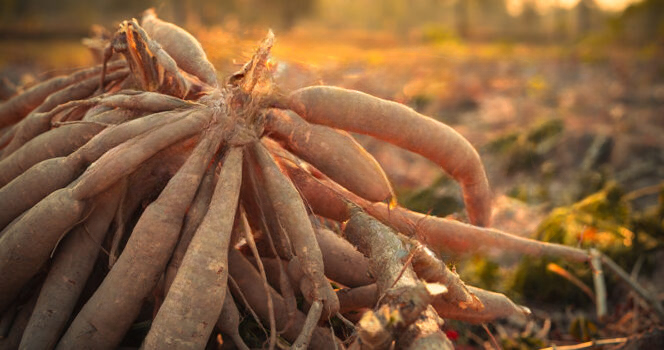
Cassava is a root vegetable that plays a critical role in global nutrition, especially in parts of Africa, South America, and Asia. It is a major source of carbohydrates for hundreds of millions of people.
However, cassava naturally contains compounds known as cyanogenic glycosides. When the plant is eaten raw or improperly processed, these compounds can release cyanide, which can be harmful in significant amounts.
Organizations like the World Health Organization have noted that improper preparation of cassava has been linked to cases of poisoning in some regions. Despite this, cassava remains essential because of its resilience. It grows well in poor soil, withstands drought, and provides reliable calories where other crops may fail.
Traditional preparation methods—such as soaking, fermenting, drying, and thorough cooking—effectively reduce these compounds to safe levels. Communities that rely on cassava have developed and passed down these techniques for generations.
Rather than being inherently dangerous, cassava is a powerful example of how knowledge and preparation transform a raw ingredient into a safe and vital food source.
Fugu: A Carefully Prepared Culinary Specialty
In Japan, a unique dish known as fugu is considered both a delicacy and a culinary challenge. It is made from pufferfish, which contains a potent toxin called tetrodotoxin.
This toxin is primarily found in certain organs of the fish, including the liver and ovaries. If consumed in significant quantities, it can interfere with the nervous system.
Because of this, the preparation of fugu is strictly regulated. Only licensed chefs—trained over several years—are allowed to handle and prepare the fish. Their expertise ensures that the toxic parts are carefully removed, leaving only safe portions for consumption.
According to Japan’s Ministry of Health, Labour and Welfare, incidents are relatively rare and typically involve untrained individuals attempting to prepare the fish themselves.
For those who choose to try it, fugu is less about danger and more about tradition, skill, and culinary precision.
Starfruit: Safe for Most, Risky for Some
Starfruit is widely enjoyed for its refreshing taste and distinctive star-shaped slices. It is rich in vitamin C, antioxidants, and other beneficial nutrients.
However, for individuals with kidney disease, starfruit can pose a unique risk. The fruit contains compounds that are normally filtered out by healthy kidneys. When kidney function is impaired, these substances can accumulate in the body and affect the nervous system.
Symptoms in sensitive individuals may include confusion, weakness, or other neurological effects.
For the vast majority of people with normal kidney function, starfruit is perfectly safe and even beneficial. This example highlights how individual health conditions can influence how the body processes certain foods.
Fruit Seeds and Pits: Natural Compounds in Small Quantities
Many fruits contain seeds or pits that include naturally occurring compounds. For example, apple seeds and cherry pits contain amygdalin, which can release cyanide when crushed and metabolized in large quantities.
It’s important to emphasize that accidental consumption of a few seeds or swallowing a whole pit is not typically harmful. The concern arises only when seeds are crushed and consumed in significant amounts.
The fruit itself remains completely safe and nutritious. The key takeaway is simple: avoid chewing or processing large quantities of seeds or pits.
Potatoes: When Storage Conditions Matter
Potatoes are a staple food around the world, valued for their versatility and nutritional content. However, when potatoes are exposed to light for extended periods, they can develop a green tint.
This greening is associated with the production of solanine, a natural compound that can be harmful in high amounts.
Consuming potatoes with high levels of solanine may lead to digestive discomfort or other symptoms. Fortunately, this is easy to avoid. Peeling green areas, discarding heavily affected potatoes, and storing them in a cool, dark place greatly reduces any risk.
Proper storage and handling make potatoes one of the safest and most widely consumed foods globally.
Cashews: Not Truly “Raw” When Sold
Cashews are a popular snack enjoyed around the world, but what many people don’t realize is that truly raw cashews are not sold for direct consumption.
In their natural state, cashews contain urushiol, a substance also found in poison ivy. This compound can cause skin irritation and other reactions.
Before reaching store shelves, cashews undergo a heating process that removes this substance, making them safe to eat. Even products labeled as “raw” have been treated to eliminate potential hazards.
This processing step ensures that consumers can enjoy cashews without concern.
Nutmeg: A Spice Best Used in Moderation
Nutmeg is a common spice used in both sweet and savory dishes. It adds warmth and depth to recipes, especially in baked goods and beverages.
However, in very large quantities, nutmeg contains compounds that can affect the nervous system. Excessive intake may lead to symptoms such as dizziness, nausea, or confusion.
The important point is that culinary use involves extremely small amounts—typically a pinch or less. At these levels, nutmeg is completely safe and enhances flavor without risk.
This serves as a reminder that moderation is key, even with everyday ingredients.
Wild Mushrooms: Knowledge Is Essential
Mushrooms are a diverse group of organisms, with thousands of species found worldwide. While many are edible and nutritious, some varieties contain toxins that can be harmful.
The challenge lies in identification. Certain toxic mushrooms closely resemble safe ones, making it difficult for untrained individuals to distinguish between them.
For this reason, experts strongly recommend consuming only mushrooms purchased from reliable sources or identified by experienced foragers.
When chosen carefully, mushrooms are a valuable addition to a balanced diet.
Rhubarb Leaves: A Case of Selective Edibility
Rhubarb is commonly used in desserts, jams, and sauces. Its stalks are tart, flavorful, and completely safe to eat when cooked.
However, the leaves of the rhubarb plant contain oxalic acid in higher concentrations, which can be harmful if consumed in large amounts.
The solution is simple: only use the stalks and discard the leaves. This practice has been well understood for generations and ensures safe consumption.
Kidney Beans: The Importance of Proper Cooking
Kidney beans are a nutritious source of protein, fiber, and essential nutrients. Like many legumes, they require proper cooking before consumption.
Raw or undercooked kidney beans contain a natural compound that can cause digestive discomfort. Boiling the beans thoroughly for at least 10 minutes effectively neutralizes this compound.
It’s also important to note that slow cooking at low temperatures without prior boiling may not eliminate the substance.
With correct preparation, kidney beans are a safe and healthy part of many diets.
Why These Foods Remain So Widely Consumed
Despite the potential risks associated with improper handling, all of the foods discussed in this article continue to be widely consumed across the globe.
There are several reasons for this:
Cultural Significance
Many of these foods are deeply rooted in tradition and identity. Recipes and preparation methods are passed down through generations.
Nutritional Value
These foods often provide essential nutrients, including carbohydrates, proteins, vitamins, and minerals.
Accessibility
In some regions, certain crops like cassava are among the most reliable sources of food.
Established Safety Practices
Over time, communities have developed effective ways to prepare these foods safely, minimizing risks.
Understanding Risk vs. Reality
It’s easy to label foods as “dangerous,” but this can sometimes oversimplify the situation. In reality, risk often depends on preparation, quantity, and individual health factors.
For example:
-
A properly cooked dish is safe, while the raw ingredient may not be.
-
A small amount of a compound may be harmless, while excessive intake could cause issues.
-
A food may affect one group of people differently than another.
By focusing on education rather than fear, it becomes easier to understand how to enjoy a wide variety of foods safely.
Practical Tips for Safe Consumption
To minimize risks and enjoy food safely, consider the following guidelines:
-
Follow recommended preparation methods
-
Avoid consuming raw versions of foods known to require cooking
-
Store food properly to prevent unwanted changes
-
Be cautious when trying unfamiliar foods
-
Seek reliable sources and expert guidance when needed
These simple steps can make a significant difference.
The Role of Education in Food Safety
Food safety is not just about avoiding risk—it’s about empowering people with knowledge. When individuals understand how food works, they can make informed choices that support both health and enjoyment.
Educational efforts by organizations, governments, and communities play a crucial role in spreading awareness and improving safety practices.
Conclusion: Respecting Food Through Knowledge
Food is a powerful part of human life, and its complexity is part of what makes it so fascinating. While some foods require extra care, they are not inherently harmful when handled correctly.
From cassava fields to carefully prepared delicacies, these ingredients tell stories of resilience, culture, and adaptation.
Rather than avoiding them out of fear, understanding how to prepare and consume them safely allows people to appreciate their value fully.
In the end, the key is not to fear food—but to respect it.