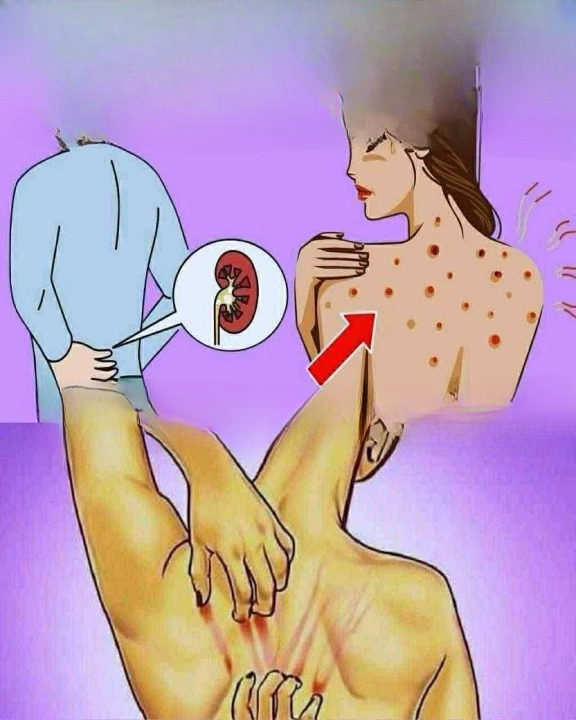
Your kidneys work around the clock, performing several essential tasks that help keep your body functioning properly. Although each kidney is only about the size of a fist, together they filter waste and excess fluid from the blood, help maintain the body’s balance of minerals, support healthy blood pressure, and contribute to the production of red blood cells.
Because the kidneys can continue working even when their function begins to decline, early changes often go unnoticed. In many cases, symptoms develop gradually or resemble those of other common health conditions. That’s why routine medical checkups and paying attention to persistent changes in your health are important.
It’s also worth remembering that experiencing one or more of the symptoms below does not necessarily mean you have kidney disease. Many of these signs can have a variety of causes. However, if symptoms persist, worsen, or occur together, it’s a good idea to discuss them with a healthcare professional.
1. Changes in Urination
One of the earliest signs that kidney function may be changing is a noticeable difference in urination.
Some people may find themselves urinating more frequently, particularly during the night, while others notice they are producing less urine than usual. Changes in the color, appearance, or amount of urine may also be worth mentioning during a medical appointment.
Occasional changes are common and may be related to hydration, diet, medications, or temporary illnesses. Persistent changes, however, deserve medical attention.
2. Swelling in the Feet, Ankles, Hands, or Face
Healthy kidneys help regulate the body’s fluid balance.
If they are not functioning as efficiently as they should, excess fluid can sometimes build up in body tissues, leading to swelling, also known as edema.
This swelling is often first noticed in the feet or ankles but may also appear in the hands, legs, or around the eyes.
Swelling can have many possible causes, including heart, liver, or circulation problems, so a proper medical evaluation is important.
3. Ongoing Fatigue or Low Energy
Feeling tired after a busy day is completely normal.
However, persistent fatigue that doesn’t improve with adequate rest may indicate an underlying health issue.
When kidney function declines, waste products can accumulate in the bloodstream, which may contribute to feelings of low energy or reduced stamina. Kidney conditions may also contribute to anemia, a condition in which the body has fewer healthy red blood cells to carry oxygen.
Because fatigue has many possible causes, it should be evaluated alongside other symptoms rather than viewed on its own.
4. Difficulty Concentrating
Some individuals experiencing reduced kidney function report trouble focusing or thinking clearly.
Changes in concentration can result from numerous factors, including stress, poor sleep, nutritional deficiencies, medications, or other medical conditions.
If mental fog or difficulty concentrating becomes persistent, discussing it with a healthcare provider may help identify the underlying cause.
5. Foamy or Bubbly Urine
Occasionally seeing bubbles in the toilet after urinating is usually not a cause for concern.
However, urine that consistently appears unusually foamy may sometimes indicate that protein is being lost into the urine.
Protein in the urine can occur for several reasons, including kidney-related conditions, and may require laboratory testing to evaluate further.
6. Dry or Itchy Skin
Healthy kidneys help maintain the balance of minerals and nutrients throughout the body.
Persistent dry or itchy skin can sometimes occur when that balance is disrupted, although skin conditions, allergies, weather, and dehydration are much more common causes.
If skin symptoms continue despite routine skincare or occur alongside other changes in health, it may be worth mentioning them during a medical visit.
7. Muscle Cramps
Muscle cramps are common and often result from dehydration, physical activity, or mineral imbalances.
Because the kidneys help regulate electrolytes such as potassium, calcium, and sodium, changes in kidney function may contribute to cramping in some individuals.
Frequent or severe muscle cramps should be evaluated, particularly if accompanied by additional symptoms.
8. Reduced Appetite or Mild Nausea
Many illnesses can affect appetite.
Some people with reduced kidney function experience a decreased desire to eat, mild nausea, or changes in how food tastes.
These symptoms are not specific to kidney disease and can occur with digestive disorders, infections, medications, and many other conditions.
If they persist or lead to unintended weight loss, a medical evaluation is recommended.
9. Trouble Sleeping
Quality sleep plays an important role in overall health.
Some people with kidney conditions experience difficulty sleeping, restless nights, or disrupted sleep patterns.
Sleep problems are extremely common and may be related to stress, lifestyle habits, sleep disorders, or other medical conditions, making proper assessment important.
10. Persistent High Blood Pressure
High blood pressure and kidney health are closely connected.
Long-term high blood pressure can place extra strain on the kidneys, while reduced kidney function may also contribute to elevated blood pressure.
Managing blood pressure through regular medical care, healthy eating, physical activity, and prescribed medications when appropriate can help support both heart and kidney health.
Who May Be at Higher Risk?
Although kidney problems can affect anyone, certain factors may increase the likelihood of developing kidney disease.
These include:
- Diabetes.
- High blood pressure.
- A family history of kidney disease.
- Smoking or tobacco use.
- Obesity.
- Older age.
- Long-term use of certain medications, including some pain relievers.
- Cardiovascular disease.
Having one or more risk factors does not mean kidney disease will develop, but regular medical monitoring can be beneficial.
Supporting Healthy Kidney Function
Many everyday habits can help support kidney health as part of an overall healthy lifestyle.
These include:
- Drinking enough fluids based on your individual needs.
- Eating a balanced diet rich in fruits, vegetables, whole grains, and lean proteins.
- Limiting excessive sodium and highly processed foods.
- Staying physically active.
- Maintaining a healthy weight.
- Avoiding smoking.
- Taking medications only as directed.
- Keeping diabetes and blood pressure under good control if you have these conditions.
These habits support overall health while also helping reduce the risk of many chronic diseases.
When to Seek Medical Advice
If you notice persistent changes in urination, ongoing swelling, unexplained fatigue, or several of the symptoms discussed above, scheduling an appointment with a healthcare professional is a sensible next step.
Healthcare providers can evaluate your symptoms, review your medical history, and recommend appropriate tests if needed. Simple blood and urine tests often provide valuable information about kidney function.
Early detection allows many kidney conditions to be monitored or treated before significant complications develop.
Final Thoughts
Your kidneys perform essential work every day, often without drawing attention to themselves. Because early kidney disease may cause few or only subtle symptoms, paying attention to ongoing changes in your health can be valuable.
Rather than relying on symptoms alone, regular medical checkups, especially for people with diabetes, high blood pressure, or other risk factors, remain one of the best ways to monitor kidney health.
If something doesn’t feel right or symptoms persist, seeking professional medical advice can provide clarity and, when necessary, allow for earlier treatment. Taking proactive steps today can help support kidney function and overall well-being for years to come.
Disclaimer: This article is for informational purposes only and should not be considered medical advice or a substitute for professional diagnosis or treatment. If you have concerns about your kidney health or are experiencing persistent symptoms, consult a qualified healthcare professional.