Snake plants have become one of the most popular indoor plants around the world. Known for their tall, upright leaves and low-maintenance nature, they are often recommended as one of the best plants for beginners. Even people who don’t usually consider themselves skilled with houseplants often succeed with a snake plant in their home.
Because these plants are so easy to grow, they frequently appear in living rooms, bedrooms, offices, and even bathrooms. Their long, sword-shaped leaves create a modern look that fits almost any interior design style.
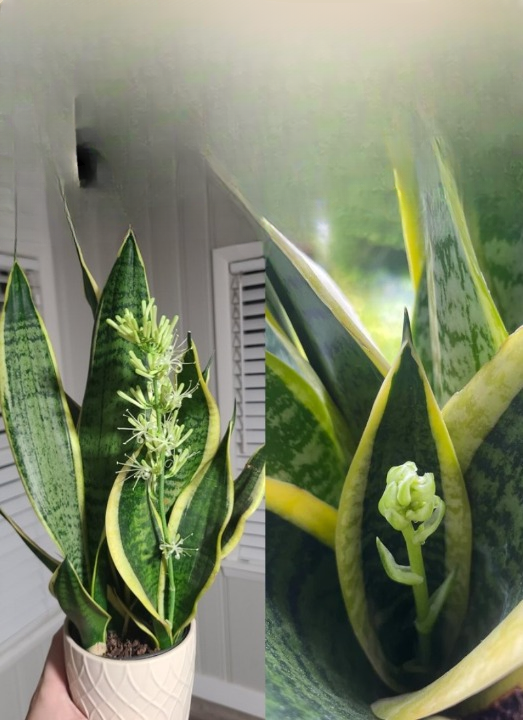
However, many plant owners are surprised to learn that snake plants are capable of producing flowers. While this doesn’t happen often, mature plants can sometimes bloom under the right conditions. When they do, the flowers are delicate, fragrant, and quite different from the plant’s bold leaves.
If you already own a snake plant and would love to see it bloom someday, there are several care tips that may help encourage the process. While flowering cannot be guaranteed, creating the right environment gives your plant the best chance to reach this stage naturally.
This guide will explain how snake plants grow, why they rarely flower indoors, and what you can do to support healthy growth that may eventually lead to a bloom.
Understanding the Snake Plant
Before discussing how to encourage flowering, it’s helpful to understand a little about the plant itself.
Snake plants belong to the plant species Dracaena trifasciata, though they were previously classified under the genus Sansevieria. They are native to regions of West Africa and have adapted to survive in environments where water may be limited and sunlight can be intense.
Because of these adaptations, snake plants are extremely resilient. They tolerate irregular watering, low humidity, and a variety of lighting conditions. This resilience is one reason they have become such a popular houseplant.
Their upright leaves grow from underground rhizomes, which slowly expand and produce new shoots over time. As the plant matures, it may form clusters of tall leaves that fill a pot or container.
Most people grow snake plants purely for their attractive foliage. The leaves are often patterned with shades of green, yellow, or silver, depending on the variety.
But hidden within the plant’s natural life cycle is the ability to produce flowers.
Do Snake Plants Really Bloom?
Yes, snake plants can bloom, though it happens much less frequently indoors than in their natural habitat.
When a snake plant flowers, it produces a tall stalk that grows from the center or base of the plant. Along this stalk, clusters of small blossoms appear.
The flowers are usually:
-
Creamy white or pale green
-
Tubular or narrow in shape
-
Slightly curved outward
-
Arranged along the flowering stem
One of the most interesting aspects of snake plant flowers is their fragrance. Many people describe the scent as sweet or similar to jasmine.
Another unique feature is the nectar the flowers produce. Tiny droplets sometimes appear along the flower stems, giving the plant a slightly glossy look.
Because flowering is relatively rare in indoor environments, many snake plant owners never realize their plant has this ability.
Why Snake Plants Don’t Bloom Often Indoors
Flowering requires energy, maturity, and the right environmental signals. In nature, plants bloom when certain conditions tell them it is time to reproduce.
Indoors, these signals are not always present.
Several factors influence whether a snake plant may bloom:
Plant maturity
Young snake plants usually focus on producing leaves and establishing their root systems. Flowering typically occurs only after the plant has reached a mature stage.
This can take several years depending on growing conditions.
Light exposure
Plants use light as a signal for growth cycles. While snake plants tolerate low light, flowering is more likely when they receive bright conditions.
Environmental stress
Interestingly, mild stress can sometimes trigger blooming in certain plants. When growth slows or conditions change slightly, the plant may shift energy toward reproduction.
Seasonal timing
Snake plants tend to bloom in late spring or early summer when conditions mimic the warmer seasons of their natural habitat.
Even when all these factors align, blooming remains somewhat unpredictable.
Creating the Right Lighting Conditions
Lighting is one of the most important factors when trying to encourage a snake plant to bloom.
Although these plants survive in low light, they grow best when they receive bright, indirect sunlight. Placing the plant near a window where it can receive plenty of natural light helps support healthy growth.
Some helpful lighting tips include:
-
Position the plant near an east- or south-facing window.
-
Allow several hours of bright light each day.
-
Avoid placing the plant in complete shade for extended periods.
Direct sunlight can be beneficial for short periods, but intense afternoon sun may be too strong for indoor plants. Bright, filtered light usually works best.
The goal is to give the plant enough energy to grow vigorously without exposing it to harsh conditions.
The Role of Pot Size and Root Space
Another factor that may influence flowering is how much space the roots have in the pot.
Snake plants grow from underground rhizomes that slowly expand outward. When a plant has plenty of room, it often focuses on producing new shoots and leaves.
However, when the roots begin filling the pot, growth may slow down. At this stage, some plants redirect their energy toward producing flowers.
Because of this, many experienced plant owners recommend allowing snake plants to remain slightly root-bound.
Being root-bound simply means the plant’s roots have filled most of the available space in the container. This condition is not harmful as long as the plant remains healthy.
Repotting too frequently may reduce the chance of flowering because the plant continues focusing on root growth instead.
Adjusting Watering Habits
Watering practices also play a role in plant health and flowering potential.
Snake plants are well known for their ability to tolerate dry conditions. Overwatering is actually one of the most common problems people encounter with this plant.
When soil remains too wet, roots may struggle to absorb oxygen. This can weaken the plant and slow its development.
A better approach is to allow the soil to dry out between watering sessions.
Some general watering guidelines include:
-
Check the soil before watering.
-
Water only when the top layer feels dry.
-
Use well-draining soil to prevent excess moisture.
During cooler months, snake plants usually require less water because their growth slows.
Providing consistent but moderate watering supports healthy roots and strong foliage.
Seasonal Changes That Encourage Blooming
Plants often respond to seasonal cues such as temperature changes and variations in daylight.
Snake plants naturally bloom during warmer months when conditions resemble those of their native environments.
Late spring and early summer are often considered the most likely periods for flowering.
During this time, plants experience:
-
Longer daylight hours
-
Slightly warmer temperatures
-
Increased growth activity
While indoor conditions remain fairly stable throughout the year, placing plants in bright locations during spring may help mimic these natural cycles.
Choosing a Mature and Healthy Plant
If your goal is to see a snake plant bloom, maturity matters.
Young plants are still developing their structure and root systems. Flowering typically occurs only when a plant has reached a certain level of maturity.
A mature snake plant often shows these signs:
-
Multiple clusters of tall leaves
-
Well-established root growth
-
Consistent, healthy foliage
Older plants that have been growing in the same container for several years may have a slightly higher chance of flowering.
Even then, blooms remain relatively uncommon, which makes them feel special when they appear.
What to Expect If Your Snake Plant Blooms
If your snake plant eventually produces flowers, the process may unfold gradually.
First, you might notice a slender stalk emerging from the center of the plant. This stalk grows upward and eventually forms small buds along its length.
Over time, the buds open into tiny blossoms.
The flowers may remain open for several days or weeks, depending on the plant and environmental conditions.
During this time, you may notice a subtle fragrance, especially during the evening hours.
After the blooming period ends, the flowering stalk will gradually fade.
Although the plant may not bloom again for quite some time, the experience is often exciting for plant enthusiasts.
General Care Tips for Healthy Snake Plants
Even if your plant never blooms, proper care will help it remain strong and attractive for many years.
Here are some simple care tips that support healthy growth:
Provide well-draining soil
Snake plants prefer soil that allows excess water to drain quickly.
Use containers with drainage holes
Proper drainage prevents water from accumulating at the bottom of the pot.
Clean the leaves occasionally
Dust can accumulate on leaves over time. Wiping them gently with a damp cloth keeps them looking vibrant.
Rotate the plant occasionally
Turning the pot slightly every few weeks helps the plant grow evenly toward the light.
Avoid overfertilizing
Too much fertilizer can stress the plant. A light feeding during the growing season is usually enough.
These basic habits help create an environment where snake plants thrive.
Appreciating the Beauty of Snake Plants
Snake plants are valued not only for their durability but also for their striking appearance.
Their tall, sculptural leaves add structure to indoor spaces and complement a wide variety of décor styles. Whether placed on a shelf, floor stand, or windowsill, they often become a focal point in a room.
Even without flowers, these plants bring greenery and life into indoor environments.
For many people, caring for houseplants is both relaxing and rewarding. Watching a plant grow over time creates a sense of connection with nature, especially in indoor settings.
Patience Is Part of the Process
One of the most important things to remember about snake plants is that they grow slowly.
Because of this, flowering may take years—or may not occur at all in some indoor environments. This is completely normal and does not mean the plant is unhealthy.
Instead of focusing only on blooms, many plant lovers enjoy the gradual development of new leaves and shoots.
When flowers do appear, they feel like a special reward for years of care.
Final Thoughts
Snake plants are among the most dependable houseplants available. Their resilience, elegant leaves, and ability to thrive in many environments make them a favorite for both beginners and experienced plant enthusiasts.
While flowering indoors is relatively rare, it is certainly possible under the right conditions. Providing bright light, allowing the plant to mature, and maintaining proper care can support healthy growth and increase the chances of a bloom.
Even if your snake plant never produces flowers, it will continue to bring greenery and beauty to your home for years to come.
With patience and consistent care, you may someday be pleasantly surprised by a tall flower stalk and a cluster of delicate blossoms emerging from your plant.
And when that moment arrives, you’ll know that your snake plant has reached a remarkable stage in its life cycle.