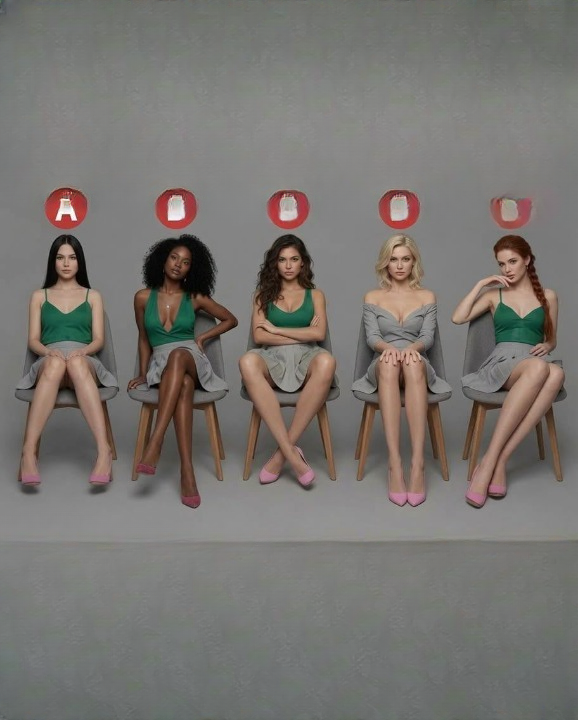
Have you ever heard someone say that the way you sit can reveal your personality? From crossed legs to sitting upright with both feet on the floor, body language has long been the subject of personality quizzes and social media discussions.
While these ideas are entertaining, it’s important to remember that there is no strong scientific evidence showing that a person’s preferred sitting position can accurately reveal their personality or predict their behavior.
That said, posture can sometimes reflect how someone feels in a particular moment, and many people enjoy exploring these popular interpretations simply for fun.
Why People Connect Body Language and Personality
Humans naturally look for patterns in behavior. Because posture is part of nonverbal communication, it’s easy to assume that certain positions reflect confidence, shyness, or relaxation.
Psychologists recognize that body language can sometimes provide clues about a person’s current emotional state. However, personality is much more complex and cannot be determined by a single habit like sitting posture.
Factors such as comfort, health, environment, clothing, culture, and even the type of chair can all influence how someone chooses to sit.
Popular Interpretations of Sitting Positions
Although these descriptions are common online, they should be viewed as general observations rather than proven psychological facts.
Legs Extended or Relaxed (“A” Position)
People who sit with their legs extended or loosely positioned are sometimes described as easygoing, creative, and optimistic.
Some personality articles suggest they prefer finding simple solutions rather than dwelling on problems and often enjoy new ideas and experiences.
There is no scientific evidence that this sitting style predicts these traits, but many people find the description relatable.
Legs Crossed (“B” Position)
Crossing one leg over the other is often associated with thoughtful or private personalities.
Popular interpretations describe these individuals as imaginative, reflective, and selective about what they share with others. They may enjoy observing situations before speaking.
In reality, crossing your legs is just as likely to reflect comfort or habit as personality.
Comfort-Focused Sitting (“C” Position)
Some people naturally shift positions often or sit in ways that maximize comfort.
Online personality guides sometimes describe these individuals as appreciating beauty, comfort, and personal style. They may also be portrayed as curious or easily distracted.
Again, these ideas are not supported by scientific research and should be viewed as entertainment rather than fact.
Sitting Upright with Both Feet on the Floor
People who maintain an upright posture with both feet flat on the ground are often described as organized, disciplined, and dependable.
This position may project attentiveness during meetings or conversations, but it does not necessarily reveal someone’s long-term personality.
Someone may simply be sitting comfortably or maintaining good posture.
Feet Crossed or Tucked Under the Chair
Another common interpretation suggests that people who keep their feet tucked beneath their chair or crossed at the ankles are cautious or reserved.
Some articles claim they value privacy and prefer familiar surroundings before opening up to others.
While these descriptions can sound convincing, they remain generalizations rather than evidence-based conclusions.
Patient and Deliberate Sitters
Certain posture guides describe individuals who maintain neat, composed sitting positions as patient, careful decision-makers who prefer not to rush.
These descriptions often add that such people may appear confident while privately experiencing occasional self-doubt.
As with the other examples, these characteristics cannot be reliably determined from posture alone.
What Science Says
Researchers who study body language generally agree that posture can sometimes communicate temporary emotions, such as:
- Confidence
- Nervousness
- Fatigue
- Relaxation
- Interest
- Discomfort
However, these signals depend heavily on context.
For example, someone may cross their arms because they’re cold rather than defensive, or they may sit with crossed legs simply because it’s the most comfortable position.
Body language becomes meaningful only when considered alongside facial expressions, tone of voice, conversation, and the surrounding situation.
Personality Is Much More Complex
Modern psychology views personality as the result of many interacting influences, including:
- Genetics
- Life experiences
- Environment
- Culture
- Values
- Habits
- Relationships
Because personality develops over time, it cannot be accurately judged from one physical behavior like sitting posture.
Even the same person may sit differently depending on where they are, who they’re with, or how they’re feeling that day.
Why These Personality Quizzes Remain Popular
Despite their lack of scientific backing, body-language quizzes continue to attract attention because they’re fun, easy to understand, and encourage self-reflection.
Many people enjoy comparing descriptions with friends or seeing which one feels most familiar.
As long as they’re treated as entertainment rather than psychological assessment, these quizzes can be an enjoyable conversation starter.
The Bottom Line
The way you sit does not provide a reliable window into your personality. While posture can sometimes reflect your comfort level or current mood, it cannot accurately determine traits such as confidence, creativity, intelligence, or emotional style.
Popular interpretations of sitting positions are interesting to read, but they should not be mistaken for scientific fact. Personality is shaped by a wide range of biological, psychological, and social influences that go far beyond body language.
Rather than judging yourself or others based on posture, it’s more accurate to recognize that people express themselves in many different ways—and no single sitting position can tell the whole story.