Electricity powers nearly every aspect of modern living. From brewing a morning cup of coffee to charging smartphones at night, most households rely on dozens of electrical devices every single day. While these appliances make life easier and more convenient, many homeowners are unaware that some of them continue using electricity even when they appear to be turned off.
This hidden electricity consumption is often called standby power or phantom energy. It occurs when appliances remain plugged into an outlet and continue drawing small amounts of power while idle. Although the energy use from a single device might seem insignificant, the combined effect of multiple appliances operating this way can noticeably increase household energy consumption over time.
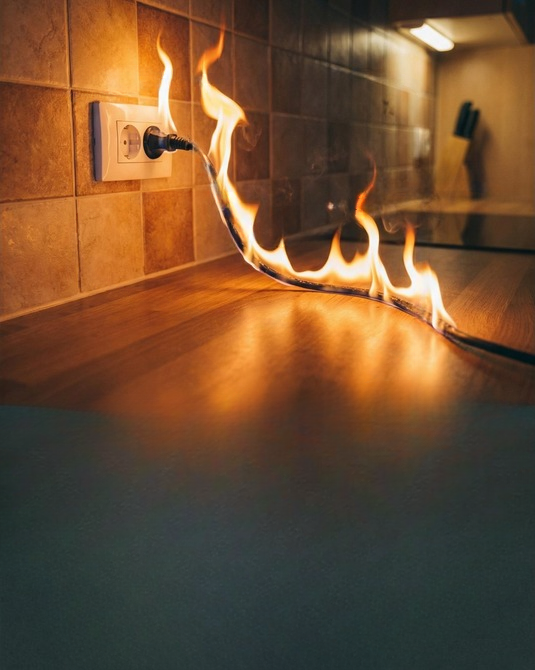
Beyond the cost of wasted electricity, leaving certain appliances plugged in unnecessarily can also raise safety concerns. Electrical devices that generate heat or contain aging components may pose risks if left connected to power sources when not in use.
Fortunately, preventing these issues does not require expensive upgrades or major changes. By simply unplugging or disconnecting a few specific appliances after use, homeowners can reduce energy waste, improve household safety, and potentially lower their electricity bills.
Understanding which appliances draw unnecessary power—and which ones may pose safety concerns—can help families make smarter decisions about how they manage electricity in their homes.
Understanding Phantom Energy and Standby Power
Before exploring which appliances should be unplugged, it helps to understand how phantom energy works.
Many electronic devices are designed to remain partially active even when switched off. This allows them to perform background functions such as:
-
Maintaining internal clocks
-
Responding to remote controls
-
Storing settings and memory
-
Enabling instant startup when turned on
While these features provide convenience, they also require a constant trickle of electricity. This small energy flow may seem insignificant at first, but it adds up over time.
According to energy studies conducted in the United States, standby power from idle devices can account for a noticeable percentage of residential electricity use. In many households, phantom energy may contribute hundreds of dollars per year in unnecessary electricity costs.
Reducing standby power does not require eliminating modern technology. Instead, it involves understanding which devices draw electricity continuously and deciding when it makes sense to disconnect them.
Why Unplugging Appliances Improves Home Safety
Energy savings are only one reason to unplug appliances.
Electrical devices contain components that may gradually wear down over time. When these parts remain connected to a power source, they continue to experience electrical stress—even if the appliance is not actively in use.
In rare situations, overheating components or electrical faults can create safety hazards.
While modern appliances are designed with safety features and strict manufacturing standards, unplugging certain devices when they are not needed can provide an extra layer of precaution.
This practice is particularly helpful for appliances that generate heat or that are commonly left unattended.
By disconnecting these devices after use, homeowners reduce the chance of electrical issues occurring while no one is nearby to notice them.
Appliances That Are Best to Unplug After Use
Some appliances are more important to unplug than others. Devices that generate heat or consume noticeable standby power are usually the most beneficial to disconnect.
Below are several common household items that many experts recommend unplugging when possible.
Space Heaters
Portable space heaters are popular during colder months because they provide quick warmth in specific rooms. However, they are also among the appliances that deserve extra attention when it comes to safety.
Space heaters work by converting electricity into heat, and they can reach very high temperatures during operation. Even when switched off, leaving them plugged in may still allow electrical components to remain active.
Because of their heating elements and power demand, it is generally recommended to unplug space heaters after use—especially before leaving home or going to sleep.
Keeping these devices disconnected when not in use also helps prevent accidental activation or electrical issues caused by damaged cords or internal parts.
Hair Styling Tools
Hair styling appliances such as flat irons, curling wands, and hair straighteners are designed to heat up quickly to high temperatures.
These devices are commonly used in bathrooms or bedrooms, and it can be easy to forget to unplug them after finishing a routine.
Although many modern styling tools include automatic shut-off features, unplugging them after use is still a good habit to develop.
Disconnecting these appliances helps ensure that no electricity continues flowing through the heating element and eliminates the possibility of accidental activation.
Storing them only after they have cooled down and been unplugged adds another layer of safety.
Toasters and Toaster Ovens
Toasters and toaster ovens are small kitchen appliances that many households use daily.
Inside these devices are heating coils that become extremely hot during operation. Over time, crumbs from bread and other foods can accumulate at the bottom of the appliance.
If these crumbs remain inside, they can sometimes burn or smolder when the appliance is used again.
Unplugging the toaster when it is not in use can help reduce unnecessary power draw and prevent accidental activation.
Regular cleaning is also helpful to remove food debris that may collect inside the appliance.
Clothes Dryers
Clothes dryers are large appliances that already consume significant energy during operation.
While most modern dryers automatically shut off when a cycle ends, their electronic components may still draw small amounts of electricity while plugged in.
Disconnecting a dryer after use is not always practical because of how it is installed, but turning off the outlet or breaker when performing maintenance or when the appliance will not be used for extended periods can reduce standby energy consumption.
Regular cleaning of the lint trap and dryer vent is also important for safety and efficiency.
Coffee Makers
Coffee makers are a staple in many households, especially during busy mornings.
Many models include digital displays or programmable timers that remain active even when the brewing process is complete.
These electronic features can draw small amounts of electricity throughout the day.
Unplugging a coffee maker after use—or using a smart power strip—can reduce unnecessary power consumption while also ensuring the appliance is fully turned off.
Phone Chargers and Small Electronics
Phone chargers are among the most common examples of phantom energy use.
Even when no phone is connected, the charger continues drawing a small amount of electricity from the outlet.
This energy use is minimal for a single charger, but when multiplied by many devices in a household, the effect becomes more noticeable.
Unplugging chargers when they are not actively being used can help reduce standby power consumption.
This practice also helps extend the life of the charger by preventing unnecessary heat buildup.
Televisions and Entertainment Systems
Modern entertainment setups often include multiple devices such as televisions, streaming boxes, gaming consoles, and sound systems.
Many of these electronics are designed to remain partially active so they can respond to remote controls or perform background updates.
Because several devices may be connected at once, standby energy consumption can accumulate quickly.
Using a smart power strip or unplugging the system when not in use for long periods can help reduce this ongoing electricity draw.
Gaming Consoles
Gaming consoles are powerful devices that often remain connected to the internet even when turned off.
Some systems download updates, maintain network connections, or keep certain features active in standby mode.
These functions consume electricity continuously.
If a gaming console will not be used for a while, switching it off completely or disconnecting it from the outlet can reduce energy usage.
Smart Home Devices and Electronics
Smart home technology has introduced a wide range of connected devices such as smart speakers, digital assistants, and automated lighting systems.
Many of these devices are designed to remain active at all times so they can respond to voice commands or scheduled routines.
While their individual power consumption is usually small, multiple smart devices operating simultaneously can increase overall standby electricity use.
Homeowners who want to minimize phantom energy may consider unplugging devices that are not essential for daily automation.
How Smart Power Strips Can Help
Unplugging appliances individually can sometimes feel inconvenient, especially when several devices are connected in one area.
Smart power strips offer a practical solution.
These power strips automatically cut electricity to devices that enter standby mode. When the main device—such as a television—is turned off, the strip disconnects power to related devices like speakers or streaming boxes.
Using smart power strips can significantly reduce phantom energy without requiring users to unplug multiple devices manually.
Developing Simple Energy-Saving Habits
Reducing standby power does not require major lifestyle changes.
Instead, it often involves developing small habits that gradually become part of everyday routines.
Some helpful habits include:
-
Unplugging appliances after using them
-
Turning off power strips before leaving home
-
Disconnecting chargers when not needed
-
Cleaning appliances regularly to maintain efficiency
These simple steps can add up to noticeable energy savings over time.
Environmental Benefits of Reducing Energy Waste
Lowering household energy consumption has benefits beyond saving money.
Electricity production often involves natural resources such as coal, natural gas, or renewable energy systems. When households reduce unnecessary electricity use, they also reduce demand on energy infrastructure.
Even small reductions in energy consumption across millions of homes can make a meaningful difference.
By minimizing phantom energy, families contribute to a more efficient and sustainable use of resources.
How Much Energy Can Be Saved?
The exact amount of energy savings varies depending on household size, number of devices, and personal habits.
However, studies have shown that standby power can represent a measurable portion of total electricity use in modern homes.
Disconnecting unused appliances and electronics may reduce annual energy costs while also decreasing environmental impact.
Over time, these small changes can help households manage energy consumption more effectively.
Making Safety a Daily Priority
Electrical safety is an important part of responsible home management.
While modern appliances include numerous safety features, unplugging certain devices when they are not needed adds an extra precaution.
This practice can help prevent potential electrical issues while also reducing unnecessary power usage.
Families can incorporate these habits into daily routines without much effort.
Final Thoughts
Many people assume that turning off an appliance completely stops it from using electricity. In reality, many devices continue drawing power as long as they remain plugged into an outlet.
This standby energy—often called phantom energy—can gradually increase electricity costs and contribute to unnecessary energy consumption.
By unplugging or disconnecting certain appliances after use, homeowners can reduce wasted electricity and improve household safety.
Devices that generate heat, such as space heaters or hair styling tools, are particularly important to unplug when they are no longer needed.
Other electronics, including chargers, entertainment systems, and coffee makers, may also benefit from being disconnected to reduce standby power.
Developing simple habits like unplugging appliances, using smart power strips, and staying mindful of energy use can make a meaningful difference over time.
In the end, small changes can lead to long-term benefits—helping households save energy, reduce expenses, and maintain a safer living environment.