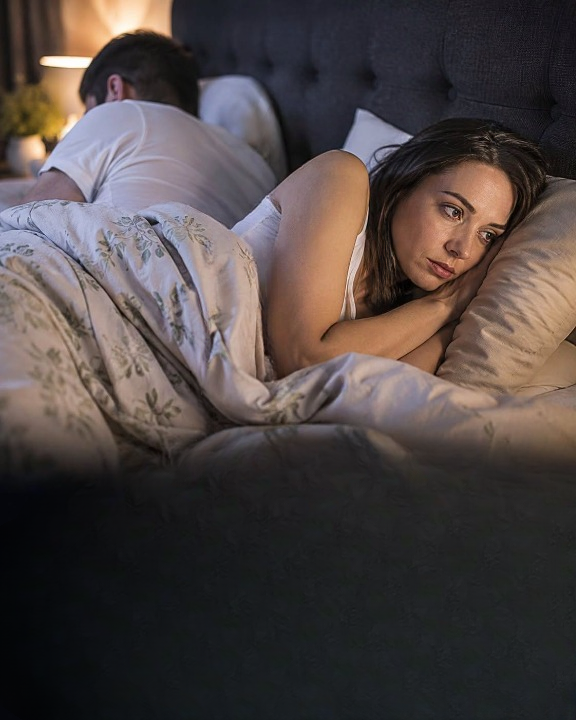
Understanding sleep behavior in relationships can be confusing, especially when a partner turns away during the night. It can sometimes feel personal or emotionally charged, but in most cases, sleep positions are driven by biology, comfort, and unconscious habits—not relationship dynamics.
Sleep is one of the most important functions of the human body. Health experts agree that getting 7 to 9 hours of quality rest each night is essential for physical recovery, brain function, and emotional regulation. During sleep, the body repairs tissue, balances hormones, strengthens immunity, and restores energy. Without adequate sleep, the risks increase significantly for conditions such as stroke, obesity, diabetes, heart disease, and even cognitive decline.
Because sleep is so essential, the body prioritizes comfort above all else. This is where sleeping positions—and behaviors like turning away from a partner—come into play.
Why Sleep Position Matters More Than Emotion
When a man turns his back while sleeping, it is rarely a conscious decision. Instead, it is usually the result of the body seeking the most comfortable, stable position for uninterrupted rest.
One of the most common reasons is temperature regulation. Human bodies naturally release heat during sleep, and when two people share a bed, that warmth increases. Turning away helps reduce heat buildup, allowing the body to maintain a cooler and more stable temperature. Since cooler environments are strongly linked to deeper sleep cycles, this adjustment often happens automatically.
Another major factor is pressure relief and spinal alignment. Many people sleep on their side, and alternating direction helps reduce strain on the shoulders, hips, and lower back. If one position becomes uncomfortable, the body instinctively shifts—even if the person is fully asleep.
In this sense, turning away is not a rejection. It is a micro-adjustment that supports uninterrupted rest.
The Role of Habit and Sleep Conditioning
Sleep positions are also shaped by long-term habits. If someone spent years sleeping alone before entering a relationship, their body is already conditioned to spread out, face a certain direction, or avoid close physical contact during sleep. Even after becoming part of a couple, those ingrained patterns don’t disappear.
The brain continues to follow familiar sleep routines because they are efficient and predictable. This means a person may naturally turn away simply because it is what their body has always done, not because of anything happening emotionally in the relationship.
Emotional Misinterpretation vs. Biological Reality
It is easy to attach meaning to sleep behavior because relationships are deeply emotional. When a partner turns away, it can feel like distance or disconnection. However, sleep scientists emphasize that sleep posture is not a reliable indicator of emotional state.
During sleep, the brain is not processing social communication in the same way it does during waking hours. Instead, it focuses on maintaining sleep cycles and minimizing disturbances. As a result, physical positions during the night are rarely intentional expressions of affection or rejection.
This distinction is important. Many couples who are deeply connected emotionally still sleep back-to-back or facing away from each other. Conversely, couples who sleep facing each other are not automatically more secure or happier in their relationship.
Benefits of Sleeping Together Despite Position Differences
Even if partners sleep in different positions, sharing a bed still offers meaningful benefits. Research shows that co-sleeping can reduce stress levels, lower cortisol, and promote a sense of emotional security. Physical presence alone can be calming, even without constant contact.
Sleeping together can also improve sleep quality for some people by reducing feelings of loneliness or anxiety. In healthy relationships, the body can associate a partner’s presence with safety, which helps regulate sleep patterns over time.
Additionally, shared sleep environments can support better communication and bonding. Small nighttime interactions—such as brief touches before sleep or waking up together—can strengthen emotional connection, even if partners turn away during the night.
When Sleep Position Might Reflect Something Else
While most cases are harmless, sudden or dramatic changes in sleep behavior can sometimes reflect underlying issues. For example, increased stress, emotional distance, or unresolved conflict can affect nighttime comfort. Similarly, health conditions such as back pain, breathing issues, or sleep disorders may also influence how someone positions themselves in bed.
However, these situations are exceptions rather than the rule. In most cases, turning away is simply the body choosing rest over rigidity.
If concerns arise, it is more helpful to look at daytime behavior—communication, affection, and emotional responsiveness—rather than focusing on sleep posture alone.
The Bottom Line
A man turning his back while sleeping is usually not a message, signal, or emotional withdrawal. It is a natural and unconscious response to the body’s need for comfort, temperature balance, and uninterrupted rest.
Sleep is one of the most biologically important processes in human life, and during those hours, the body prioritizes survival and recovery over social expression. While sleeping close to a partner can enhance emotional bonding, the absence of that closeness during the night does not indicate a lack of love or connection.
In reality, healthy relationships are not defined by how two people sleep, but by how they support each other when they are awake.