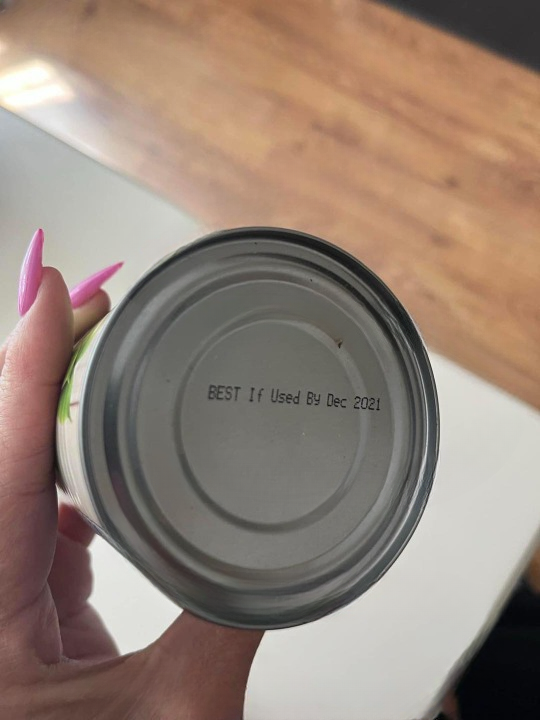
Have you ever stood in your kitchen, staring at the date printed on a carton of milk or a container of yogurt, wondering whether it’s still safe to eat? For many people, that small date on food packaging feels like a strict deadline. Once the date has passed, the instinct is often to throw the product away immediately.
But what if those dates don’t always mean what we think they mean?
The truth is that food labeling can be confusing. Terms like “Best If Used By,” “Sell By,” and “Use By” appear on many packages, but they do not always indicate that food becomes unsafe the moment the printed date arrives. In many cases, these labels are more about food quality and freshness rather than safety.
Understanding how food expiration dates actually work can help households make smarter decisions about what to keep and what to discard. It can also reduce unnecessary food waste, save money, and encourage better food storage habits.
In this comprehensive guide, we’ll explore how expiration dates work, what different labels mean, how long common foods typically last, and how to determine whether food is still safe to eat. By the end, you’ll have a clearer understanding of how to interpret food labels and avoid throwing away perfectly usable food.
Why Expiration Dates Exist in the First Place
Food expiration labels were originally created to help consumers and retailers understand when food products are likely to be at their highest level of quality.
Contrary to popular belief, most expiration dates are not regulated safety deadlines. Instead, they are estimates provided by manufacturers that indicate when the product will likely taste its best or maintain optimal texture and appearance.
Food companies conduct shelf-life tests to determine how long a product maintains its intended flavor, color, and consistency. Based on those tests, they assign dates that help guide both retailers and consumers.
For example, a package of crackers may still be safe to eat months after the printed date, but the texture might not be as crisp. Similarly, dairy products might remain safe to consume for several days beyond the printed date if stored properly.
Because of this, understanding expiration labels requires a little more context than simply checking the date.
The Difference Between Food Safety and Food Quality
One of the most important distinctions to understand when interpreting food labels is the difference between safety and quality.
Food safety refers to whether food can be consumed without causing illness. When food becomes unsafe, harmful bacteria or spoilage organisms may have developed.
Food quality, on the other hand, refers to characteristics like taste, aroma, color, and texture.
Most expiration labels focus primarily on quality, not safety.
For example:
-
A snack may become stale but still be safe to eat.
-
Frozen vegetables may lose some texture over time but remain safe if properly stored.
-
Canned foods may last years beyond their printed date as long as the packaging remains intact.
This distinction is crucial for understanding why many foods are still usable after their labeled dates.
Common Types of Food Date Labels
Many consumers encounter several different types of expiration labels on food products. Each label has a slightly different meaning.
Best If Used By
“Best If Used By” indicates the date when the product will likely offer the best flavor and texture.
After this date, the food may gradually lose quality, but it is not necessarily unsafe.
For example:
-
Crackers may become less crunchy.
-
Sauces might separate slightly.
-
Dairy products may develop a mild change in flavor.
In many cases, foods with this label can still be consumed safely for some time afterward if they have been stored properly.
Use By
The “Use By” label typically refers to the last recommended date for peak quality.
This label is more commonly found on perishable items such as dairy products, prepared meals, and fresh foods.
While the date is meant to guide consumers toward optimal quality, it does not always mean the food becomes unsafe immediately after that day. Proper storage and sensory checks remain important.
Sell By
The “Sell By” label is primarily intended for retailers rather than consumers.
This date helps stores manage inventory by indicating how long a product should remain on the shelf for sale. It ensures customers have enough time to consume the food before quality begins to decline.
For consumers, the “Sell By” date usually means the product can still be stored at home for several additional days, depending on the type of food.
Freeze By
Some food packages include a “Freeze By” date. This label suggests the best time to freeze a product in order to preserve its quality.
Freezing food before this date can help maintain flavor, texture, and nutritional value.
However, freezing food does not necessarily make it unsafe if done later—it simply may not taste as good once thawed.
Why Food Date Labels Often Cause Confusion
The variety of labeling terms can make it difficult for consumers to interpret expiration dates correctly.
One reason for this confusion is that date labeling is not standardized across all food products. Different manufacturers may use different terminology for similar purposes.
Because of this lack of consistency, many people assume that every date indicates a strict safety deadline.
This misunderstanding contributes significantly to food waste.
The Global Issue of Food Waste
Food waste has become a major concern in many parts of the world. Large amounts of food are discarded every year even though much of it is still edible.
Households play a significant role in this problem. Many people throw away food simply because the printed date has passed, even when the food still appears fresh.
Reducing food waste offers several benefits:
-
Saving money on groceries
-
Reducing environmental impact
-
Making better use of resources used to produce food
By learning how to interpret expiration labels more accurately, consumers can help reduce unnecessary waste while still prioritizing food safety.
How Long Common Foods Typically Last
While expiration labels provide general guidance, many foods can last longer than expected when stored correctly. Understanding typical storage timelines can help households make better decisions.
Below are examples of how long certain foods may remain usable under proper storage conditions.
Eggs
Eggs are a common household staple that often remain safe to consume well beyond the printed date.
When stored in the refrigerator, eggs can often last three to five weeks after purchase.
One popular freshness test involves placing an egg in a bowl of water:
-
If the egg sinks and lies flat, it is very fresh.
-
If it sinks but stands upright, it is still usable but should be consumed soon.
-
If it floats, it may have spoiled and should be discarded.
This simple test works because older eggs contain more air inside the shell.
Milk
Milk often lasts longer than many people expect. When refrigerated properly, milk may remain drinkable for several days after the printed date.
However, milk should always be evaluated carefully before consuming.
Signs that milk may have spoiled include:
-
Sour odor
-
Thickened or curdled texture
-
Unusual taste
If any of these signs are present, it is best to discard the product.
Fresh Meat and Poultry
Fresh meat and poultry are more perishable than many other foods. Typically, these items should be cooked or frozen within one to two days after purchase.
Freezing meat can significantly extend its storage life while maintaining safety. Properly wrapped meat stored in a freezer can remain safe for months, although quality may gradually decline.
Dry Pantry Staples
Dry foods such as rice, pasta, flour, and beans often have very long shelf lives.
When stored in airtight containers in a cool, dry environment, these staples may remain usable for years.
However, over time they may experience changes in flavor or texture. For example, pasta may become brittle or rice may develop a slightly stale taste.
Canned Foods
Canned foods are among the longest-lasting food products available.
Because the canning process removes air and seals food in sterile containers, canned goods can remain safe for extended periods as long as the packaging remains intact.
However, cans should always be inspected for damage.
Discard canned food if the container shows:
-
Severe dents
-
Rust
-
Swelling
-
Leaking
These signs may indicate that the seal has been compromised.
Frozen Foods
Freezing is one of the most effective ways to preserve food.
At temperatures of 0°F (-18°C) or lower, frozen foods can remain safe indefinitely. However, quality may slowly decline due to freezer burn or dehydration.
Proper packaging helps minimize these effects.
Using freezer-safe bags or airtight containers can help preserve flavor and texture.
Recognizing Signs of Food Spoilage
Even when a food item is within its labeled date range, it is still important to watch for signs of spoilage.
Some common indicators include:
-
Visible mold growth
-
Unpleasant or sour odors
-
Slimy or sticky textures
-
Unusual discoloration
-
Off-flavors
If a food item shows any of these signs, it should not be consumed.
Trusting your senses can often be more reliable than relying solely on printed dates.
The Importance of Proper Food Storage
Proper storage plays a critical role in maintaining food freshness and safety.
Temperature control is particularly important.
Refrigerators should be kept at 40°F (4°C) or below, while freezers should remain at 0°F (-18°C).
Other helpful storage practices include:
-
Keeping raw meat separate from other foods
-
Using airtight containers to prevent moisture exposure
-
Labeling leftovers with the date they were prepared
-
Organizing food so older items are used first
These simple habits can significantly extend the life of many foods.
How Planning Can Reduce Food Waste
Meal planning is another effective way to reduce food waste.
When people purchase food with a clear plan for how it will be used, they are less likely to forget items in the refrigerator or pantry.
Some helpful strategies include:
-
Planning meals for the week before grocery shopping
-
Checking pantry and refrigerator supplies before buying new items
-
Storing leftovers in visible containers
-
Freezing extra portions for later use
These practices help ensure that food is used before it spoils.
Creative Ways to Use Food Before It Spoils
Sometimes food may still be safe to eat but approaching the end of its optimal quality period.
Instead of discarding it, consider creative ways to incorporate it into meals.
For example:
-
Slightly stale bread can be used for croutons or breadcrumbs.
-
Overripe bananas are ideal for smoothies or baked goods.
-
Soft vegetables can be added to soups or stir-fries.
Using ingredients creatively helps minimize waste while still enjoying nutritious meals.
The Environmental Impact of Food Waste
Reducing food waste is not only beneficial for household budgets—it also supports environmental sustainability.
Food production requires significant resources, including:
-
Water
-
Energy
-
Land
-
Transportation
When food is discarded unnecessarily, these resources are effectively wasted.
Additionally, food waste that ends up in landfills can produce greenhouse gases during decomposition.
By using food more efficiently, individuals can help reduce environmental impact.
Technology and the Future of Food Labeling
As awareness of food waste grows, researchers and food manufacturers are exploring new ways to improve food labeling.
Some emerging innovations include:
-
Smart labels that change color when food begins to spoil
-
Time-temperature indicators that track storage conditions
-
Digital tracking systems for supply chains
These technologies may eventually provide more accurate information about food freshness and safety.
Building Better Food Awareness at Home
Understanding expiration dates is part of a broader effort to develop better food awareness at home.
Families can encourage smarter habits by:
-
Teaching children about food storage
-
Cooking meals together
-
Learning how to recognize freshness indicators
These practices help build lifelong skills that reduce waste and improve food safety.
Final Thoughts
Food expiration dates serve an important purpose, but they are often misunderstood. In many cases, these labels indicate quality rather than safety, and many foods remain usable beyond their printed dates when stored properly.
By learning how to interpret labels, recognize signs of spoilage, and store food correctly, households can make more informed decisions about what to keep and what to discard.
Reducing food waste benefits not only individual budgets but also the environment and global food systems.
The next time you see a date printed on a food package, take a moment to consider the full picture. With a little knowledge and careful observation, you may find that many foods still have plenty of life left in them.