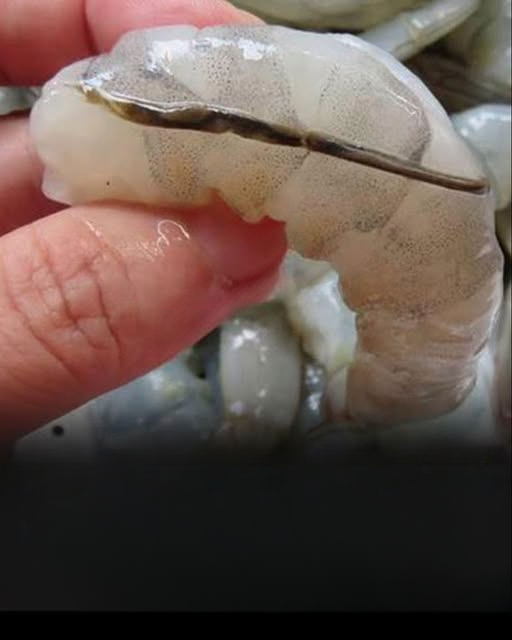
If you’ve ever peeled a shrimp and noticed a thin black line running along its back, you’re not alone in wondering what it is—and whether it’s safe to eat. That line is commonly referred to as the “vein,” but in reality, it isn’t a vein at all. It’s the shrimp’s digestive tract, also called the intestine. While it might look concerning at first glance, the truth is far less alarming than many people assume.
Understanding what it is, what it contains, and whether it poses any risk can help you decide whether deveining shrimp is necessary or simply a matter of personal preference.
The “Vein” Isn’t Dangerous Blood—It’s the Shrimp’s Gut
The black line you see is the shrimp’s intestinal tract, which runs along its back from head to tail. Its job in the living shrimp is to process food, which means it can contain partially digested material, tiny particles of sand, and natural organic matter from the environment where the shrimp lived.
Shrimp are bottom-dwelling creatures, often scavenging along the ocean floor. Because of this, their digestive tracts may occasionally contain sediment or grit. That’s the main reason people notice a difference in texture or taste when the vein is left in.
However, it’s important to emphasize: it is not harmful in itself.
Is It Safe to Eat the Black Vein?
Yes—eating the black vein is generally safe, especially when the shrimp has been properly cooked. Cooking shrimp to the appropriate temperature kills harmful bacteria, parasites, and pathogens that could otherwise cause foodborne illness.
Food safety experts generally agree that there is no medical requirement to remove the vein. In many cuisines around the world, shrimp are cooked and eaten whole without deveining, particularly when they are small.
So if you accidentally eat it—or simply choose not to remove it—you are not putting yourself in danger.
The Real Issue: Texture and Taste
Even though the vein is safe, it is not always pleasant.
The main reasons people prefer to remove it include:
- Grainy texture: If the shrimp has eaten sand or sediment, it may feel slightly gritty when chewed.
- Mild bitterness: The digestive tract can sometimes carry a faint bitter or “muddy” taste.
- Visual appearance: In clear or elegant dishes, the black line can look unappetizing.
These issues don’t make the shrimp unsafe—they simply affect the eating experience. For many people, that’s enough reason to remove it.
Does Size of Shrimp Matter?
Yes, size plays a role in whether deveining is necessary.
- Large shrimp: The vein is more visible and more likely to contain noticeable debris. Deveining is strongly recommended for both taste and presentation.
- Medium shrimp: It depends on the dish. For stir-fries or heavily seasoned meals, leaving it in is often fine.
- Small shrimp: Many cooks skip deveining entirely because the line is barely noticeable and has minimal impact on flavor or texture.
In short, the bigger the shrimp, the more likely you are to notice the difference.
When You Should Remove the Vein
There are certain cooking situations where deveining shrimp is especially recommended:
- Raw or lightly cooked dishes (like ceviche or sushi-style preparations)
- Dishes where appearance matters, such as pasta or plated seafood entrées
- When using large shrimp with a clearly visible dark line
- When you want the cleanest possible flavor and texture
In these cases, removing the vein ensures a smoother eating experience and a more refined presentation.
How to Devein Shrimp Properly
Removing the vein is simple and only takes a few seconds per shrimp once you get the hang of it.
Here’s a common method:
- Hold the shrimp firmly and peel away the shell, leaving the tail on if desired.
- Use a small knife or toothpick to make a shallow cut along the back.
- Locate the dark line running through the center.
- Gently lift it out with the tip of the knife or rinse it away under cold water.
- Pat the shrimp dry before cooking.
Some shrimp even come “deveined” when purchased, especially in frozen or pre-prepared packages.
Why Some People Don’t Bother Removing It
In many kitchens and cultures, deveining is optional rather than mandatory. Professional chefs often skip it in smaller shrimp because:
- It saves time during preparation
- The flavor difference is minimal in heavily seasoned dishes
- High-heat cooking reduces any texture concerns
For example, in garlic butter shrimp, curries, or fried dishes, spices and sauces often mask any subtle differences the vein might cause.
The Bottom Line
Eating the black vein in shrimp is not harmful. It is simply the shrimp’s digestive tract, and while it may contain sand or undigested material, proper cooking makes it safe to consume. The decision to remove it comes down to personal preference rather than health concerns.
If you care about texture, cleanliness, or presentation—especially in larger shrimp or delicate dishes—deveining is worth the extra step. But if you don’t mind a slightly more rustic experience, you can eat shrimp as-is without worry.
In the end, the “vein” is less about danger and more about dining preference.