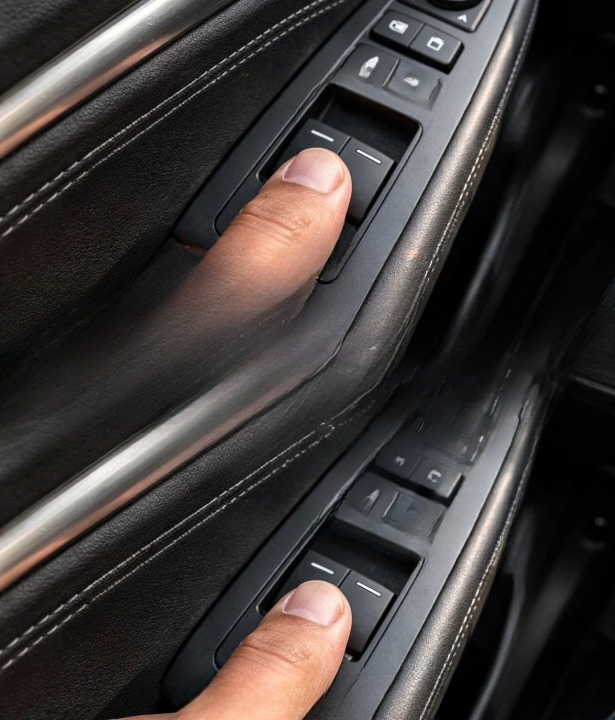
Modern vehicles are designed with many convenience features that make everyday driving easier. However, some of these features are not widely known, even by experienced drivers. One example involves the ability to close car windows without starting the engine again after you have already stepped out of the vehicle.
Many people have experienced the situation where they park their car, switch off the ignition, exit the vehicle, and then notice that one or more windows were left open. This realization often happens at the worst possible moment—perhaps when rain begins to fall, when strong winds pick up, or when you simply want to keep the interior of the car secure.
Normally, the only way to close the windows would be to unlock the car, insert the key or press the start button again, and use the window controls. While this process is not particularly difficult, it can be inconvenient, especially if you are already walking away, carrying items, or in a hurry.
Fortunately, many vehicles include alternative ways to operate the windows even after the ignition has been turned off. These methods vary depending on the manufacturer and model, but they are designed to make the driver’s life a little easier.
In this comprehensive guide, we will explore how window control systems work, why they usually require the ignition to be on, and the different ways drivers may be able to close their windows without restarting the vehicle.
Why Car Windows Usually Stop Working When the Engine Is Off
To understand why this issue occurs, it helps to know how power windows function in modern vehicles.
Most vehicles today are equipped with electric window systems. Instead of manually turning a handle to raise or lower the window, drivers simply press a button. Behind the scenes, a small electric motor inside the door panel moves the window glass up or down.
Because these motors rely on the car’s electrical system, they normally receive power only when the ignition is in the accessory or running position.
This design serves several purposes:
• It prevents the battery from draining unnecessarily
• It reduces the chance of accidental window operation
• It improves safety when the car is parked
However, the downside is that once the ignition is turned off, the window switches usually stop responding.
That’s why many drivers notice the problem only after they have already stepped out of the vehicle.
Common Situations Where This Becomes a Problem
Although it might seem like a small inconvenience, forgetting to close your windows can lead to several practical concerns.
Unexpected Rain
One of the most common scenarios is when weather conditions suddenly change. A car parked with open windows can quickly allow rainwater to enter the interior.
Moisture inside the vehicle may lead to:
• Damp seats and carpets
• Unpleasant odors
• Potential electrical issues
Being able to close the windows quickly helps prevent these problems.
Security Concerns
Open windows can make it easier for someone to reach inside the car. Even if the opening is small, it can sometimes allow access to door locks or personal items left inside.
For this reason, many drivers prefer to ensure that all windows are fully closed before leaving the vehicle.
Strong Wind or Dust
In certain areas, wind can blow dust, leaves, or debris into an open vehicle. Over time, this can make the interior dirty or uncomfortable.
Closing the windows quickly can help maintain a clean cabin environment.
Built-In Features That Allow Window Operation After Ignition
Many car manufacturers recognize that drivers occasionally need to adjust their windows even after the engine is turned off.
Because of this, some vehicles include special features that allow limited window operation for a short time after the ignition is switched off.
These features are sometimes referred to as:
• retained accessory power
• delayed power window operation
• convenience window controls
While the names may differ, the basic idea is the same.
The car continues supplying electricity to certain systems—like the windows or audio system—for a brief period after the engine stops.
The Retained Accessory Power System
One of the most common solutions used in modern cars is called retained accessory power.
With this system, the windows can still be operated for a short time after the ignition is turned off.
Typically, the windows remain functional until one of the following happens:
• A door is opened
• A certain amount of time passes
• The vehicle locks automatically
If the driver remembers quickly enough, they can simply press the window switch and close the windows before leaving.
However, if the doors have already been opened or locked, the feature may no longer work.
Another Method Some Vehicles Support
In certain vehicles, pressing and holding specific window buttons may activate an alternative function that allows the windows to close even without the ignition.
This method varies widely depending on the vehicle manufacturer.
In some cases, holding the window switches in the upward position for several seconds may trigger the windows to move.
However, this is not a universal feature, and it may not work on all vehicles.
Drivers should always check their owner’s manual to understand the capabilities of their specific car model.
Using the Key Fob to Close Windows
Another common method involves the remote key fob.
Many vehicles allow drivers to control the windows using the remote locking system.
For example, some cars allow you to close all windows by pressing and holding the lock button on the key fob.
When the lock signal is held for several seconds, the vehicle’s computer sends a command to raise the windows.
This feature is often referred to as global closing.
Not every vehicle includes this function, but it is becoming increasingly common in newer models.
How the Global Closing Feature Works
If your car supports remote window control, the process is usually simple.
Although instructions vary by manufacturer, the general steps often include:
-
Press and hold the lock button on the remote key fob.
-
Continue holding the button for several seconds.
-
The windows may begin closing automatically.
Some vehicles may also close the sunroof at the same time.
Because each model is different, it’s best to review the instructions provided in your vehicle’s manual.
Benefits of Learning These Features
Understanding how your car’s window system works can make daily driving more convenient.
Even small features like remote window control or delayed power windows can save time and prevent frustration.
Some advantages include:
• Protecting the car interior from sudden weather changes
• Improving vehicle security
• Avoiding unnecessary trips back into the car
• Increasing overall convenience
Once drivers become familiar with these features, they often find them very helpful in everyday situations.
Why Some Cars Do Not Have These Functions
If your car does not support any of these methods, there is a simple reason: not all vehicles are equipped with advanced convenience systems.
Entry-level models or older vehicles may only allow window operation when the ignition is on.
Automotive technology evolves quickly, and many features that are common today were not standard in older models.
If your vehicle lacks these capabilities, the safest solution is simply to double-check the windows before leaving the car.
Tips to Avoid Forgetting Your Windows
Since open windows can cause inconvenience, many drivers develop simple habits to avoid the situation entirely.
Here are a few helpful practices.
Perform a Quick Check Before Leaving
Before exiting your vehicle, glance at each window to confirm it is closed.
Making this part of your routine takes only a few seconds.
Use Vehicle Reminder Features
Some modern cars display warnings on the dashboard or infotainment screen if windows are left open when the vehicle is locked.
These alerts can help drivers catch the issue before walking away.
Pay Attention to Weather Forecasts
If rain or strong winds are expected, double-checking the windows becomes even more important.
A quick look can prevent unnecessary cleanup later.
How Technology Is Improving Car Convenience
Automotive manufacturers are constantly developing new technology to improve the driving experience.
Features that once seemed advanced—such as power windows themselves—are now standard in many vehicles.
Today, cars may include:
• automatic window sensors
• smartphone control through mobile apps
• remote vehicle monitoring systems
With these technologies, drivers can sometimes check their car’s status or control certain features directly from their phones.
This means that in the future, forgetting to close a window may become even less of a concern.
Safety Considerations
While convenience features are useful, safety should always come first.
Drivers should avoid adjusting windows while distracted or while the vehicle is moving in heavy traffic.
Additionally, if children or pets are inside the vehicle, window controls should be used carefully.
Most modern cars include safety mechanisms that prevent windows from closing if an obstruction is detected.
These features help protect passengers from accidental injury.
When to Consult Your Vehicle Manual
Because every vehicle is different, the best source of information about your car’s features is the owner’s manual.
The manual explains:
• how the window controls operate
• whether delayed power windows are available
• whether remote window closing is supported
If you are unsure about a feature, the manual will provide accurate instructions.
A Small Feature That Can Make a Big Difference
At first glance, being able to close your windows without turning the ignition back on might seem like a minor convenience.
However, in everyday situations it can save time and prevent small frustrations.
Whether it’s avoiding rain entering your vehicle, keeping the interior secure, or simply saving a few extra steps, these built-in features are designed to make driving more practical.
Many drivers never realize that their vehicles include these capabilities until they discover them by accident.
Taking a few minutes to explore your car’s features can reveal helpful functions you might not have known about.
Final Thoughts
Forgetting to close a car window happens to almost every driver at some point. Fortunately, modern vehicles often include solutions that make it easier to fix the problem without restarting the engine.
Depending on your vehicle model, you may be able to close the windows using delayed power controls, special button combinations, or your remote key fob.
Even if your car does not support these features, building simple habits—like checking the windows before leaving the vehicle—can prevent inconvenience.
Understanding how your car works is one of the best ways to make driving easier and more enjoyable. Small features like window controls may seem minor, but they can make a surprising difference in everyday life.
The next time you park your car and realize a window has been left open, you may already know a quick and simple way to handle the situation.