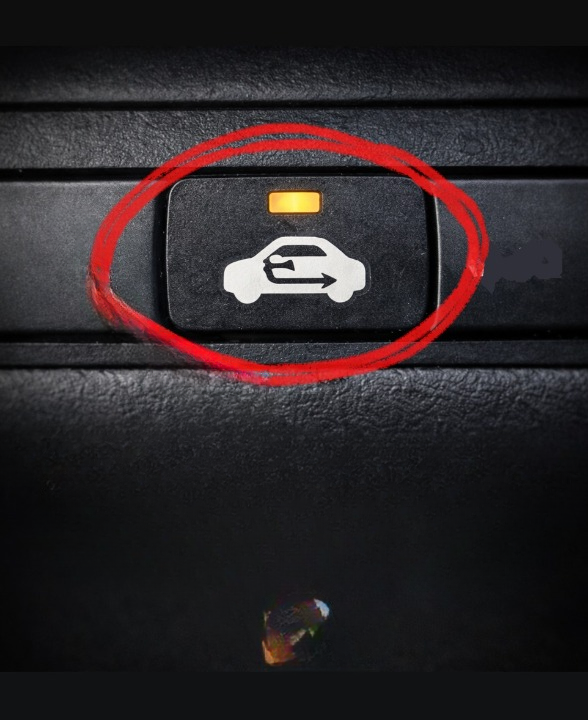
Many drivers notice a small button on their car’s climate control panel that shows a car icon with a curved arrow inside it. At first glance, it may not seem very important. However, that small symbol represents one of the most useful features in a vehicle’s ventilation system—the air recirculation function.
Although it’s present in most modern vehicles, many people are not entirely sure what the air recirculation button actually does or when it should be used. Some drivers leave it on all the time, while others avoid it completely because they believe it might reduce fresh air inside the car.
In reality, the air recirculation feature plays an important role in maintaining comfort, improving air quality in certain situations, and even helping your vehicle’s climate system work more efficiently.
In this guide, we’ll explore everything you need to know about this often-overlooked feature. We’ll look at how the system works, when it’s helpful, when it’s better to switch it off, and how using it properly can improve your driving experience.
What Is the Air Recirculation Button?
The air recirculation button is part of your car’s heating, ventilation, and air-conditioning system (HVAC). When activated, it changes how air moves through the cabin.
Normally, a car’s ventilation system pulls air from outside the vehicle. That air passes through the cabin filter and is then heated or cooled before entering the interior.
When you press the air recirculation button, the system stops pulling outside air and instead reuses the air already inside the vehicle.
In simple terms, it creates a closed loop where interior air continues to circulate through the climate system.
This feature can be extremely helpful in several everyday driving situations, especially when you want to control the air quality or temperature inside your vehicle more effectively.
How the Air Recirculation System Works
To understand why the air recirculation button is useful, it helps to know how your vehicle’s climate system operates.
Inside the dashboard, there are vents, ducts, and small mechanical doors known as blend doors. These components control where air comes from and where it goes.
When the system is set to fresh air mode, the blend door opens to allow outside air to enter the system. The air then passes through the cabin air filter before being heated or cooled.
When the system is switched to recirculation mode, that door closes off the outside air intake. Instead, air already inside the vehicle is drawn back through the vents, filtered again, and sent back into the cabin.
Because the system is recycling air that has already been cooled or warmed, it can often reach and maintain the desired temperature more easily.
Why the Air Recirculation Feature Exists
Vehicle manufacturers include this feature for several practical reasons.
The most common benefits include:
• Improved temperature control
• Reduced exposure to outside odors
• Protection from pollution and dust
• Increased climate system efficiency
• Reduced noise from outside air intake
Although it may seem like a small function, it can make a noticeable difference in how comfortable your car feels during a drive.
A Simple Way to Think About It
Imagine your car as a small room on wheels.
If the windows and doors are open, outside air constantly flows in. That’s similar to using the fresh air setting in your vehicle.
When the air recirculation feature is turned on, it’s like closing the windows and letting the air conditioner continue cooling the same air already inside the room.
Because the air is already partially cooled or warmed, the system doesn’t need to work as hard to maintain a comfortable temperature.
Benefits of Using Air Recirculation
1. Helps Maintain a Comfortable Temperature
One of the biggest advantages of air recirculation mode is temperature control.
If it’s extremely hot outside and your air conditioner is running, the system must cool down the warm air coming from outside. That can take longer and requires more energy.
When you activate recirculation mode, the system continues cooling air that has already been cooled once. This can help keep the cabin temperature steady and comfortable.
Similarly, during cold weather, recycling the warmer air inside the car can help maintain warmth.
2. Reduces Unpleasant Odors from Outside
Sometimes you may drive past a construction site, a smoky area, or heavy traffic where exhaust fumes are noticeable.
In these moments, activating the air recirculation feature can help limit the amount of outside air entering your vehicle.
By recirculating interior air instead, the system can help reduce the impact of unpleasant smells.
Many drivers use this feature when passing through tunnels, driving near industrial areas, or encountering strong outdoor odors.
3. Helps Limit Dust and Airborne Particles
Air recirculation can also be useful in dusty environments.
If you’re driving on a dirt road or through an area where dust is present, temporarily using the recirculation mode can help prevent outside particles from entering the cabin.
Your vehicle’s cabin air filter already helps remove many contaminants, but reducing the intake of outside air can offer an additional layer of protection.
4. Makes the Climate System Work More Efficiently
When the climate control system doesn’t need to constantly adjust outside air, it can operate more efficiently.
This may slightly reduce the workload on the air-conditioning compressor or heating system.
While the fuel savings are typically modest, improved efficiency can still contribute to smoother system performance over time.
5. Can Create a Quieter Cabin
Another subtle advantage of air recirculation mode is that it may reduce the amount of outside noise entering the ventilation system.
When outside air intake is minimized, less airflow noise may travel through the vents. In some cases, this can make the cabin feel a bit quieter and more comfortable.
Does Air Recirculation Cool the Car Faster?
This is one of the most common questions drivers ask.
Air recirculation itself does not directly produce cold air. That job belongs to your vehicle’s air-conditioning system.
However, recirculating already cooled air can help the cabin maintain cooler temperatures more easily.
When the system constantly draws hot outside air, it must work harder to cool it down. By recycling interior air, the cooling process can become more stable.
For this reason, many drivers activate recirculation mode after the air conditioner has already cooled the cabin.
When It’s Best to Use Air Recirculation
Although it’s useful, air recirculation mode is most effective in specific situations.
Some of the best times to use it include:
• Driving through areas with strong odors
• Traveling in dusty or polluted environments
• Maintaining a cool cabin during hot weather
• Keeping the interior temperature stable on long drives
• Passing through tunnels or heavy traffic
Using the feature strategically can help create a more pleasant environment inside the vehicle.
Situations Where Fresh Air Mode Is Better
While recirculation has many benefits, it isn’t always the best choice.
In some cases, switching back to fresh air mode is recommended.
1. During Long Drives
If air recirculation remains active for extended periods, the air inside the cabin can begin to feel stale.
Switching back to fresh air mode occasionally allows new air to enter the vehicle and keeps the interior environment comfortable.
2. When Windows Begin to Fog
Recirculation mode can sometimes contribute to window fogging, especially during cold or humid weather.
This happens because moisture inside the cabin continues to circulate instead of being replaced by drier outside air.
If you notice fog forming on the windows, switching to fresh air mode can help clear it more quickly.
3. When the Car Is Full of Passengers
When several people are inside a vehicle, fresh air circulation becomes more important.
Allowing outside air to enter helps maintain better airflow and keeps the cabin feeling fresh.
4. During Mild Weather
If the outdoor temperature is comfortable, using fresh air mode may actually feel more natural and pleasant than recirculating interior air.
In these conditions, the climate system may not need to work very hard at all.
Is Air Recirculation Safe?
Yes, the air recirculation function is safe to use.
Vehicle ventilation systems are designed to maintain airflow throughout the cabin. Even when recirculation mode is active, the system continues to move air through filters and vents.
However, it’s generally recommended to switch back to fresh air periodically during longer trips to maintain optimal cabin air quality.
How Modern Vehicles Use Recirculation Automatically
Many modern vehicles now include automatic climate control systems.
These systems monitor cabin temperature, humidity, and sometimes air quality. Based on this information, the car may automatically activate or deactivate the air recirculation feature.
For example:
• If the cabin temperature rises quickly, the system may switch to recirculation mode to cool it faster.
• If humidity increases, it may switch back to fresh air to prevent window fogging.
This automation helps ensure the most comfortable environment without requiring constant manual adjustments.
The Role of the Cabin Air Filter
Your vehicle’s cabin air filter works alongside the ventilation system to improve interior air quality.
The filter captures dust, pollen, and other airborne particles before the air enters the cabin.
When using air recirculation mode, the air passing through the system may still move through the filter again, helping remove additional contaminants.
Replacing the cabin air filter regularly helps ensure both fresh air and recirculated air remain clean.
Common Misconceptions About Air Recirculation
There are several myths about this feature that can confuse drivers.
Let’s clear up a few of the most common ones.
Myth 1: Recirculation Uses Up Oxygen
Some people believe that recirculating air might reduce oxygen levels inside the vehicle.
In reality, cars are not completely sealed environments. Air exchange still occurs naturally, and the ventilation system continues circulating air through the cabin.
Myth 2: It Should Always Be On
While recirculation is useful, leaving it on permanently isn’t ideal.
Fresh air circulation is still important for maintaining comfort and preventing stale air during long drives.
Myth 3: It Always Saves Fuel
Although recirculation can make climate control more efficient, the actual fuel savings are usually small.
Its primary purpose is comfort and air quality rather than significant fuel economy.
Practical Tips for Using Air Recirculation Effectively
Here are a few helpful habits drivers can follow:
• Use recirculation after your air conditioner has cooled the cabin.
• Switch to fresh air periodically on long drives.
• Turn it on briefly when passing through unpleasant odors.
• Avoid using it continuously in humid weather to prevent window fogging.
• Keep your cabin air filter clean for better air quality.
By using these simple tips, drivers can get the most benefit from their car’s ventilation system.
How Airflow Affects Driving Comfort
The comfort level inside a vehicle depends heavily on airflow.
Proper ventilation helps regulate temperature, reduce humidity, and maintain air freshness.
The air recirculation feature plays an important role in balancing these factors.
When used correctly, it can create a more stable interior environment that feels comfortable for both short commutes and longer trips.
Why Many Drivers Overlook This Feature
Despite its usefulness, the air recirculation button is often ignored.
There are a few reasons for this:
• The symbol may not be immediately recognizable.
• Some drivers assume the climate system manages airflow automatically.
• Others simply forget the feature exists.
However, learning when to use it can make driving noticeably more comfortable.
A Small Button with a Big Impact
Although it’s just one button among many in your vehicle’s dashboard controls, the air recirculation function can significantly affect your driving experience.
It helps maintain comfortable temperatures, reduces outside odors, and allows the climate system to operate more efficiently in certain situations.
Like many vehicle features, the key is understanding when to use it.
Final Thoughts
Your car’s air recirculation button may seem like a minor control, but it serves an important purpose in maintaining comfort and managing airflow inside the cabin.
By recycling interior air instead of continuously pulling air from outside, the system can help maintain temperature, limit unpleasant odors, and support more efficient climate control.
However, balance is important. Switching between recirculation mode and fresh air mode ensures that the interior environment remains comfortable and well-ventilated.
The next time you notice that small circular arrow symbol on your dashboard, you’ll know exactly what it does—and how to use it wisely to make every drive more enjoyable.
Understanding your vehicle’s features, even the simple ones, can make a noticeable difference in your overall driving experience.