The holiday season is often associated with celebration, travel, family gatherings, shopping, and a long list of responsibilities. While this time of year can be joyful, it is also one of the most stressful periods for many people. In the middle of everything, self-care routines are often disrupted or completely forgotten.
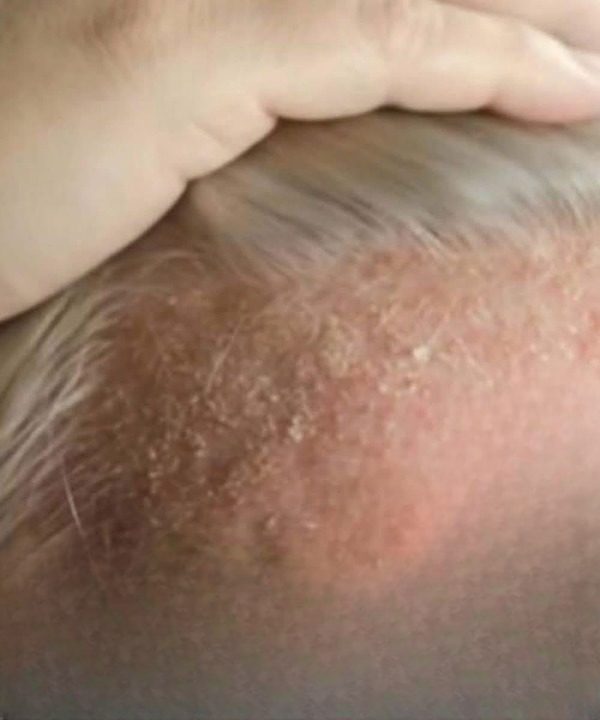
As a result, some individuals suddenly notice uncomfortable scalp changes such as redness, itching, dryness, or visible flakes. These symptoms can appear unexpectedly, even in people who have never experienced scalp issues before.
Although consulting a medical professional is always the most reliable step, holiday schedules can make it difficult to get immediate appointments. In the meantime, understanding possible causes, safe care practices, and warning signs can help manage discomfort and prevent worsening symptoms.
This guide explores common reasons behind scalp irritation and provides practical, gentle approaches for temporary relief.
1. Why Scalp Irritation Can Appear Suddenly
Scalp problems often seem to develop out of nowhere, but they are usually triggered by a combination of environmental and lifestyle factors. During the holiday season, several changes can contribute to irritation.
Cold weather combined with indoor heating can significantly reduce moisture levels in the skin, including the scalp. This dryness can lead to itching and flaking. At the same time, emotional stress from travel arrangements, financial pressure, or social obligations may increase skin sensitivity.
In addition, many people experiment with new hair products or styling routines for holiday events. Hair dyes, shampoos, gels, and sprays may contain ingredients that the scalp is not used to, potentially leading to irritation or allergic reactions.
Changes in sleep patterns, diet, and hydration levels can also weaken the skin’s natural barrier. When these factors combine, scalp sensitivity can become more noticeable.
2. Seborrheic Dermatitis: A Common Underlying Cause
One of the most common conditions associated with a red, flaky, and itchy scalp is seborrheic dermatitis. This condition affects a significant portion of the population and is linked to an overgrowth of a naturally occurring yeast on the skin.
Symptoms often include:
- Red patches on the scalp
- Oily or greasy flakes that appear white or yellowish
- Itching and irritation
- Occasional spreading to areas such as the eyebrows, behind the ears, or around the nose
Flare-ups are commonly triggered by stress, cold weather, hormonal changes, or weakened immune response. While not dangerous, the condition can be persistent and uncomfortable if not managed properly.
3. Differentiating Seborrheic Dermatitis From Dandruff
Many people confuse seborrheic dermatitis with dandruff because both conditions involve flaking of the scalp. However, there are important differences.
Dandruff is typically a milder condition. It usually presents as small, dry white flakes without significant redness or inflammation. It may cause mild itching but is often manageable with basic anti-dandruff shampoos.
Seborrheic dermatitis, on the other hand, tends to be more severe. It involves noticeable redness, larger or oilier flakes, and stronger itching. Because of its inflammatory nature, it may require medicated treatments rather than standard cosmetic shampoos.
Understanding the difference helps determine when simple care is sufficient and when medical treatment may be needed.
4. Scalp Psoriasis: A Chronic Skin Condition
Another possible cause of scalp irritation is psoriasis, a chronic immune-related condition. Scalp psoriasis can sometimes resemble seborrheic dermatitis, but it has distinct characteristics.
Psoriasis typically causes:
- Thick, raised patches of skin
- Silvery-white scales
- Clearly defined borders of affected areas
- Extension beyond the hairline in some cases
Unlike temporary irritation, psoriasis is long-term and may also appear on other parts of the body, such as elbows, knees, or lower back.
Because it is linked to immune system activity, treatment often requires prescription medication and ongoing management from a healthcare professional.
5. Eczema and Sensitive Scalp Conditions
Eczema, also known as atopic dermatitis, can also affect the scalp. It is strongly associated with dry, sensitive skin and can cause intense itching along with redness and flaking.
Unlike seborrheic dermatitis, eczema is often more related to skin dryness and sensitivity rather than oil production. The itching can sometimes be severe enough to disrupt sleep or daily comfort.
Eczema flare-ups may be triggered by allergens, harsh hair products, stress, or environmental changes. Managing it often involves gentle skincare routines and avoiding known irritants.
6. Fungal Infections: Scalp Ringworm
A condition known medically as tinea capitis, commonly referred to as scalp ringworm, is another possible cause of scalp irritation. Despite its name, it is not caused by worms but by a fungal infection.
Symptoms may include:
- Itchy, red, and scaly patches
- Areas of hair thinning or hair loss
- Inflamed or sensitive spots on the scalp
Although more common in children, adults can also be affected. It spreads through direct contact or by sharing personal items such as combs, hats, or pillowcases.
Fortunately, antifungal medications are highly effective when used correctly and consistently.
7. Reactions to Hair Care Products
Hair care products are another frequent cause of scalp irritation. Shampoos, conditioners, dyes, and styling products often contain chemicals such as fragrances, preservatives, sulfates, or alcohol-based ingredients.
For individuals with sensitive skin, these substances may trigger allergic reactions or irritation.
If symptoms appear shortly after using a new product, it is advisable to stop using it immediately. Switching to fragrance-free, hypoallergenic, or gentle formulations can help reduce discomfort and allow the scalp to recover.
8. The Influence of Stress, Weather, and Hormonal Changes
External and internal factors often play a significant role in scalp health. Stress, in particular, can increase inflammation in the body, making existing skin conditions worse or triggering new symptoms.
Weather changes, especially cold and dry conditions, can strip natural oils from the scalp, leading to dryness and irritation. Indoor heating can further reduce humidity levels, worsening the problem.
Hormonal fluctuations caused by pregnancy, menopause, or thyroid conditions may also affect scalp balance. These changes can alter oil production and skin sensitivity, making flare-ups more likely.
Managing stress, maintaining hydration, and protecting the scalp from harsh environments can help reduce these effects.
9. Caution With Social Media “Scalp Remedies”
In recent years, social media platforms have popularized various home remedies and “quick fixes” for scalp problems. Ingredients such as apple cider vinegar, coconut oil, or aloe vera are often recommended.
While some of these ingredients may provide mild relief for certain individuals, they are not universally effective. In some cases, improper use can worsen irritation or cause additional sensitivity.
It is important to approach such remedies cautiously, test them on a small area first, and avoid aggressive DIY treatments without proper guidance.
10. Common Over-the-Counter Shampoo Ingredients
Medicated shampoos can often help manage mild to moderate scalp conditions. Some commonly used active ingredients include:
- Ketoconazole: Helps control fungal overgrowth
- Selenium sulfide: Reduces flaking and irritation
- Zinc pyrithione: Targets yeast and inflammation
- Coal tar: Slows skin cell buildup
- Salicylic acid: Helps remove dead skin and flakes
Consistent use is often necessary, and visible improvement may take several weeks.
11. Gentle Scalp Care Practices
While waiting for professional advice, gentle care can help reduce discomfort and prevent worsening symptoms.
Helpful practices include:
- Washing hair regularly with mild or medicated shampoos
- Avoiding scratching to prevent further irritation or infection
- Using soothing, non-irritating products when needed
- Staying hydrated and maintaining a balanced diet
These steps support scalp recovery and help maintain overall skin health.
12. When Medical Attention Is Necessary
Although many scalp conditions are manageable at home, certain symptoms require prompt medical evaluation. These include:
- Severe pain or swelling
- Pus-filled sores or signs of infection
- Rapid worsening of symptoms
- Noticeable or sudden hair loss
Such signs may indicate a more serious condition that requires professional treatment.
Final Thoughts
A red, itchy, or flaky scalp can be both uncomfortable and distracting, especially during busy and stressful holiday periods. While the causes can vary—from dryness and product reactions to chronic skin conditions—most issues can be managed effectively with proper care and attention.
Understanding the possible triggers, practicing gentle scalp maintenance, and recognizing when to seek medical help can make a significant difference in comfort and recovery.
Ultimately, maintaining scalp health is not just about treating symptoms, but also about supporting the skin’s natural balance through consistent, mindful care—even during the busiest times of the year.