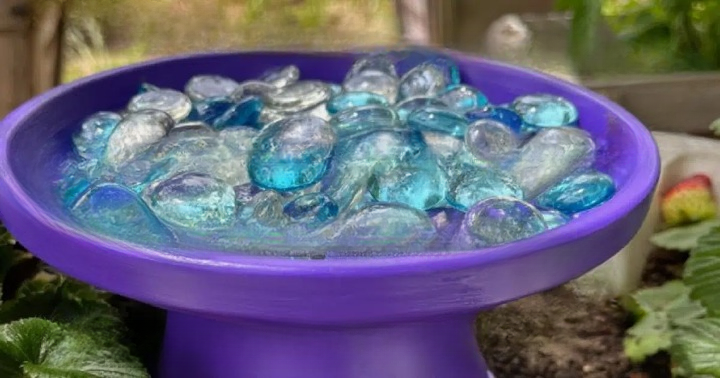
Spending time in a garden can make you notice small details that might otherwise go unnoticed in everyday life. The hum of insects moving from flower to flower, the quiet flutter of butterflies in the air, and the occasional buzz of a hardworking bee are all signs that your garden is alive with activity.
Many people plant flowers specifically to attract pollinators, especially bees. Bright blossoms and nectar-rich plants bring these tiny visitors into our yards, where they play an essential role in the natural ecosystem. Yet while gardeners often focus on providing pollen and nectar through flowering plants, there is another need that pollinators have—one that is easy to overlook.
Like all living creatures, bees also need water.
During warm months, when the sun is strong and the ground becomes dry, natural water sources can disappear quickly. Small puddles evaporate, shallow streams dry up, and even areas of damp soil may not remain wet for long. In these conditions, bees sometimes struggle to find safe places where they can stop and drink.
That’s where a simple and creative idea comes in: a bee watering station made with marbles.
At first, the concept may sound unusual. A bowl filled with colorful marbles sitting in the garden doesn’t immediately seem like something that would benefit insects. But once you understand how it works, it becomes clear that this tiny project can make a meaningful difference for pollinators visiting your outdoor space.
Best of all, it is incredibly easy to build, inexpensive to assemble, and surprisingly beautiful when placed among plants and flowers.
Creating a bee watering station is one of those small gardening projects that offers both practical benefits and a sense of connection to the natural world around us.
Why Bees Need Access to Water
When people think about bees, they usually think about flowers, nectar, and honey. These connections are important, but water is another vital resource that bees rely on every day.
Bees collect water for several reasons.
First, they drink it themselves to stay hydrated, especially during hot weather. Like other insects, bees can become dehydrated when temperatures rise and humidity levels drop.
Second, worker bees carry water back to their colonies. Inside the hive, the water helps regulate temperature. Bees use it to cool the hive during warm periods by spreading droplets and creating airflow with their wings. This natural cooling system helps maintain a stable environment for developing larvae.
Water also helps bees dilute stored honey and process certain food sources.
Despite its importance, safe water sources are not always easy for bees to find.
Large bodies of water such as ponds, fountains, or birdbaths may look inviting from a distance, but they can actually be dangerous. Bees are not strong swimmers. If they land on a smooth water surface without anything to hold onto, they can quickly become trapped.
For this reason, bees naturally look for shallow water sources where they can land safely while drinking.
Damp soil, tiny puddles, and droplets resting on leaves often serve this purpose in nature.
However, during dry seasons these natural options may disappear.
A simple watering station can provide the safe access bees need.
Understanding the Bee Watering Station Concept
A bee watering station with marbles is a small dish filled partially with water and lined with smooth objects—typically marbles—that give bees a place to land.
Instead of facing a wide open surface of water, bees can rest on the marbles while reaching down to drink.
This small change makes the water source far safer and easier for them to use.
The marbles function like tiny stepping stones.
They create stable surfaces above the water line, allowing bees to perch comfortably while sipping water between visits to nearby flowers.
It’s a surprisingly elegant solution.
The design requires only a few simple items:
-
A shallow bowl or dish
-
A collection of marbles or small stones
-
Clean water
Once assembled, the station becomes a miniature hydration spot for pollinators visiting your garden.
And because marbles come in many colors and styles, the station can also become a decorative feature among plants and flower beds.
Why Marbles Work So Well
You might wonder why marbles are often recommended for this project instead of simply filling a bowl with water.
The answer is safety.
Bees need a surface they can grip. Smooth water alone offers no place to stand.
Marbles provide raised points that break the water’s surface. Bees can land on them and drink without falling into the water.
The curved shapes also allow small pockets of water to collect between the marbles, creating tiny drinking spots that are easy for insects to access.
Another benefit is durability. Marbles do not absorb water, break down in sunlight, or degrade over time. Once placed in the bowl, they can remain there season after season.
While marbles are a popular option, other materials can also work, including:
-
Small stones
-
Decorative glass pebbles
-
Clean gravel
-
Shell fragments
The key requirement is that the objects create safe landing areas above the water line.
A Garden Project Anyone Can Do
One of the best aspects of creating a bee watering station is its simplicity.
You do not need advanced gardening skills, tools, or special equipment.
Most households already have at least one dish or bowl that could be repurposed for the project. Many people even enjoy finding creative containers, such as:
-
Old ceramic bowls
-
Unused plant saucers
-
Decorative plates
-
Small garden trays
Adding marbles transforms an ordinary dish into a functional and attractive garden accessory.
This project is also inexpensive. A bag of marbles from a local craft store or discount shop usually costs very little, yet it provides enough material to create several watering stations.
For families with children, assembling the station can even become a fun activity.
Kids often enjoy arranging colorful marbles into patterns or designs before adding water.
It becomes both a craft project and an opportunity to learn about nature.
Step-by-Step Guide to Making Your Own Bee Watering Station
Creating a bee watering station takes only a few minutes. Follow these simple steps to set up one in your garden.
Step 1: Choose a Suitable Container
Select a shallow dish that is wide enough for insects to access easily.
A deep container can make it difficult for bees to reach the water safely, so a shallow bowl is ideal.
Look for something sturdy that can remain outdoors without tipping over easily.
Step 2: Add Marbles or Stones
Fill the dish with marbles until they cover the bottom in a single layer.
If you want a decorative effect, you can arrange them in patterns or mix different colors together.
The marbles should sit closely enough together to create many small landing surfaces.
Step 3: Add Water Carefully
Pour water slowly into the bowl.
The goal is to fill the dish just enough so that the water reaches the tops of the marbles without completely submerging them.
This allows bees to land safely while accessing small pools of water between the marbles.
Step 4: Place the Station in the Garden
Set the watering station in a sunny area near flowering plants.
Pollinators already visiting your flowers will quickly discover the water source.
Placing the station close to their natural activity areas makes it easier for them to find.
Where to Place a Bee Watering Station
Location plays an important role in the success of a watering station.
Bees tend to follow efficient foraging routes. They move between flowers, plants, and nearby resources without wandering too far away.
For this reason, it’s best to place the station close to the areas where bees are already active.
Some ideal spots include:
-
Near flower beds
-
Along garden paths
-
Beside vegetable plants that attract pollinators
-
Close to herbs like lavender or rosemary
The station should also be placed on stable ground where it will not tip over easily.
Flat stones or patio surfaces work well for this purpose.
What Happens After You Set It Up
One of the most exciting parts of creating a bee watering station is watching pollinators discover it.
Sometimes it may take a little time before insects begin using the station.
But in many cases, bees locate it surprisingly quickly.
Pollinators are very skilled at identifying useful resources in their environment.
Once a bee finds the water source, it may return repeatedly or even signal other bees in the colony.
Over time, the station may attract not only bees but other beneficial garden visitors as well.
Other Insects That May Visit
Although the station is designed with bees in mind, many other insects also benefit from shallow water sources.
You may notice visitors such as:
-
Butterflies
-
Ladybugs
-
Hoverflies
-
Dragonflies
These insects all play valuable roles in garden ecosystems.
Butterflies contribute to pollination, while ladybugs and hoverflies help control pests like aphids.
Providing water encourages a diverse range of helpful insects to spend time in your garden.
Maintaining the Watering Station
Once installed, a bee watering station requires very little maintenance.
However, there are a few simple tasks that help keep it effective.
Refill the Water
Water may evaporate quickly during warm weather, so check the station periodically and refill it when necessary.
This can easily be done while watering plants.
Keep It Clean
Occasionally rinse the dish and marbles to prevent algae buildup.
Clean water is always better for visiting insects.
Monitor Seasonal Changes
During colder months when pollinators are less active, you may choose to store the station indoors.
This prevents freezing and protects the container from winter damage.
The Joy of Small Garden Projects
Sometimes the most rewarding gardening projects are the smallest ones.
A bee watering station does not require hours of work or expensive supplies.
Yet it offers a quiet sense of satisfaction.
Knowing that tiny visitors can stop for a drink while moving through your garden adds another layer of connection to the natural world.
Many gardeners find themselves pausing to watch bees land gently on the marbles and drink before flying off again.
These moments remind us that even simple actions can support the environment around us.
Supporting Pollinators in Everyday Spaces
Pollinators play an essential role in ecosystems worldwide.
Many plants depend on insects like bees to transfer pollen and allow fruits, vegetables, and seeds to develop.
Without pollinators, many familiar foods would become far less abundant.
While large-scale conservation efforts are important, individual actions in home gardens can also make a difference.
Planting nectar-rich flowers, reducing chemical pesticide use, and providing water are all helpful ways to support pollinator populations.
A bee watering station may be small, but it contributes to a network of resources that help insects thrive.
Turning Your Garden Into a Pollinator-Friendly Space
Once you’ve created a watering station, you might feel inspired to add more pollinator-friendly elements to your garden.
Some simple ideas include:
-
Planting a variety of flowering plants that bloom at different times of year
-
Growing native plants that local pollinators recognize
-
Providing small areas of natural habitat such as logs or stones
These features encourage biodiversity and create a welcoming environment for many beneficial insects.
A Conversation Starter in the Neighborhood
Interestingly, bee watering stations often attract attention from people as well.
Visitors walking through your garden might notice the colorful marbles and wonder what the dish is for.
This creates a great opportunity to talk about pollinators and share the idea with others.
Many gardeners discover that neighbors and friends become interested in building their own stations after seeing one in action.
Before long, several yards in the same area might provide safe water sources for local pollinators.
A Simple Way to Connect With Nature
Gardening is about more than growing plants.
It is also about building relationships with the living world that surrounds us.
Watching bees move between flowers, listening to the hum of insects on warm afternoons, and creating spaces where wildlife can thrive brings a sense of calm and appreciation.
A bee watering station with marbles represents one small step toward that connection.
It takes only minutes to assemble, yet it provides lasting benefits for pollinators visiting your garden.
And sometimes, the simplest ideas are the ones that make the biggest difference.